Detroit Historic Ballroom Weddings
Some rooms make you gasp the second you walk in. A Detroit historic ballroom is one of those rooms. We’re talking hand-painted ceilings, marble staircases, and chandeliers older than your grandparents. You don’t need to decorate much when the walls already do the work. So let’s take a tour of the city’s grand old halls — the Art Deco stunners and the Gilded-Age showpieces — and talk about how to throw a party that lives up to them.
In this article
Why a historic ballroom hits different
A blank-slate loft is a fine canvas, but you have to build the whole vibe yourself. A historic hall hands you the vibe on a silver platter. The moment guests step inside, they feel it — the ceiling height, the old-world detail, the sense that something important is about to happen. That’s a feeling you simply can’t rent from a tent company.
Here’s the trade-off, though. These rooms come with rules. Old buildings have quirks — tricky acoustics, protected surfaces you can’t touch, and sound curfews that keep the neighbors happy. None of that is a dealbreaker. It just means your DJ needs to plan around the building, not fight it.
That’s the whole reason I’m writing this. I’ve played enough of these rooms to know that the magic and the headaches live side by side. Get the plan right, and a Detroit historic ballroom becomes the best party your family has ever seen. Wing it, and those beautiful high ceilings turn your first dance into an echo chamber.
There’s a bonus, too: these venues photograph like a dream. A century of craftsmanship gives your photographer backdrops that a modern banquet hall simply can’t fake — gilded ceilings, dramatic staircases, windows two stories tall. When you pair that setting with warm light and a floor that stays packed, you end up with the kind of album your kids will flip through years from now. That’s the payoff for planning around the building’s quirks instead of ignoring them.
The Art Deco showstoppers
Detroit was booming in the 1920s, and the architecture from that era still floors people today. If you love clean geometric lines, gold leaf, and that Great Gatsby energy, the Deco rooms are your lane.
The Colony Club downtown is a classic example — a 1920s ballroom with soaring windows and that unmistakable jazz-age glamour. The Gem Theatre and its Century Club bring rich reds, ornate trim, and a theatrical feel that makes every entrance cinematic. And the restored Westin Book Cadillac gives you a landmark hotel ballroom with all the polish a black-tie crowd expects.
What ties these rooms together is drama. The architecture wants a grand entrance, a spotlight moment, a room that glows. So when I plan a Deco wedding, I lean into that. Bigger reveals, warmer light, a soundtrack that moves from cocktail-hour cool to a floor-packing finish. The room is already dressed up — your night should match its energy.
The Gilded-Age grand halls
If Deco is sleek, the Gilded-Age venues are lush. These are the mansions and clubs built when Detroit’s industry money wanted to show off — think carved wood, sweeping staircases, and stained glass that stops you in your tracks.
The Whitney on Woodward is the poster child here: a 1890s lumber-baron mansion turned wedding venue, all fireplaces and grand rooms. Places like this were made for intimate, storybook celebrations rather than 400-person blowouts. The rooms are smaller and more layered, which changes how a DJ works the night.
In a mansion-style venue, I right-size everything. Compact speakers tucked where they disappear, lower volume that fills the room without rattling the antiques, and a plan for guests spread across several rooms instead of one big floor. The goal is warmth, not wattage. A grand staircase practically begs for a dramatic first-look or a big descending entrance, and I’ll build the music cue right around that moment.
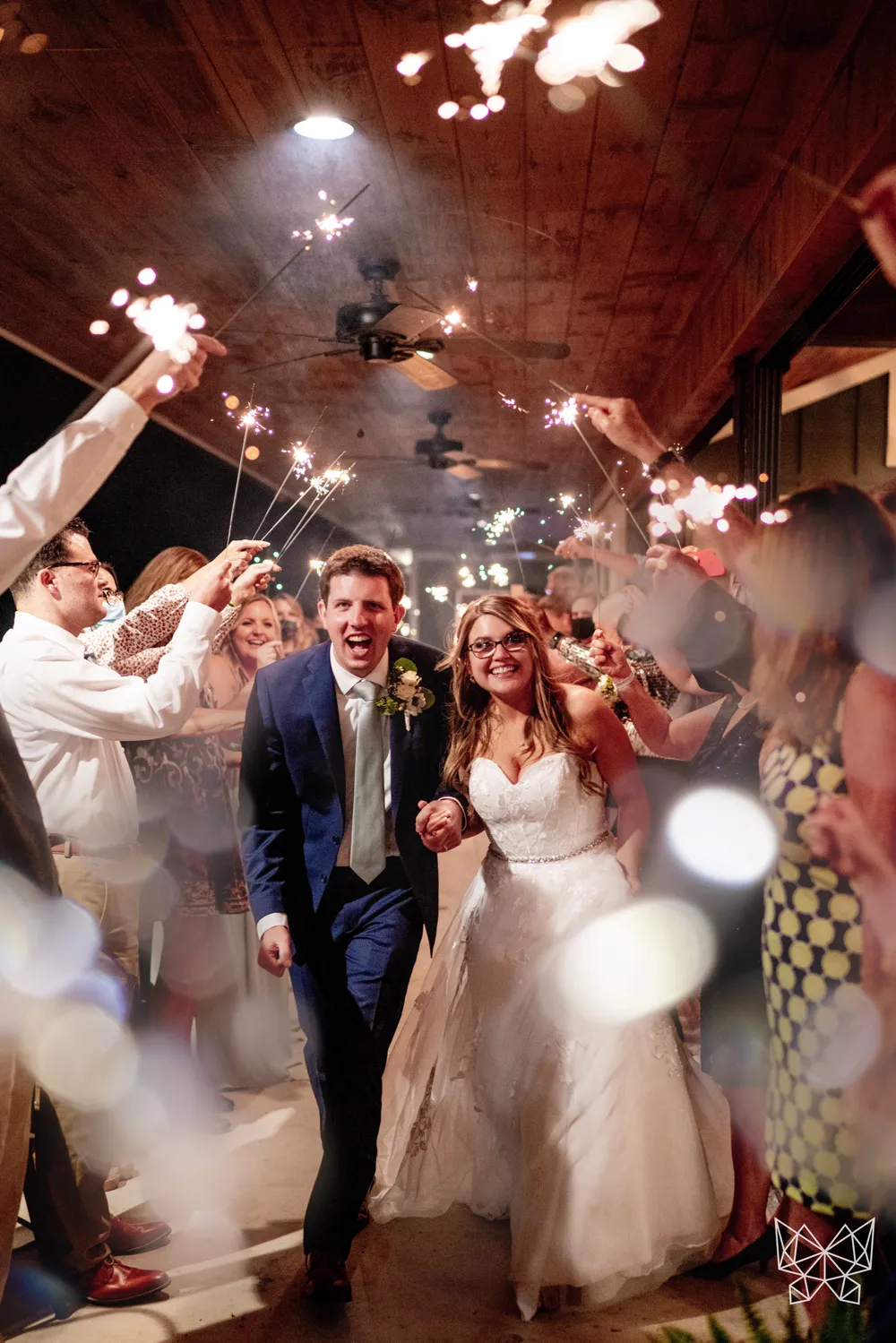
The room already has a hundred years of stories in it. My job is to make sure your night becomes the one people talk about next.
Sound in a room built a century ago
Here’s what a lot of couples miss: old ballrooms were designed for live orchestras and speeches, not modern subwoofers. Those gorgeous hard surfaces — marble, plaster, glass — bounce sound everywhere. Crank the volume like it’s a nightclub, and you get a muddy roar instead of a crisp beat.
The fix is smart placement and honest volume. I aim the speakers at the dance floor and the crowd, not at the bare walls, so the energy stays where the people are. I also show up early to tune the system to the actual room, because an empty marble hall sounds nothing like the same hall packed with 150 guests in their finest.
Toasts get special care in these spaces. A heartfelt speech that echoes into mush is a real letdown, and according to The Knot’s reception planning guide, audio during speeches is where a lot of receptions stumble. So I bring tested wireless mics and backups, and I keep speech volume dialed in separately from the dance-floor mix.
Key takeaway: Historic ballrooms reward control, not raw power. Aim sound at the crowd, tune the system to a full room, and treat toasts as their own careful mix — and those beautiful acoustics work for you instead of against you.
Lighting that flatters old architecture
This is my favorite part. A historic room is basically begging for good lighting, and uplighting is the easiest upgrade you can make. Wash those tall walls and archways in warm amber, and the whole space turns golden. Go with a deep romantic hue, and the carved details pop like a movie set.
The trick in an old building is subtlety. You’re not trying to hide the architecture — you’re highlighting it. So I keep fixtures wireless and battery-powered, place them to graze the columns and moldings, and pick colors that flatter the room’s existing tones. A little amber on a marble column does more for your photos than a truckload of extra decor ever could.
One heads-up: many historic venues protect their surfaces, so you can’t screw anything into a wall or hang gear from that priceless ceiling. Wireless fixtures solve that completely. They sit on the floor, run for hours, and leave the building exactly as we found it. Everybody wins.
Color choice matters more than you’d think, too. A soft blush suits a romantic mansion, while a bolder jewel tone can make a big Deco hall feel like a movie premiere. We’ll match the palette to your flowers and your dress before your date, so the whole room reads as one deliberate look instead of a random rainbow. It’s a small planning step that pays off in every single reception photo.
Curfews, load-in, and the fine print
Now the unglamorous stuff that quietly makes or breaks the night. Older downtown venues often sit near residential blocks, which means real sound curfews — sometimes the music has to wind down earlier than you’d expect. Knowing that number ahead of time lets us build a timeline that peaks before the cutoff, so you never get cut off mid-party.
Load-in is its own puzzle. Historic buildings weren’t designed for gear carts. Freight elevators can be small or slow, staircases might be the only path, and parking downtown is its own adventure. I scout all of that before your date, arrive with plenty of margin, and stage the setup so it’s done long before your first guest arrives.
Then there’s coordination with the venue and caterer. These rooms run on tight schedules, and dinner service, the couple’s entrance, and the band-or-DJ handoff all have to line up. I sync with the venue team early so nothing gets improvised on your night. If you want to see how I map the whole day from ceremony to send-off, my breakdown of how we run your day walks through every piece in order.
Backup gear rides with me every time, too. A spare speaker, extra mics, a second music source — because “the sound cut out” is not a story anyone wants from their wedding. In a landmark building where you can’t just run to a hardware store mid-reception, that redundancy is the quiet insurance that keeps your night on track. You’ll also find more wedding tips on the blog anytime you feel like planning ahead.
Booking a DJ who knows these rooms
You can hire any DJ with a good speaker. But a century-old ballroom asks for someone who’s actually worked spaces like it — someone who already knows the acoustics, the curfews, and the load-in quirks before they ever pull up.
That’s the difference I bring. Over a decade behind the decks in Metro Detroit, a 5.0 Google rating, and real nights in the city’s grand old rooms mean I’m not learning your venue on your dime. I plan with you, read the floor live, and treat the building’s rules as part of the art, not an obstacle.
And because I only take one wedding a day, your night gets my full focus — never a rushed setup squeezed between two other gigs. If you want the full picture of how I run a celebration in the city, our Detroit wedding guide walks through every piece, and you can always meet your DJ before you commit. These landmark rooms book up fast, so if you have a date in mind, let’s check it while it’s still open.