Corporate Event Timeline: A Run-of-Show Guide
Great company parties don’t happen by luck — they run on a plan. A clear corporate event timeline is the difference between a night that flows and one that stalls out during a mystery ten-minute gap while everyone stares at their phones. The good news? A solid run-of-show isn’t complicated. It’s just a minute-by-minute map of who does what, when, so nobody’s guessing on the night. Below is the exact framework I use to keep galas, holiday parties, and awards nights moving from arrival to last song.
In this article
What a run-of-show actually is
Let’s clear up the term first. A run-of-show is simply a detailed schedule for your event — every segment, its start time, its length, and who’s responsible. Think of it as the script behind the scenes. Guests never see it, but they feel it when it’s missing.
A good corporate event timeline answers three questions for every moment: what’s happening, who’s leading it, and what the room should be hearing. When those answers exist on paper, your caterer, your speakers, and your DJ all move in sync. When they don’t, you get the classic stall — the CEO’s ready to speak but the mic’s not on, or dinner’s cleared and nobody knows what’s next.
Here’s the mindset shift: a run-of-show isn’t about being rigid. It’s about being ready. We plan it tight so that when something shifts on the night — and something always does — we can adjust without the whole evening wobbling.
The five blocks of a corporate night
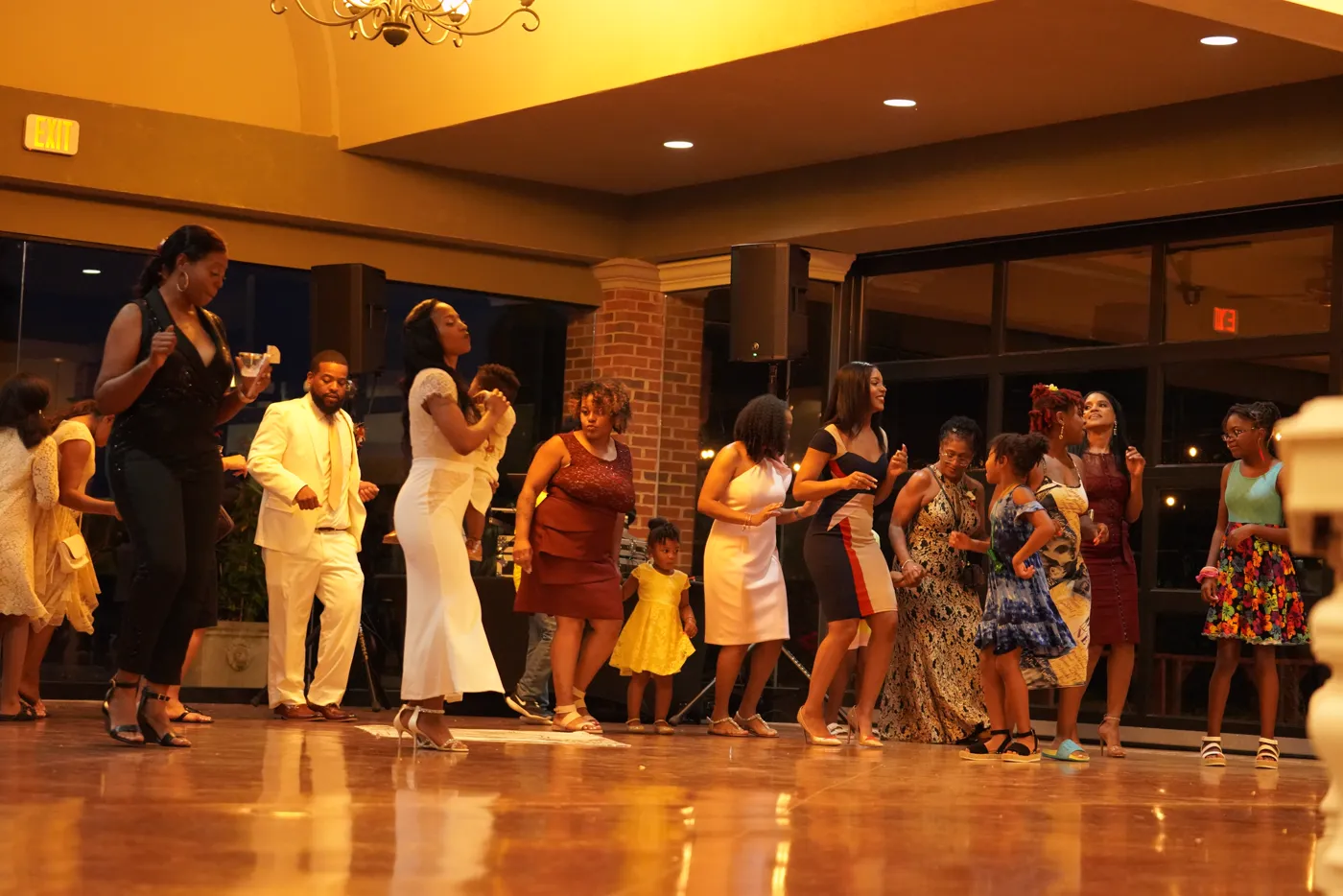
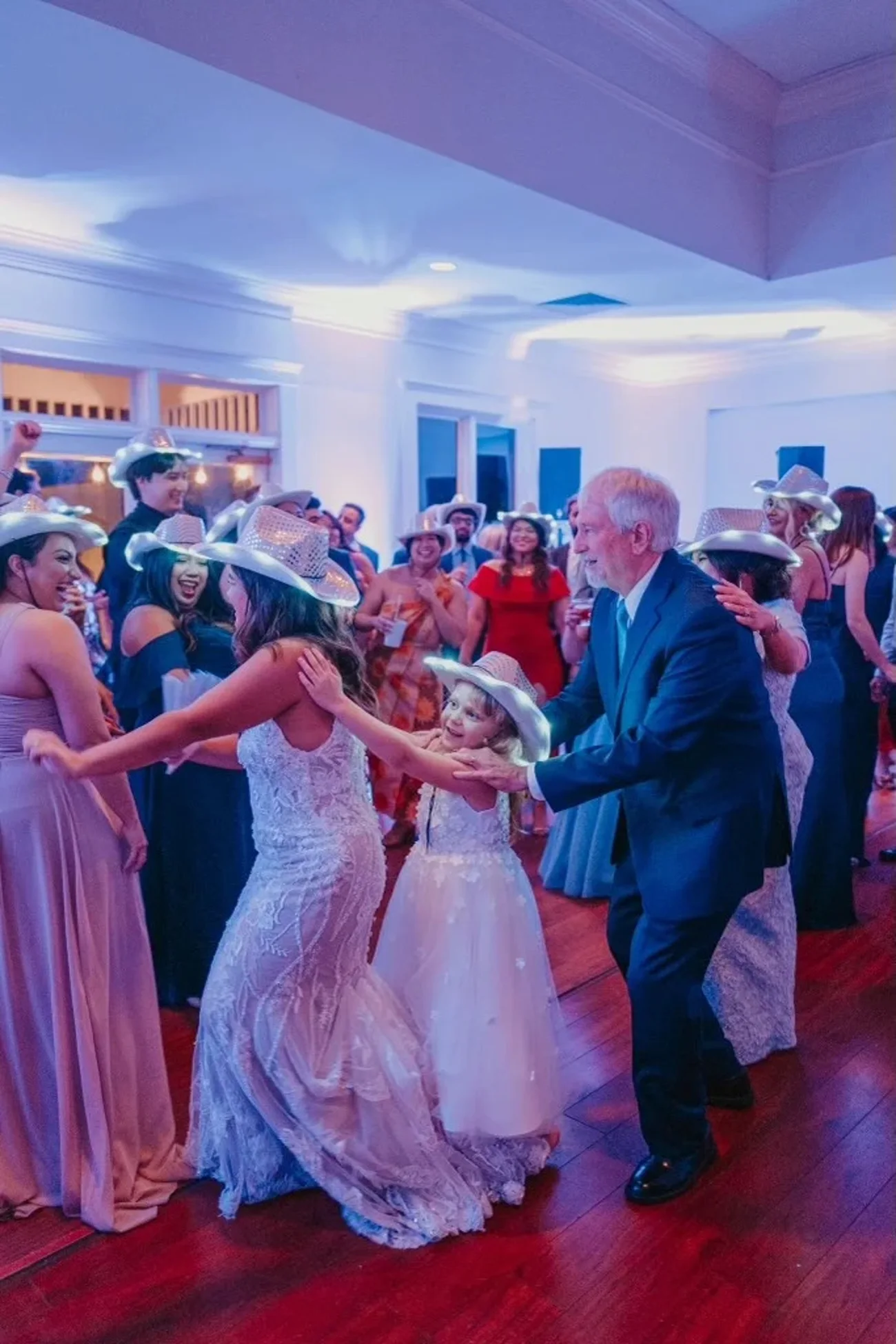
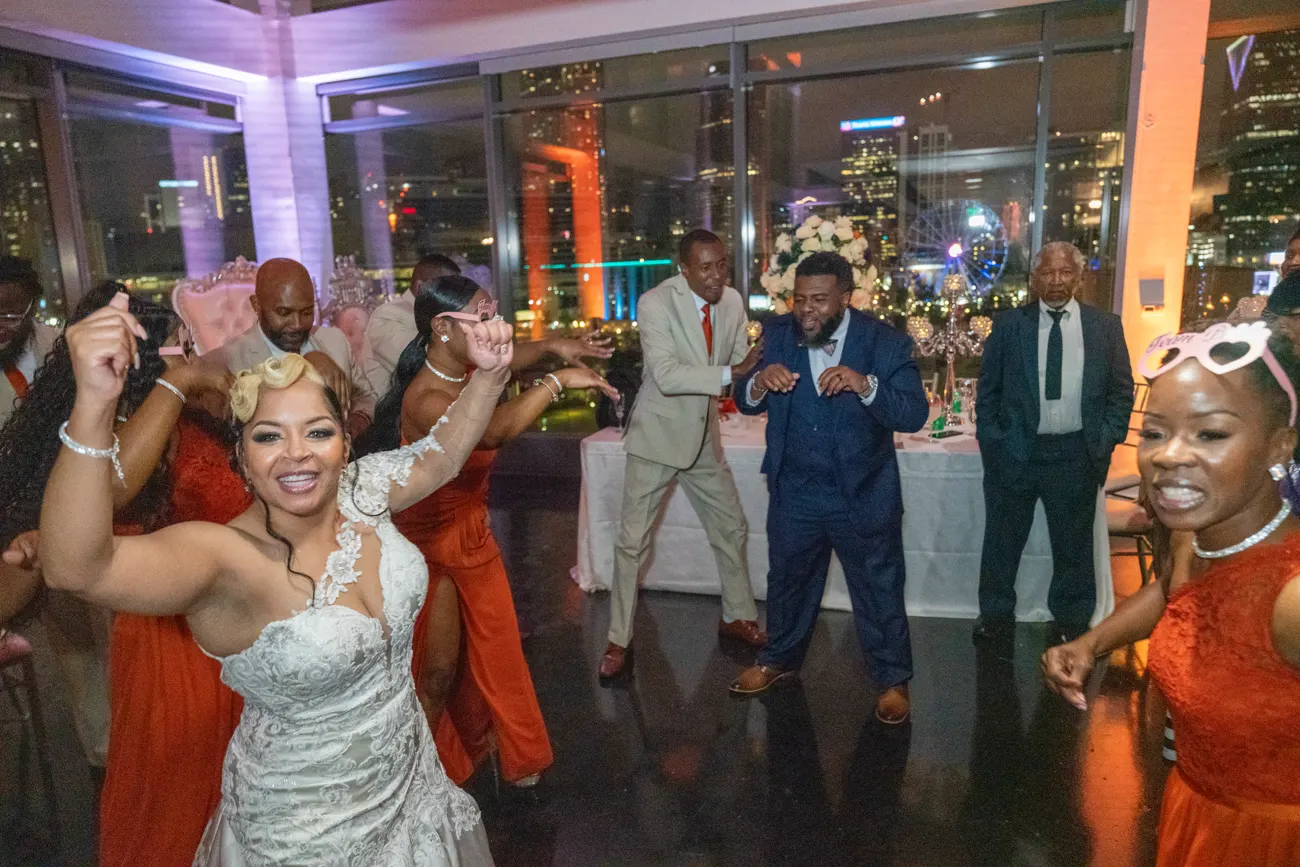
Almost every corporate event breaks into five blocks. Once you see them, planning gets a lot easier. First, arrival and reception — guests trickle in, grab a drink, and mingle. Second, seating and welcome — you gather the room and kick things off. Third, the program — dinner, speeches, awards, whatever the night is built around. Fourth, the transition — the bridge from formal to fun. Fifth, open floor — dancing, networking, and the loose energy people remember.
Each block has a job, and the music should match it. Arrival wants low and social. The program wants clean mics and quiet underscore. The transition is where a skilled DJ earns their fee, lifting the room from “sitting and listening” to “up and celebrating” without an awkward jolt. Name your five blocks and you’re already halfway to a timeline.
A minute-by-minute sample timeline
Here’s a sample run-of-show for a 6:00 p.m. corporate dinner and party. Adjust the clock to your event, but the shape holds up well.
6:00 — Doors and reception. Guests arrive to light background music. Bar open, no announcements yet. 6:45 — Call to seats. The emcee warmly invites everyone to find a table; music lifts slightly to move people. 7:00 — Welcome. A short opening from leadership, two minutes tops. 7:05 — Dinner. Warm, easy music, volume low so tables can talk. 7:50 — Program. Awards, recognition, or the keynote — mics tested, music ducked. 8:20 — The transition. A few familiar crowd-pleasers to shift the mood. 8:30 — Open floor. Dancing and mingling until close. 10:45 — Last song and send-off.
Notice the rhythm: nothing formal runs longer than about 20 minutes, and the party gets the biggest block. That’s on purpose. People forgive a short speech; they never forgive a long one. For more of how I structure company events end to end, our corporate events service walks through the full setup.
Guests forgive a short speech and never forgive a long one. Protect your open-floor block like it’s the whole point — because to your team, it is.
Killing the dead air between segments
Here’s what a lot of planners miss: the danger isn’t the segments themselves — it’s the seams between them. The stretch after dinner clears but before the program starts. The pause when a speaker walks up and fumbles with a mic. Each gap is a little energy leak, and enough of them can drain a room by nine.
The fix is coverage. Every transition on my run-of-show has a plan for what the room hears and who’s talking. When the awards wrap, music comes up instantly — no silence, no “uh, what now.” When a presenter approaches, their mic is already live and tested. Those seconds sound small, but stitched together they’re the difference between a night that hums and one that keeps hitting speed bumps.
Key takeaway: Build your timeline in five blocks, keep every formal segment under 20 minutes, and plan the seams between segments as carefully as the segments themselves. Dead air is the silent killer of corporate events — a run-of-show plus a sharp emcee erases it.
Why the emcee makes or breaks it
A timeline on paper is only half the job. Someone has to drive it live, and that’s the emcee. A good host reads the room, keeps the schedule moving, and does it all without sounding like a robot calling out agenda items. When a speech runs long, the emcee gently reels it back. When energy dips, the emcee knows to skip ahead to the fun.
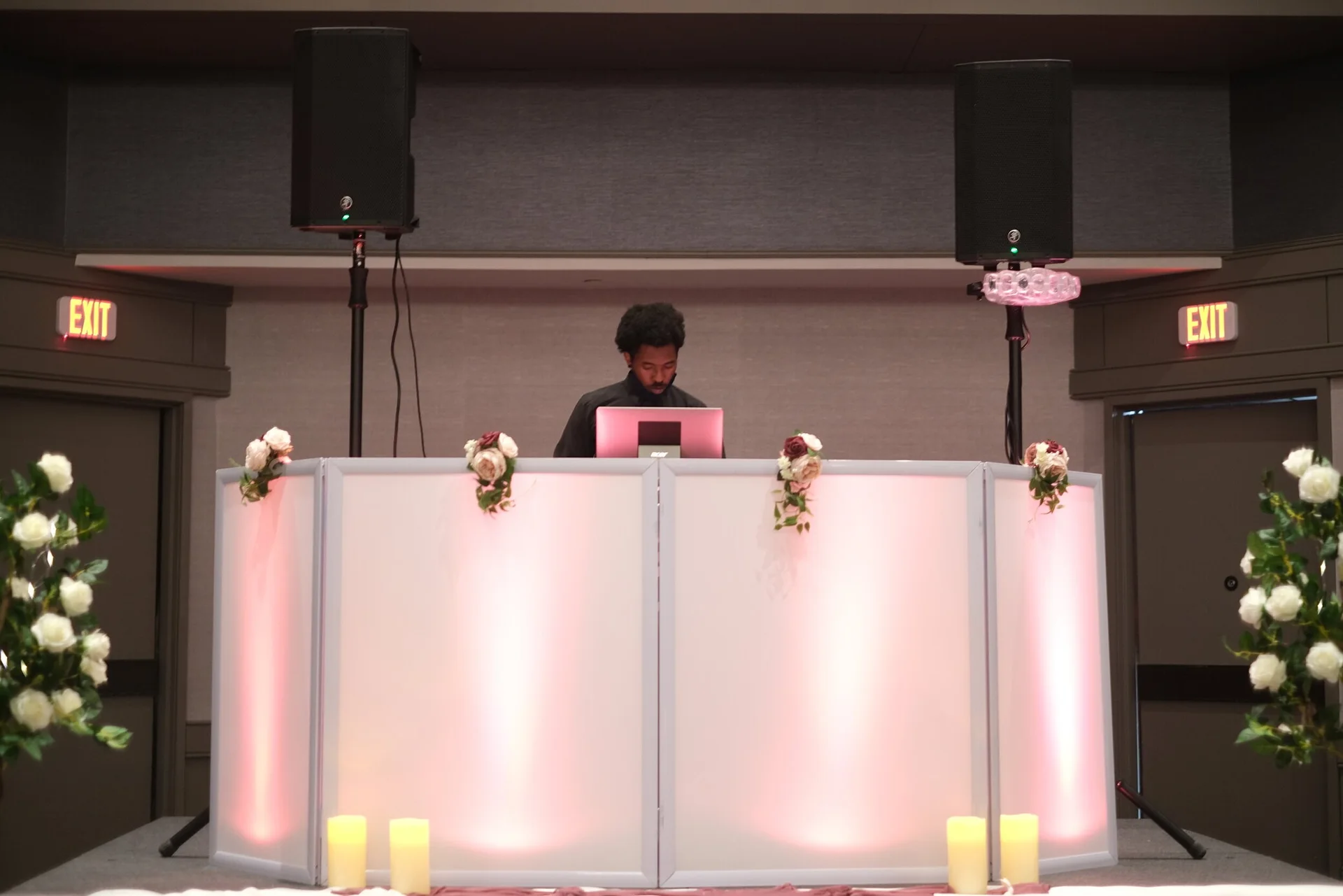
This is where hiring a DJ who also emcees pays off. I’m watching the clock and the crowd at the same time, adjusting on the fly. If dinner runs 15 minutes late — and it often does — I quietly compress the transition so we still hit the dance block with full energy. Guests never see the scramble. They just feel a smooth, confident night. According to Eventbrite’s event planning resources, a strong host and a clear schedule are two of the biggest predictors of an event guests rate highly.
Planning it at a Rochester Hills venue
Rochester Hills has some polished spaces for corporate nights, and the venue shapes your timeline. A property like the Royal Park Hotel on Main Street can host a full reception, dinner, and dance in one flow — but the room flip between dinner and dancing needs to be built into your schedule, not improvised.
So I coordinate with the venue’s team before your date on the details that make or break timing: when the bar opens, how long a room reset takes, where the load-in is, and any sound curfew later in the night. Those logistics feed straight into the run-of-show, so on the day, everyone’s already reading from the same page. If you want a wider look at planning events in the area, my Rochester Hills event guide covers more ground.
A quick local tip: if your venue has a hard end time, work backward from it. Set your last song, then build the night in reverse so the party peaks with plenty of runway. Timelines are much easier to trust when they’re anchored to a real finish.
Your pre-event checklist
Before the day arrives, lock down five things and you’ll be in great shape. First, confirm your five blocks and their times. Second, name who’s speaking and cap each one. Third, list your must-play and do-not-play music. Fourth, test every microphone during setup, not during the toast. Fifth, share the run-of-show with your DJ, caterer, and venue so nobody’s surprised.
Do that, and the night mostly runs itself — which is exactly the point. You should be enjoying your own event, not chasing a schedule around the room. For more planning help, browse our other event tips anytime, or meet your DJ before you book.
A great corporate event timeline is really just a promise to your guests: your time matters, and we’ve got the night handled. Build it in five blocks, protect the party, and let a pro drive it live. If you’ve got a Rochester Hills event on the calendar, let’s map your run-of-show together while the date’s still open.