Background Music vs Dance Party: Which Fits?
Here’s a question I get from planners all the time: should the night be soft background music or a full-on dance party? It’s a great question, and the honest answer is that it depends on your people and your goal. Pick the wrong vibe and you either bore a crowd that came to cut loose, or you blast a room that wanted to talk shop. Pick the right one and the whole event just works. Let’s sort out which fits your corporate event — and how a smart DJ can give you both in one night.
In this article
The real question behind the vibe
Before we pick a lane, let’s name what you’re really deciding. It isn’t just “loud or quiet.” You’re deciding what you want people to do. Do you want them talking, networking, and hearing a few speeches? Or do you want them loose, laughing, and packing a dance floor by nine?
Those are two different events, and the music has to match. When companies tell me the party “felt off,” it’s almost never the food or the room. It’s that the sound didn’t fit the mission. A leadership dinner that turns into a club is awkward. A young sales team’s holiday bash that stays at dinner-jazz all night is a letdown. So the first move is simple: decide the goal, then let the vibe follow.
Good news — you don’t have to guess forever. Most corporate events fall into a handful of clear buckets, and each one has a sweet spot. Let’s walk through them so you can spot yours fast.
When background music is the right call
Sometimes the smartest choice really is background music. If your event centers on conversation — a networking mixer, a client-appreciation dinner, an awards program with speeches — then the music’s whole job is to warm the room without stealing it. People should be able to talk across a table without shouting. That’s the tell.
For these nights, I keep the volume in that “you feel it more than you hear it” zone. Think smooth, upbeat instrumentals, a little jazz, some soulful throwbacks played low. It fills the silence, softens the clink of glasses, and makes a half-full room feel alive instead of empty. And when a speaker steps up, I duck the music clean so every word lands.
Research backs the instinct, too. Event pros widely agree that moderate, pleasant background audio helps people relax and connect, while sound that’s too loud shuts conversation down — Eventbrite’s event planning resources stress reading the room’s purpose before setting the volume. So if the goal is faces talking to faces, quieter is the power move. It isn’t boring — it’s precise.
One more perk: an ambient night is flexible. If the energy naturally builds and a few folks want to dance later, we can lift the tempo without whiplash. Starting soft leaves room to grow. Starting loud gives you nowhere to go but down.
When you actually want a dance party
Now for the fun end of the spectrum. Some events are built to blow off steam — the holiday party, the big sales-goal celebration, the summer bash, the reunion of a team that grinds all year. For these, background music is a trap. Your crowd came to let loose, and a polite playlist will leave them checking their phones by 8:30.
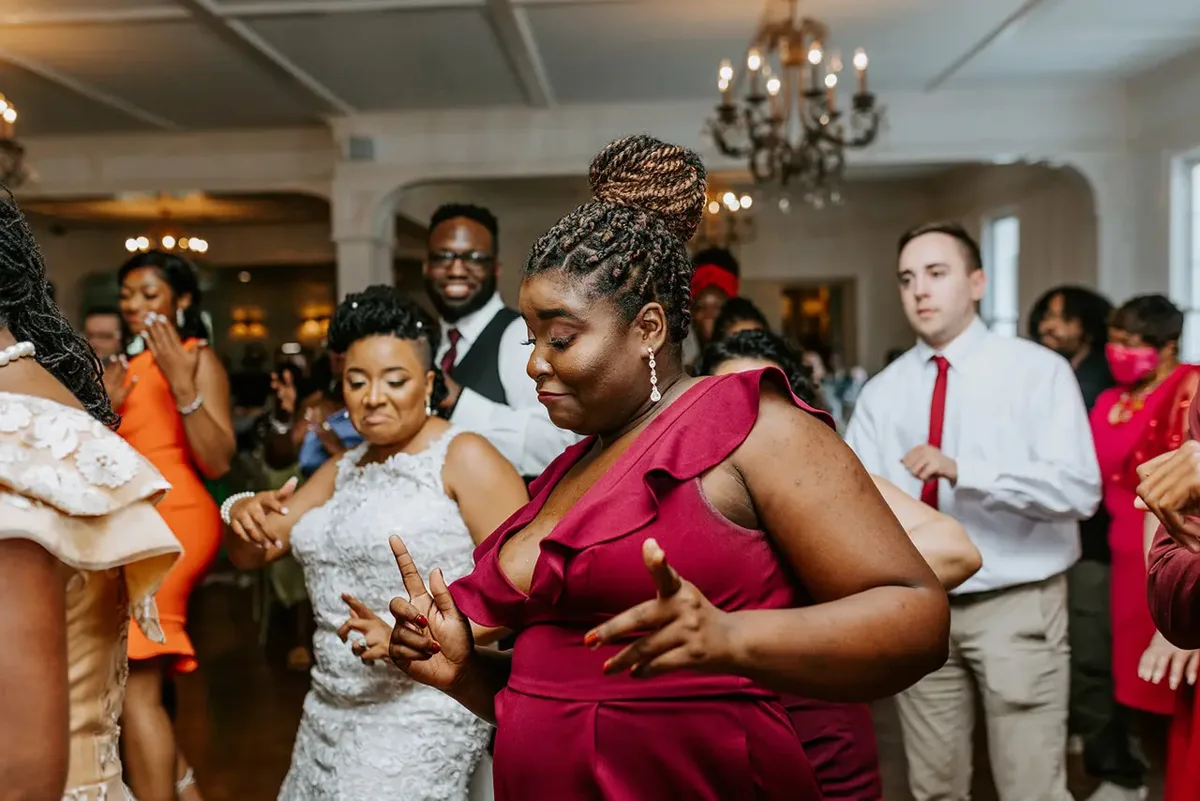
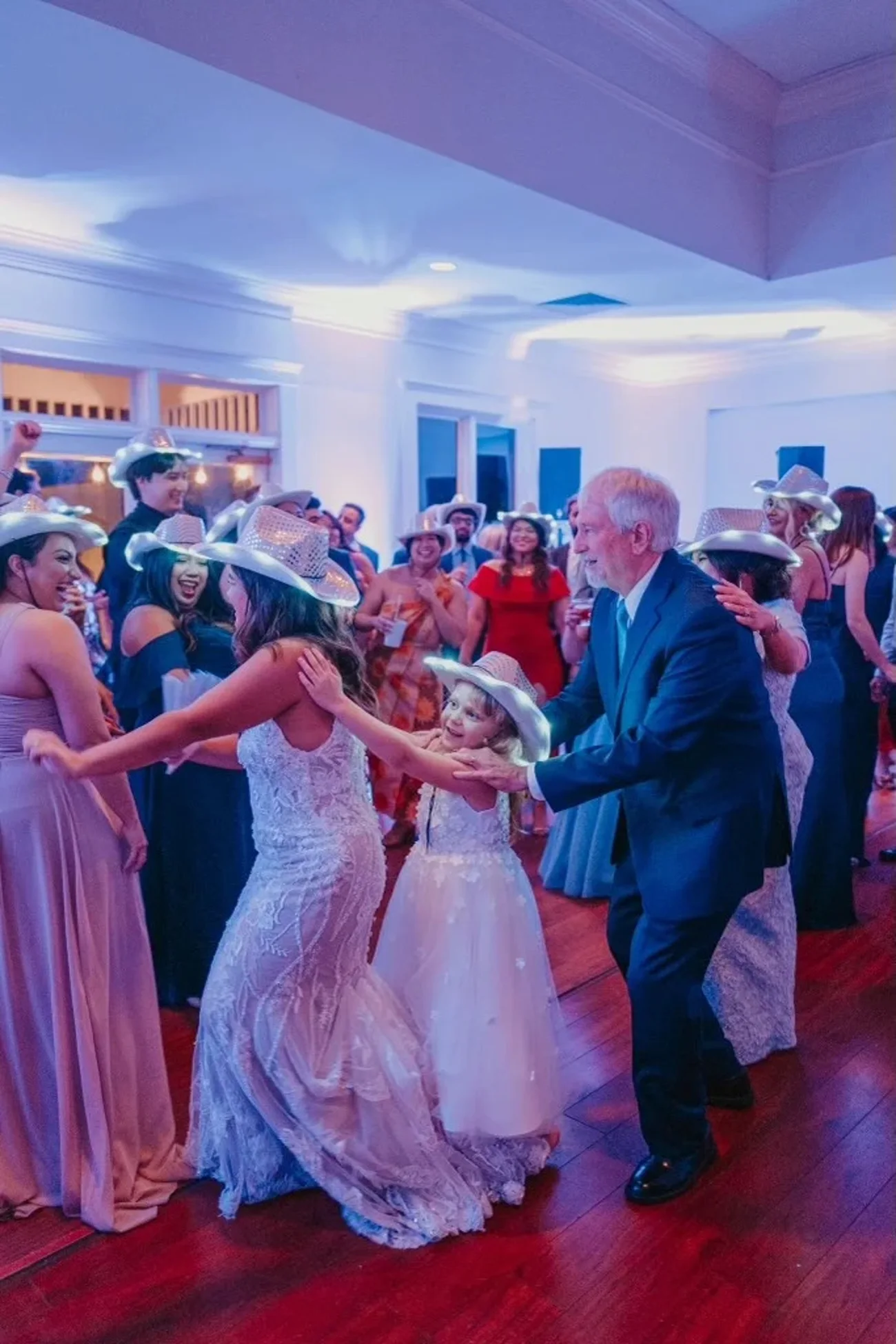
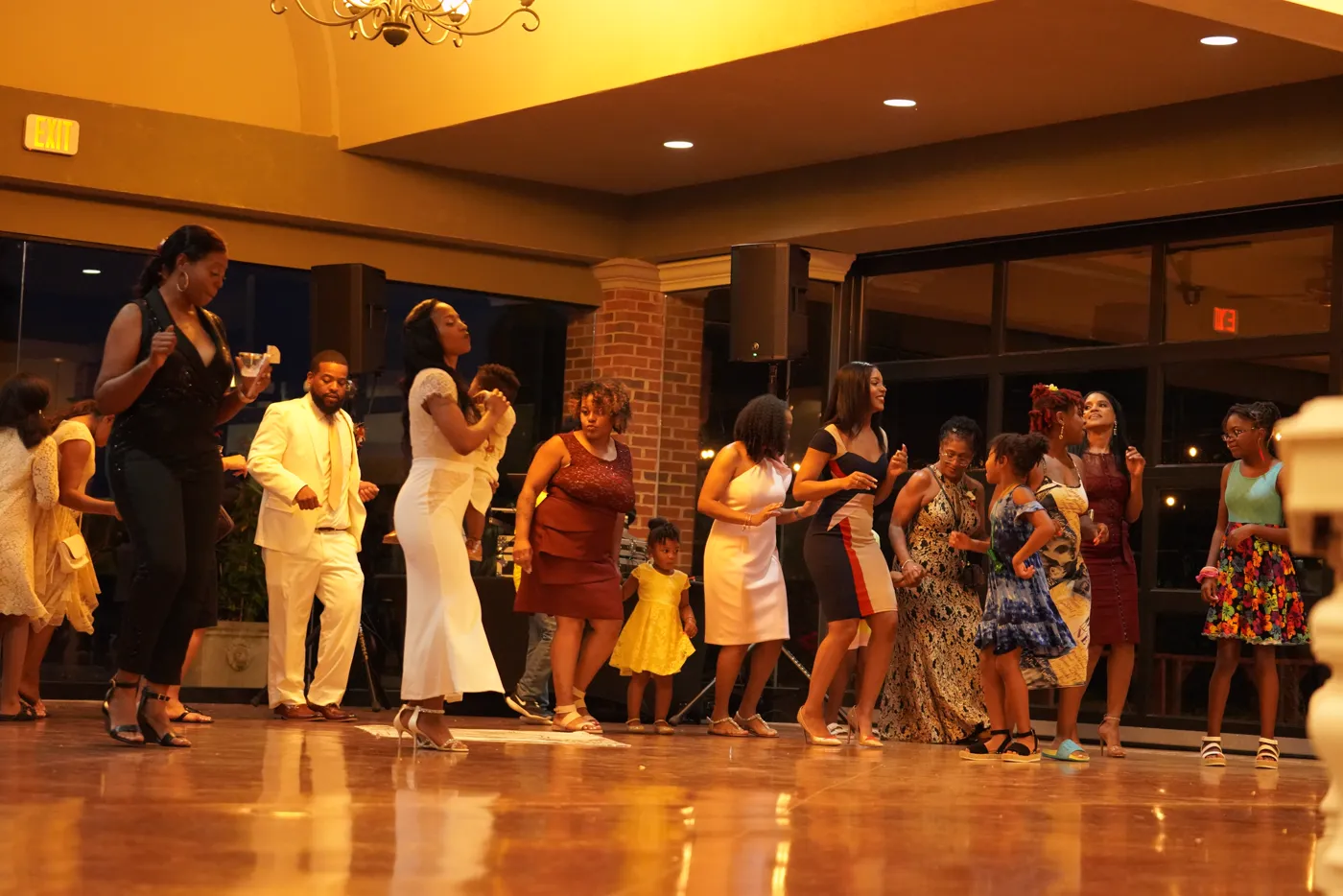
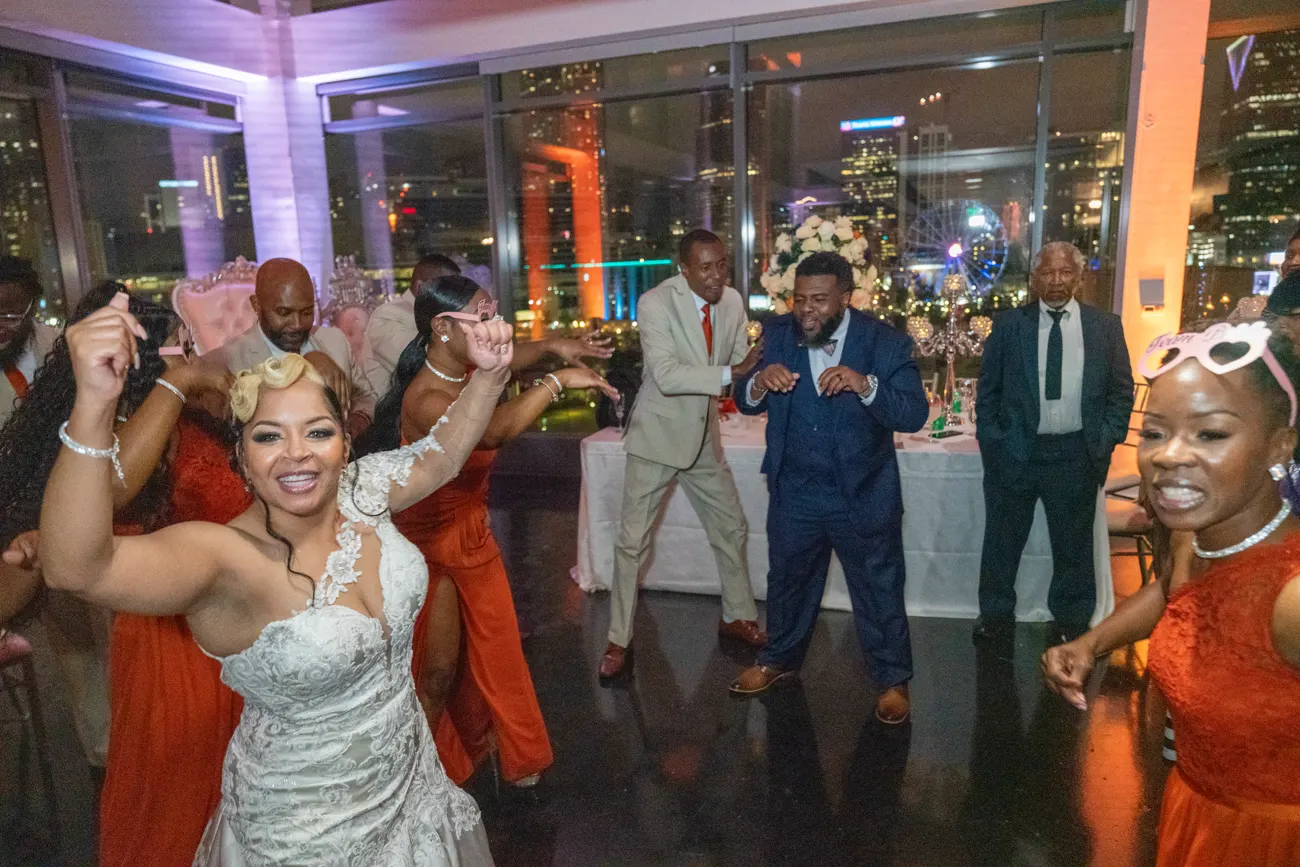
When a dance party is the goal, I build the night to peak. We open easy, feed people, hit the program, and then I turn the room into a floor. That means reading the crowd’s era — Motown and disco for one company, hip-hop and pop for another, a mix of both for most — and stacking songs so nobody wants to sit down. A packed floor at a work party does something powerful: it makes people like each other. That’s culture you can’t buy with a memo.
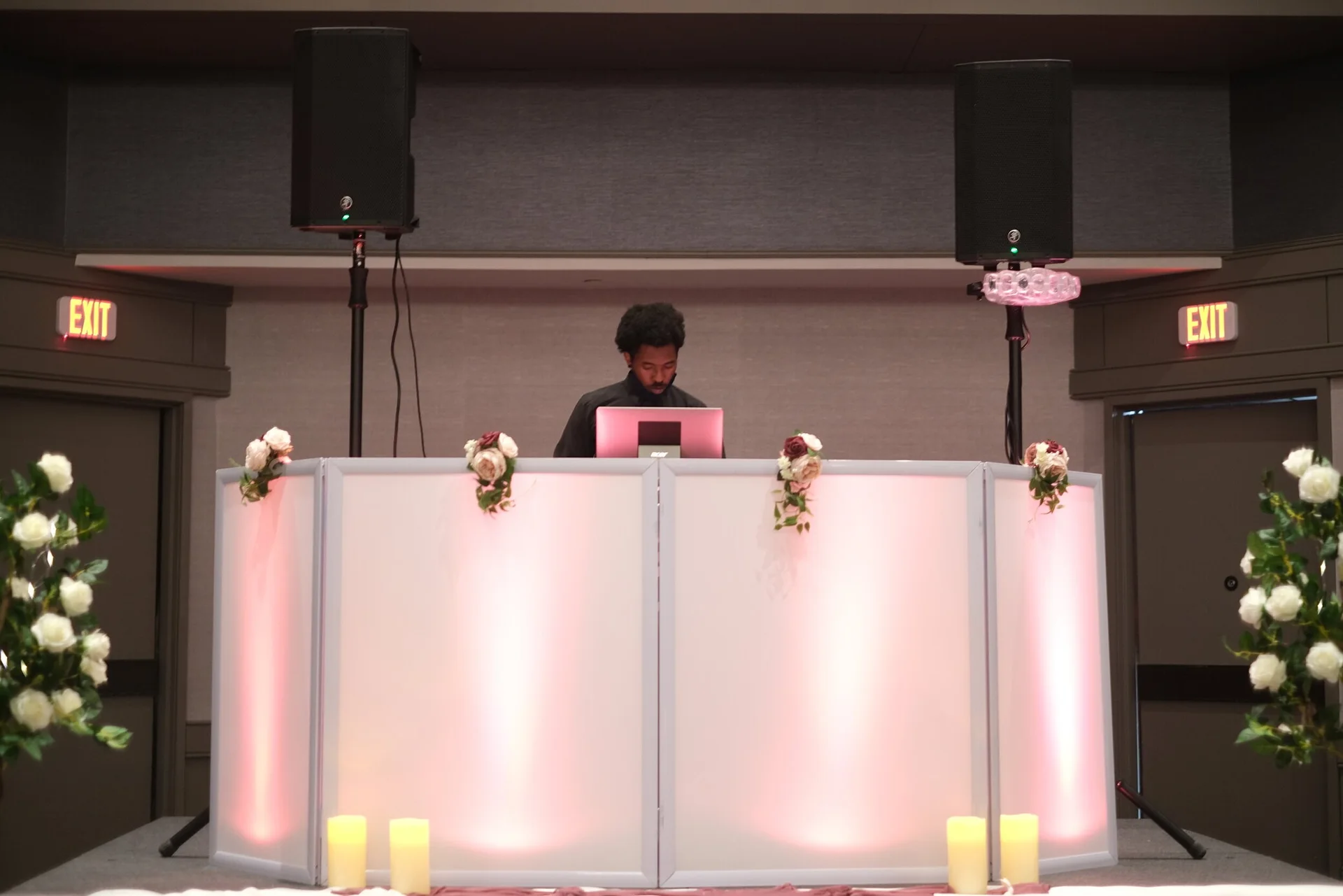
The catch is that a real dance party needs a real DJ, not a laptop on shuffle. Someone has to watch the floor, catch the dip in energy, and drop the song that pulls everyone back. That live read is the entire difference between “we had music” and “that party was legendary.”
A packed dance floor at a company party isn’t just fun — it’s the cheapest team-building you’ll ever run. People who dance together text each other on Monday.
How a DJ reads a corporate room
Here’s what a lot of planners miss: the best answer usually isn’t “pick one and lock it.” It’s hiring someone who can read the room live and steer. A corporate crowd shifts all night. Cocktail hour wants low and social. Dinner wants warm and easy. After the awards, the mood tips — and a good DJ feels that tip and moves with it.
I watch for the little signals. Are people leaning in to talk, or glancing toward an open space? Is the C-suite still in the room, or did they head out after the toast? Are shoes coming off? Each of those tells me whether to hold the vibe or lift it. A locked playlist can’t see any of that. A DJ watching your people can.
This is also where knowing the client matters. A law firm’s partner dinner and a startup’s launch party are not the same animal, even in the same ballroom. I ask about your team before the date so I show up with the right instincts, not a generic set. If you want the full rundown of how I handle company events, our corporate event service page lays it out.
Key takeaway: Don’t force a single vibe on the whole night. Match the music to the moment — low and social early, higher energy once the program ends — and hire a DJ who can read the room and move between the two on the fly.
The best of both: an ambient-to-dance arc
Most of my favorite corporate nights use both modes in one smooth arc. You don’t have to choose forever — you choose the order. Start with background music while guests arrive and eat. Keep it social through the speeches. Then, once the formal stuff wraps, gradually raise the tempo until the floor fills on its own.
The trick is the ramp. If you jump from soft jazz straight to a club banger, the room freezes and folks feel put on the spot. So I build a bridge — a few familiar, mid-tempo crowd-pleasers that get toes tapping before anyone commits. By the time the real dance songs hit, people are already up and it feels like their idea. That’s the goal: a floor that fills because the room wanted it, not because someone announced it.
This arc also protects your program. Nobody’s straining to hear the CEO over a bass line, and nobody’s stuck in dinner mode when they’re ready to party. One night, two moods, zero awkward gaps.
Planning it at a Grosse Pointe venue
Grosse Pointe throws a lot of polished corporate events, and the room you pick shapes the answer to our whole question. A grand space like The War Memorial on Lake Shore Road can hold both a dignified reception and a genuine dance party — but only if the sound is planned for both. Big rooms with hard surfaces can turn a fun volume into an echoey mess if you don’t tune the system to the space.
So I set up early and dial coverage in before guests arrive. Background music needs even, gentle fill so every table hears it the same. A dance set needs punch on the floor without rattling the far corners where people are still talking. Same room, two different setups — and knowing the venue ahead of time is exactly why local experience earns its keep. For a broader look at planning events around here, my Grosse Pointe entertainment guide digs into the details.
Curfews and neighbors matter, too. Some Grosse Pointe venues have sound limits later in the night, so if a dance party is the plan, we schedule the peak while you’ve still got the volume to deliver it. Little logistics like that are the difference between a night that soars and one that fizzles at the wrong moment.
How to brief your DJ so it lands
Whatever you choose, the outcome comes down to the brief. Tell your DJ three things and you’re most of the way there. First, the goal — networking, celebration, or a mix. Second, your crowd — average age, industry, how buttoned-up or loose they run. Third, the non-negotiables — the must-plays, the hard no’s, and any songs tied to your brand or awards.
From there, a pro handles the rest live. I’ll bring the wireless mics for your speakers, keep the transitions clean, and watch the room so the energy always fits the moment. You get to enjoy your own event instead of babysitting a playlist. For more planning help, browse our other event tips anytime, or meet your DJ before you book.
So — background music or dance party? The best answer is usually “both, in the right order, read live.” Tell me your goal and your crowd, and I’ll build a night that fits. Grosse Pointe dates fill up fast in gala and holiday season, so if you’ve got one in mind, let’s talk while it’s still open.