Community Festival Entertainment Ideas
A good festival brings a whole town out to the same park for an afternoon — and a great one gives them a dozen reasons to stay all day. The secret is smart community festival programming: entertainment spread across the space and the schedule so there’s always something happening, no matter your age. The mistake most planning committees make is booking one big act and hoping it carries the day. Instead, you want layers of fun. Here are entertainment ideas that draw a crowd, keep families lingering, and turn a simple gathering in Clarkston into the event people circle on the calendar.
In this article
What makes a festival actually work
Let’s start with the big idea. A community festival lives or dies on variety. One stage, one act, one thing to do — and people wander off after an hour. But give them layers of fun happening at once, and they’ll settle in for the whole afternoon. Variety is what turns a visit into a day out.
The other key is flow. A festival should feel busy without feeling chaotic. That means spreading things out so the crowd moves naturally between the stage, the food, the kids’ area, and the vendors. When people keep discovering something new around the corner, they stay, and they come back next year.
Here’s the encouraging part: you don’t need a huge budget to pull this off. You need a smart plan and a mix of the right pieces. Let’s walk through the pieces that matter most.
The main stage and live music
Every festival needs a heartbeat, and that’s your stage. Music is the anchor that pulls people in from the parking lot and gives the day its rhythm. But don’t lock the whole stage to one band. Mix it up across the hours so different tastes each get their moment.
A great lineup might run a local acoustic act at lunch, a lively cover band in the afternoon, and a DJ set to close the night with dancing. Between acts, a DJ keeps music flowing so the energy never drops during changeovers. That gap between bands is where festivals lose people, so filling it matters more than folks think.
Local talent is your friend here. Booking a beloved neighborhood band or a school choir brings their whole network out to cheer. It costs less than a big-name act and it makes the day feel truly community-owned. If you want a hand running the sound and flow for a stage like this, my events and entertainment page covers how I keep a program moving.
For bigger-picture inspiration on programming public events, the National Recreation and Park Association shares how communities use gatherings to bring people together. A festival is that idea at full volume.
A kids’ zone that buys parents time
Want families to stay all day? Give the kids their own corner. A dedicated kids’ zone is the single best move for keeping young families at a festival, because happy kids mean parents who aren’t rushing to leave. It’s the quiet secret behind every festival that families rave about.
Fill it with simple, sturdy fun: a bounce house, face painting, a craft table, some lawn games. Add a balloon artist or a magician who does short sets, and you’ve got a spot kids beg to stay at. None of it needs to be fancy — it just needs to be safe and endlessly busy.
Position the kids’ zone near a shady spot and some seating, so tired parents can rest and watch. That little bit of comfort is what stretches a two-hour visit into a five-hour one. When the kids are content, the whole family relaxes and spends the day.
A festival isn’t one big act. It’s a dozen small reasons to stay another hour — and the town that lingers is the town that comes back.
Key takeaway: Build a festival in layers — a varied main stage, a busy kids’ zone, roaming acts, and good food spread across the grounds. Fill the gaps between acts with music, and give families comfortable reasons to stay all day.
Roaming acts and interactive fun
Here’s what a lot of festival planners miss: the space between the stage and the food tents needs life too. Roaming entertainment fills those in-between areas so the whole grounds feel alive, not just the spot in front of the stage. It’s the difference between a full festival and a busy stage surrounded by empty grass.
Think stilt walkers, a strolling brass band, caricature artists, or a balloon twister working the crowd. These acts create little pockets of delight wherever people happen to be. They also keep folks entertained while they wait in line for food or restrooms, which quietly makes the whole day feel smoother.
Interactive stations are gold, too. A photo backdrop, a community art wall people add to all day, a giant Jenga or cornhole set. Give people something to do with their hands and they linger, chat, and make memories. Passive entertainment fills time; interactive fun creates the stories people tell later.
Food, vendors, and gathering spots
Nobody stays hungry, so food is half your festival. A good spread of food trucks and local vendors gives people a reason to keep circling back, and it turns eating into part of the fun rather than a chore. Variety matters here as much as it does on stage — a few cuisines, some sweet treats, cold drinks for a hot day.
Local vendors do double duty. They bring their own fans, they make the festival feel rooted in the community, and they often sponsor or share the promotion. A craft market alongside the food gives folks something to browse between acts, which keeps the whole grounds humming.
Don’t forget places to simply sit and be together. Shaded tables, hay bales, a lawn area for blankets — these gathering spots are where the community part of a community festival actually happens. Groups like Americans for the Arts point out that shared public spaces are what turn a crowd into a community. A festival works best when it gives people room to linger together.
Keeping the energy up all day
A festival runs long, so pacing is everything. The goal is to build and dip the energy in waves, not hold it flat for eight hours. Open gentle as folks arrive, build to a lively midday peak, ease into a mellow dinner stretch, then finish strong with music and dancing as the light fades.
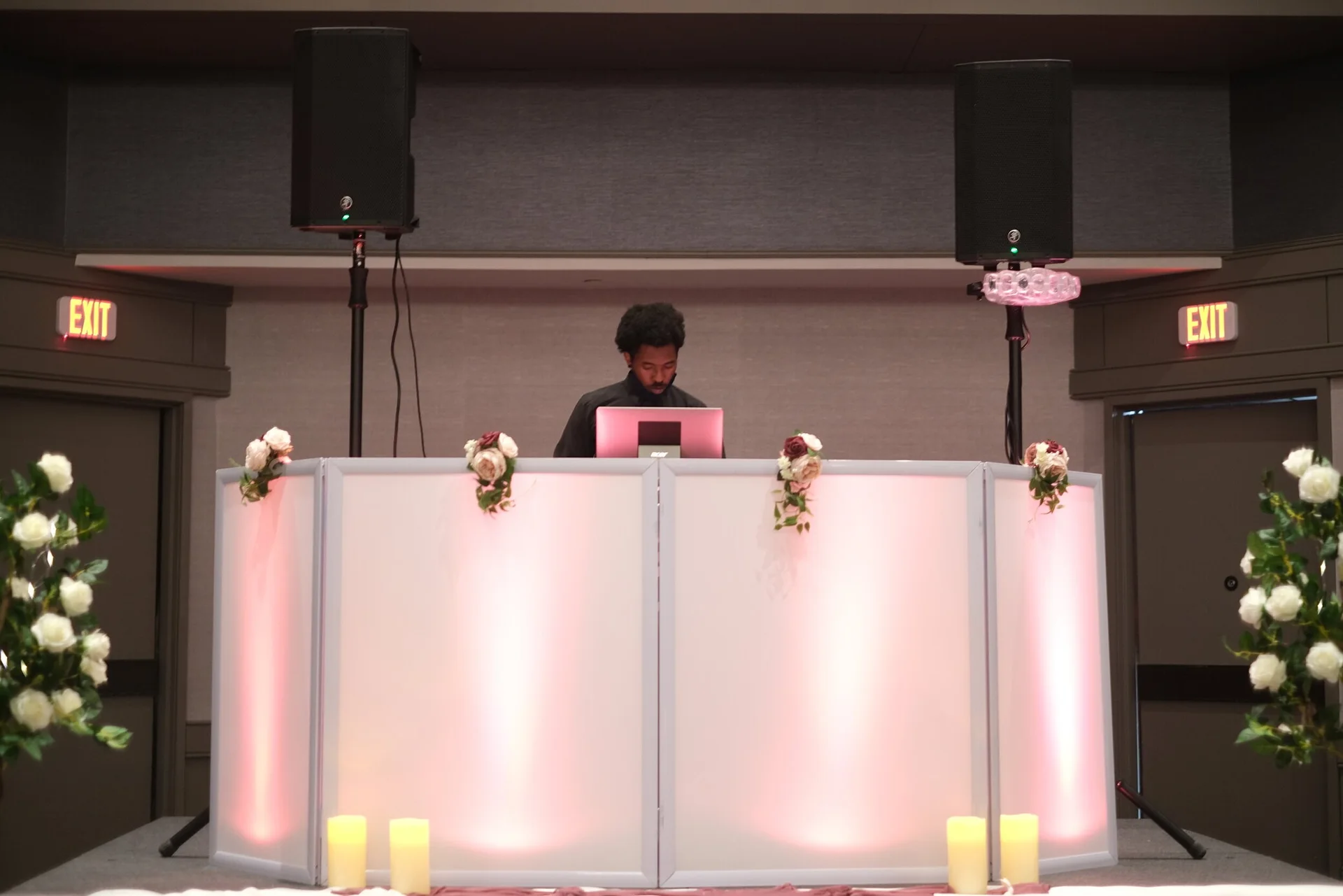
Someone needs to steer that flow, and that’s where a good emcee or DJ earns their spot. They announce what’s next, fill the quiet gaps, hype the crowd for each act, and read the day minute to minute. When energy dips in the late afternoon, they know to drop in an upbeat set and pull people back.
The evening close is your big finish. A DJ set or a headline act with some lighting turns the whole grounds into a party as the sun goes down. That final hour is what people carry home. End on a high and they’ll be talking about your festival until next year’s rolls around.
Planning your Clarkston festival
So how do you bring it all together? Start with your space and your date. A park with room to spread out — somewhere like the green heart of downtown Clarkston near Depot Road — lets you build zones that flow instead of a single crowded stage. Map the grounds first, then place the pieces.
Then build your layers. Book a varied stage lineup, plan a kids’ zone, line up roaming acts and food vendors, and put a strong emcee or DJ in charge of the flow. Handle the practical stuff early, too — permits, power, and restrooms make or break the day. For a closer look at how music and lighting carry an event into the evening, my Clarkston event guide walks through the details.
At its core, a festival is a town throwing itself a party. Give people variety, comfort, and a big finish, and you’ll create the kind of day that becomes a tradition. Want more ideas for events and celebrations? Browse more event tips, or meet your DJ and we’ll shape the entertainment together.