Clean Song Edits: What Schools Should Demand
One wrong lyric can end a school dance in a hurry — and every teacher chaperone knows that sinking feeling when a song’s chorus turns the gym silent. That’s why clean song edits aren’t a nice-to-have for a prom or homecoming; they’re the baseline. I’m Tevin, and I’ve run plenty of school dances around Clarkston. Below I’ll explain what “radio-clean” really means, why a real screening process matters more than a promise, and the exact questions your school should ask any DJ before signing a contract. Get this part right and the night takes care of itself.
In this article
What “clean song edits” actually means
Let’s define the term, because a lot of people get it fuzzy. A clean edit is the radio version of a song — the one where explicit words are muted, swapped, or reversed so nothing offensive plays out loud. It’s the same track kids love, minus the parts a school can’t allow.
Here’s the catch: not every “clean” version is truly clean. Some edits only bleep the worst words and leave heavy themes or slurs intact. Real clean song edits handle the whole song, not just the F-word. That’s a big difference when a gym full of freshmen is singing along.
So when a school asks for clean music, they’re really asking for two things: the right versions and someone who checks them. A promise to “keep it clean” means nothing without a process behind it. That process is the real product.
Why one bad lyric is a big deal
You might think one slip is no big deal. Trust me, it is. At a school dance, a single explicit chorus can trigger a wave of phone videos, an angry email chain, and a very uncomfortable Monday for the staff who booked the DJ.
Schools live and die by trust. Parents hand over their kids for the night believing the event is safe and age-appropriate. One bad lyric cracks that trust, and it’s the school — not the DJ — that catches the blame. That’s a heavy price for a lazy playlist.
The good news? This is a completely solvable problem. Every one of these nightmares comes from skipped screening, and screening is easy when someone actually does it. Nail the prep and the risk basically disappears. For a wider look at keeping events age-appropriate, The Knot’s school dance music guide is a helpful reference.
How real screening works
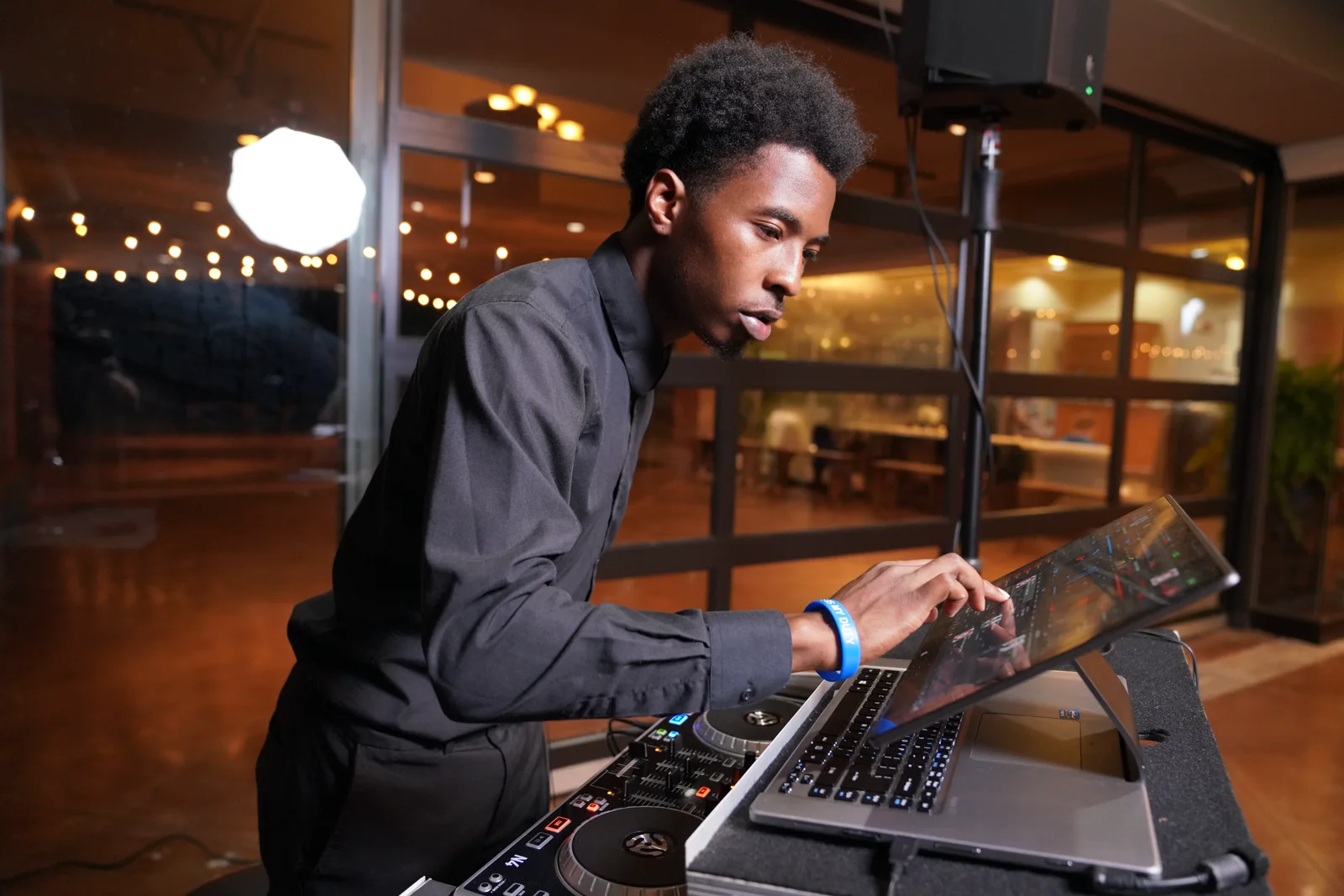
So what does actual screening look like? It’s not glamorous, but it’s the whole ballgame. Before the dance, I go through every song on the planned setlist and confirm the version is genuinely clean — listening, not just trusting a file label that says “clean.”
Then I build a locked library for the night. Only pre-approved, checked tracks get loaded. If a song can’t be verified clean, it doesn’t make the cut, no exceptions. That’s how you guarantee a safe night instead of hoping for one.
I also flag anything borderline for the school ahead of time. Some songs are technically clean but carry themes a particular school would rather skip. Better to raise it in an email a week out than to guess in the moment. When the school and the DJ agree on the list beforehand, there are zero surprises on the dance floor.
A clean school dance isn’t luck — it’s a locked, pre-screened library where every single track was checked before the doors ever opened.
Handling requests without the risk
Here’s where a lot of DJs get tripped up: live song requests. Kids will crowd the booth all night asking for songs, and some of those songs are nowhere near clean. A weak DJ just plays them and hopes. That’s how the trouble starts.
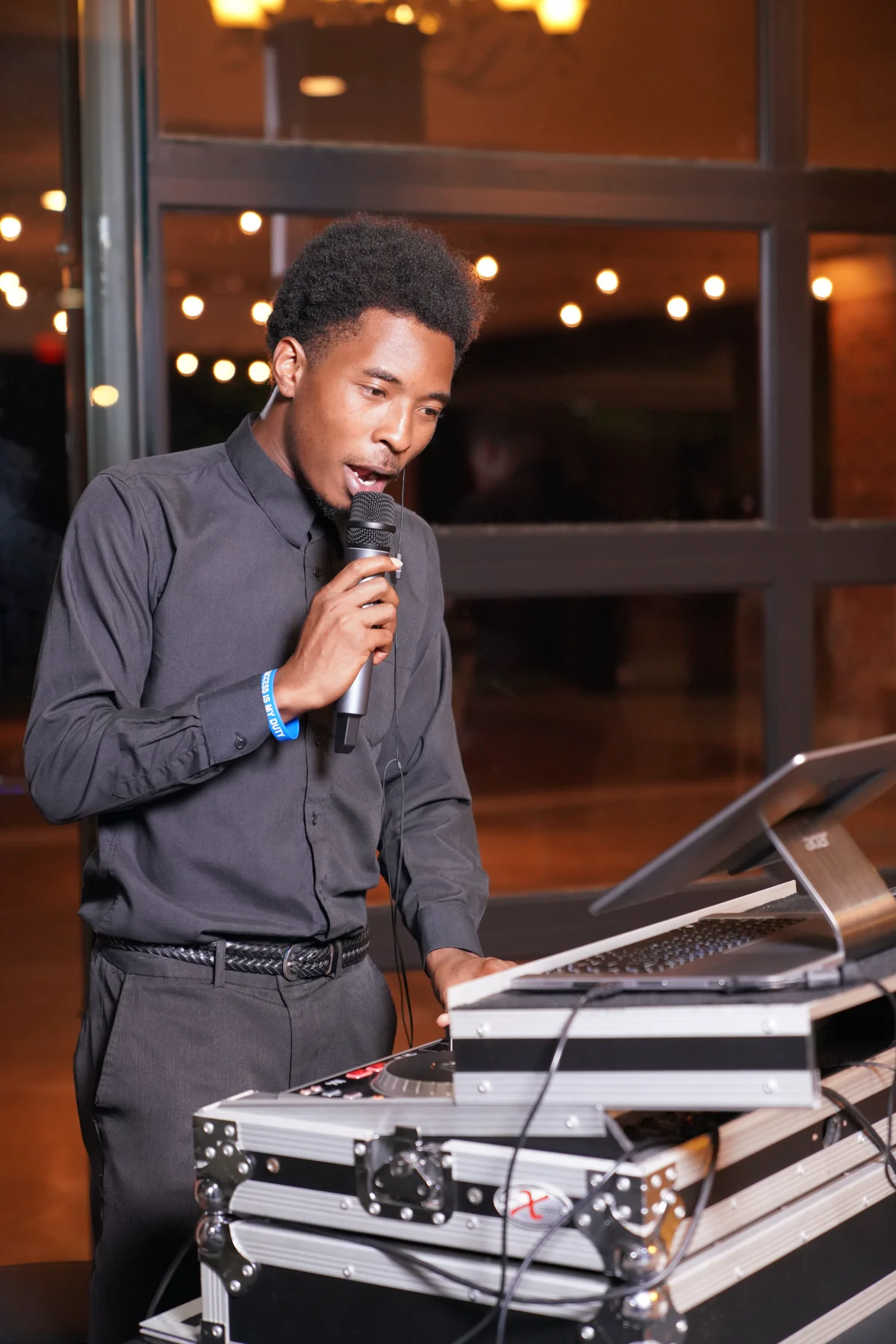
The fix is simple but takes discipline. I only play requests I can verify clean on the spot, and I keep clean versions of the popular ones ready to go. If a requested song has no clean edit, I offer the student a similar track that does. Nine times out of ten, they’re happy with the swap and never notice the difference.
Here’s what a lot of schools miss: the request table is exactly where the night goes wrong, and it’s exactly where a pro earns their fee. A confident DJ says “I’ve got a clean version of that” or “let me play you something just as good,” and the floor stays packed and safe at the same time. If you want the full picture of how we run school dances and private events, that page breaks down the setup and the process.
Key takeaway: Demand more than a promise. A safe school dance needs truly clean edits of the whole song, a pre-screened and locked library, agreement on borderline tracks ahead of time, and a DJ who handles live requests with verified clean versions only.
Questions your school should ask the DJ
Before you sign anything, put the DJ through a quick interview. Their answers tell you everything. A real pro will have crisp, confident answers; a risky one will get vague.
Ask these five. 1. Do you screen every song for a clean version before the event? The answer must be yes, with a real process behind it. 2. Can we approve the setlist in advance? A good DJ welcomes this. 3. How do you handle live requests? Listen for “verified clean only.” 4. What happens if a student requests something explicit? They should offer a clean swap. 5. Have you done school dances before? Experience with this exact crowd matters.
Write the answers down and compare vendors. The DJ who takes screening seriously will stand out immediately — and that’s the one you want running your prom. To double-check which songs are charting so you know what students will request, Billboard’s Hot 100 is a quick weekly reference.

Red flags that mean “keep looking”
Some answers should send you straight to the next vendor. First red flag: “Don’t worry, I’ll keep it clean” with no explanation of how. Vague reassurance is a warning, not a plan.
Second: a DJ who won’t share or approve the setlist in advance. If they’re cagey about the songs, that’s a problem. A pro who screens everything has nothing to hide and will happily send you the list. Third: no experience with school dances. Weddings and clubs are different animals; a DJ who’s never worked a gym full of teens may not grasp how fast one bad song spreads.
Watch for the request answer, too. If a DJ shrugs and says “I just play what the kids want,” walk away. That single sentence tells you they’ll play whatever gets requested, clean or not. The right DJ protects the school even when a student pushes. That backbone is the whole point.
Setting it up for your Clarkston dance
So how do you lock this down for your own event? Start early. Give your DJ the theme, the grade level, and any school rules a couple of weeks out, then approve the setlist together before the night.
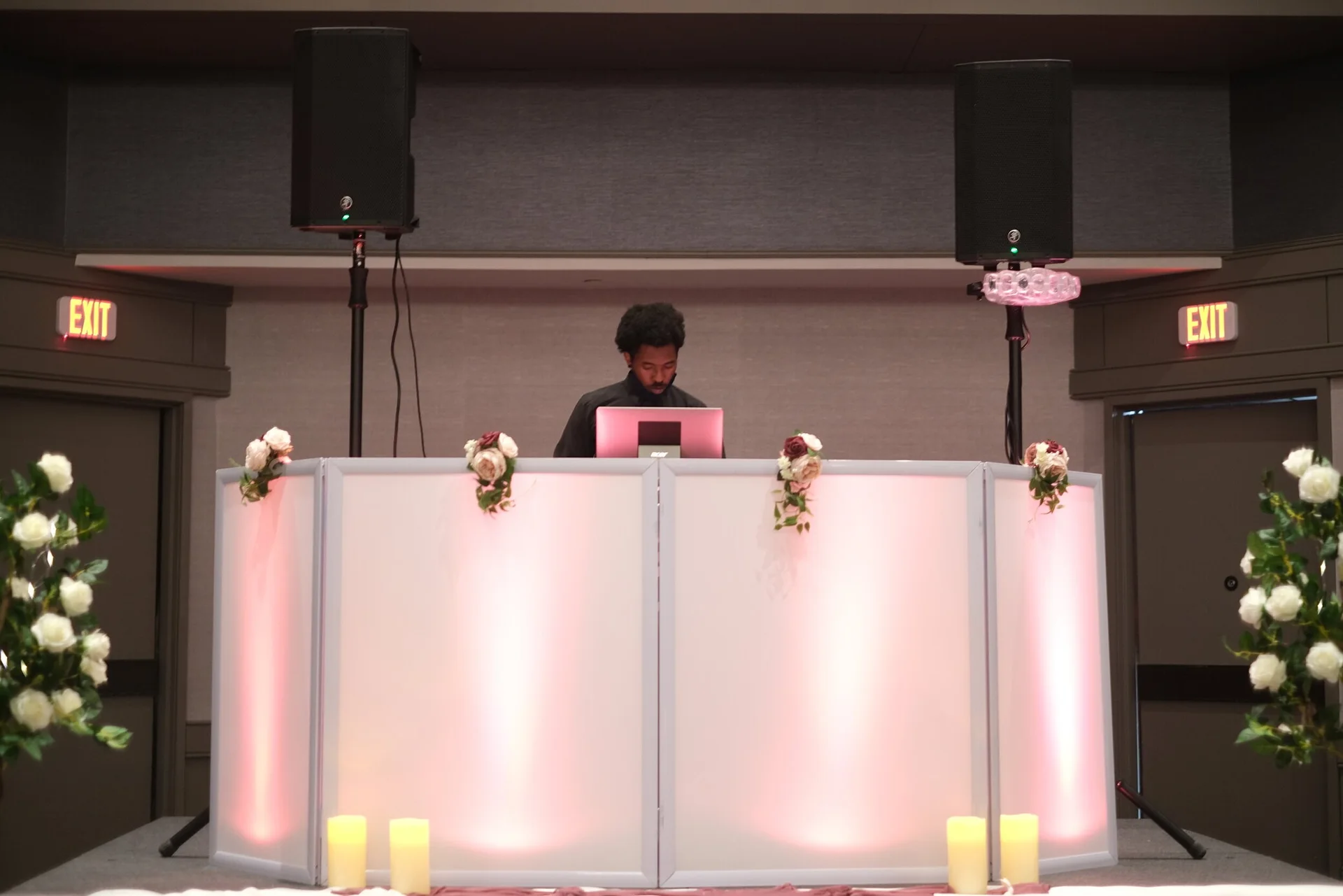
Whether your dance is in the gym off Waldon Road, at a nearby banquet hall, or somewhere else in the metro, the same rules hold: truly clean edits, a locked pre-screened library, and a DJ who guards the request table. For more planning help across every kind of event, browse more event tips anytime, and if your school also books weddings-style celebrations, my Detroit event guide covers how a full night flows.
Bottom line: a clean, fun school dance isn’t hard — it just takes a DJ who does the prep instead of promising it. If you’d like to talk through how I screen and run school dances, you can meet your DJ and we’ll make sure your night is safe, packed, and totally worry-free.