Classical Processional Songs Beyond Canon in D
You love the timeless feel of a classical ceremony — but you’ve heard Pachelbel’s Canon in D at every wedding you’ve ever been to. Here’s the good news: there’s a whole world of gorgeous classical processional songs that carry the same elegance without feeling like a rerun. These are real traditional pieces, the kind that sound stunning on strings in a Grosse Pointe chapel, yet most guests haven’t heard them a hundred times. Let’s walk through the aisle music that still feels fresh, when to use each one, and how to pick the piece that fits your walk.
In this article
Why look beyond the two everyone knows
Let’s be honest about the usual suspects. Pachelbel’s Canon in D and Wagner’s “Bridal Chorus” (the “Here Comes the Bride” tune) are lovely, but they’re everywhere. There’s nothing wrong with them — they’re classics for a reason — but if you want your ceremony to feel a little more personal, a fresh pick makes a real difference.
The beauty of classical processional songs is that the catalog is enormous. Composers wrote hundreds of stately, romantic, walk-worthy pieces, and most of them almost never show up at weddings. So you can keep every bit of that elegant, formal feeling while giving guests something they’ll actually remember.
And here’s the best part: these aren’t obscure, weird choices. They’re time-tested pieces that sound completely at home in a chapel or a grand hall. You’re not trading tradition for novelty — you’re just picking a different classic. That’s the sweet spot.
For the wedding party entrance
Your wedding party’s walk sets the tone, so you want something warm and a little uplifting. A few beautiful options:
“Air on the G String” by Bach. Slow, tender, and endlessly elegant. It floats, which makes it perfect for a relaxed, graceful entrance. Guests feel the class without the cliche.
“Ode to Joy” by Beethoven. Bright and hopeful, this one carries a gentle sense of celebration. It works beautifully for bridesmaids and groomsmen who want a little lift in their step.
“Jesu, Joy of Man’s Desiring” by Bach. Flowing and joyful, with a steady pulse that’s easy to walk to. It’s traditional to the core yet far fresher than the Canon. Any of these three sets a warm, refined tone before the main moment.
For your walk down the aisle
This is the big one — the piece that plays as you walk toward the person you’re marrying. You want something that swells with feeling and gives your walk a sense of arrival. Here are my favorite alternatives to the standard tunes:
“Canon in D” is out — try “Sheep May Safely Graze” by Bach. It’s soft, warm, and quietly emotional, with a melody that seems to breathe. It carries the same tender feeling as the Canon, but far fewer guests will have heard it.
“Salut d’Amour” by Elgar. The title literally means “love’s greeting,” and it sounds exactly like that — romantic, sweeping, and made for a walk toward your future. On strings, it’s breathtaking.
“Panis Angelicus” by Franck. Reverent and gorgeous, this one suits a church ceremony beautifully. It builds slowly and fills a room with warmth. For a walk that feels sacred and grand, it’s hard to beat. If you want a broader list of vetted picks, The Knot’s processional song guide is a helpful place to browse.
You don’t have to choose between tradition and standing out. The right classical piece gives you both — timeless elegance that still feels like it belongs to you.
Lesser-known gems worth hearing
Now for a few hidden treasures — pieces that are stunning but rarely make the usual lists. If you want your ceremony music to feel truly one of a kind, start here.
“The Swan” by Saint-Saëns. Delicate and dreamlike, built around a gliding cello line. It’s pure grace, perfect for a slow, emotional walk.
“Nimrod” from Elgar’s Enigma Variations. This one builds from a whisper to a glorious swell. Time your walk so you reach the aisle’s end as the music peaks, and there won’t be a dry eye in the room.
“Gymnopédie No. 1” by Satie. Spare, modern, and hauntingly beautiful. It’s technically classical but feels almost contemporary, which makes it a lovely bridge for couples who want understated over grand. Explore a few of these and you’ll likely find “the one” you didn’t know existed. If you want to hear full recordings, the Classic FM wedding music guide has samples of many.
Key takeaway: The most memorable classical processional songs keep every ounce of tradition while skipping the two tunes everyone’s heard. Pieces like “Salut d’Amour,” “Nimrod,” and “Sheep May Safely Graze” sound completely at home in a chapel, yet give your walk a fresh, personal feeling that guests will remember.
For a joyful recessional
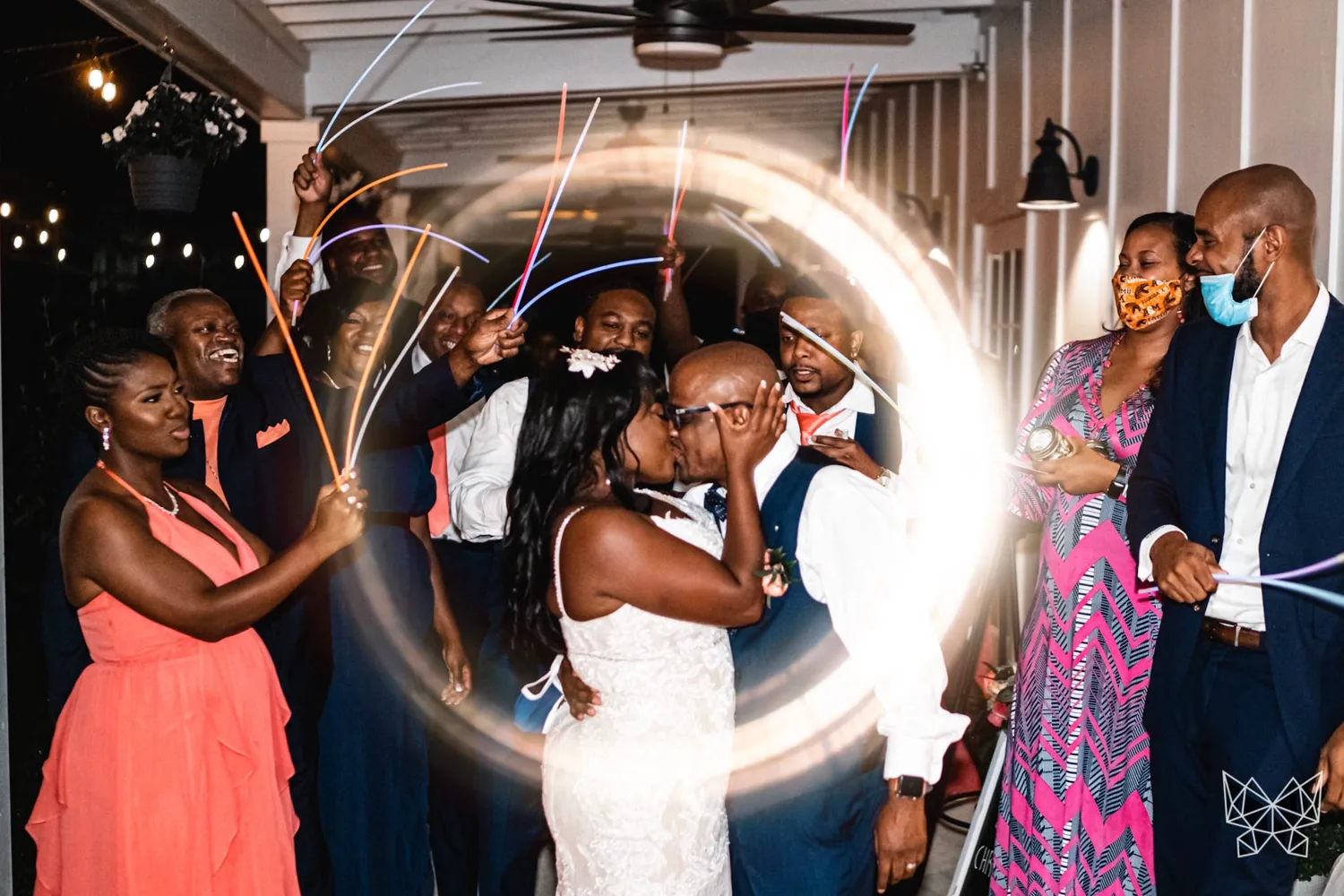
Once you’re married, the mood shifts — now it’s time to celebrate. Your recessional should feel bright and triumphant as you walk back up the aisle as newlyweds. A few classical winners:
“Trumpet Voluntary” by Clarke. Regal and full of joy, with a bold, celebratory sound. It practically announces “we did it!” as you head back down the aisle.
“Hornpipe” from Handel’s Water Music. Lively and grand, this one brings instant energy without losing its classical polish. It’s the kind of piece that makes guests smile and start clapping.
“Spring” from Vivaldi’s Four Seasons. Sunny, quick, and full of life. If you want your exit to feel like the party’s already starting, this is a beautiful choice. A great recessional bridges the formal ceremony into the celebration ahead — and that flow is exactly what I plan out with every couple. My wedding DJ service page covers how the ceremony rolls into the reception.
Live strings vs. recorded music
Here’s what a lot of couples miss: how the music is played matters almost as much as which piece you choose. A live string quartet brings breathtaking warmth to these classical pieces, and there’s something special about hearing them performed in the moment. If your budget allows, live players are magic for a formal ceremony.
That said, a great sound system with high-quality recordings can be just as moving, and it costs far less. The key is clean sound and perfect timing — the music needs to start and stop exactly on cue so your walk lands right. That’s where a pro handling the audio makes all the difference. A song that cuts out early or starts late can rattle even the calmest couple.
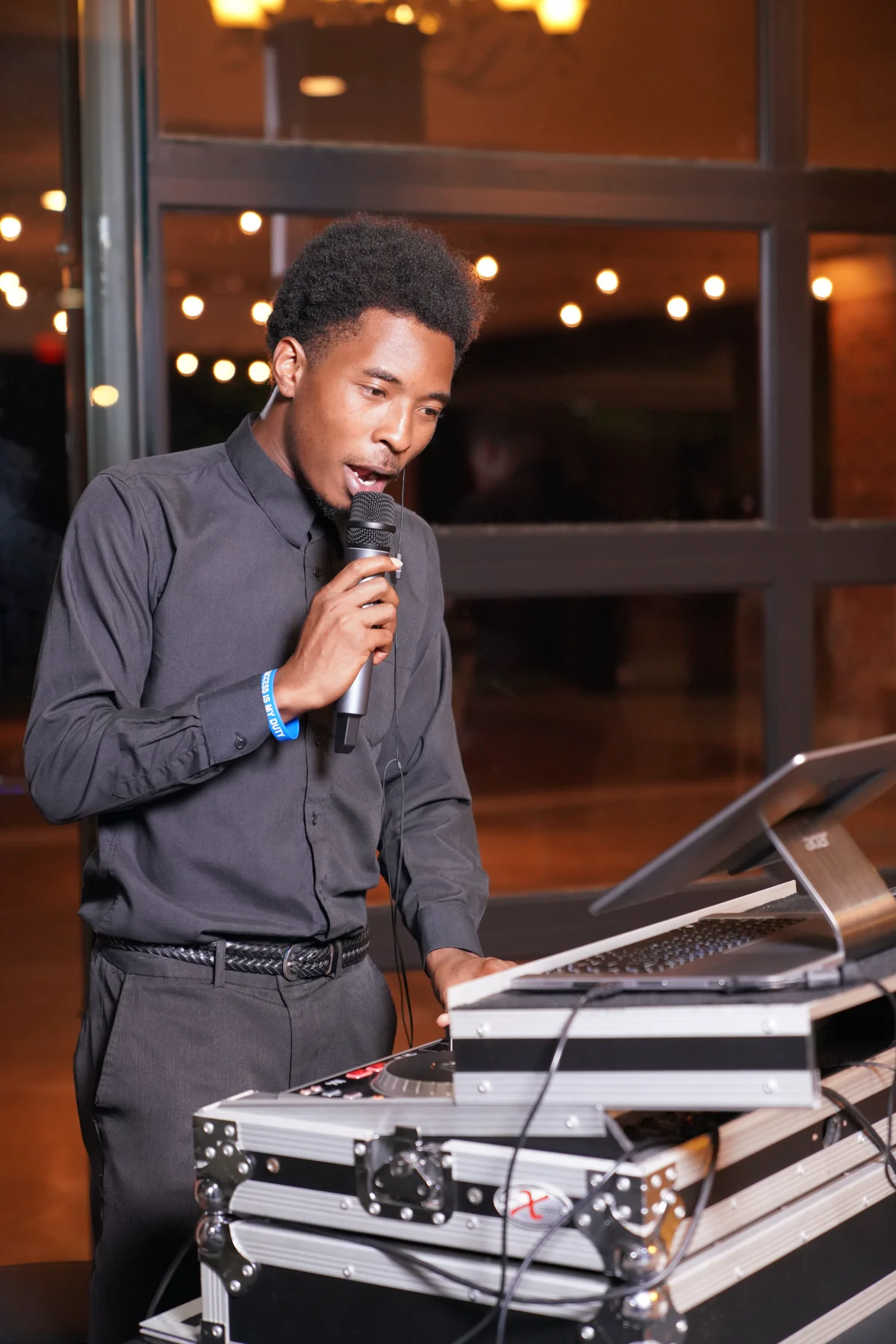
Whichever route you pick, timing is everything with processional music. As your DJ, I’ll cue each piece to the second, watch your walk, and make sure the swell hits right as you reach the front. For couples in Grosse Pointe and along the lakeshore, that precision is what turns a lovely song into a moment. You can find more wedding tips whenever you’re planning the rest of the day.
Choosing the piece that fits you
So how do you land on your final picks? Start by listening. Put on a few of these pieces while you’re getting ready in the morning and notice which ones give you chills. Your gut will tell you fast — the right song feels like your song, not just a pretty one.
Then think about your space and your walk. A long aisle needs a piece that builds; a short one wants something that lands quickly. Match the music to the room and to the feeling you want, whether that’s tender, grand, or quietly emotional. There’s no wrong answer — only the piece that fits your moment best.
At the end of the day, choosing beyond the usual two isn’t about being different for its own sake. It’s about picking the classic that feels like you, then playing it perfectly. When the music, the timing, and the walk all line up, your ceremony becomes a memory that gives you chills for years. If you’d like a hand picking and cueing your pieces, meet your DJ and we’ll build it together. And for even more inspiration, my Grosse Pointe wedding guide walks through the whole ceremony flow.