Chaldean Wedding Khigga: The Dance Explained
If you’ve ever been to a Chaldean wedding, you already know the moment. The music shifts, someone grabs a handkerchief, and within seconds a line of dancers snakes across the whole floor. That’s the Chaldean wedding khigga — the signature line dance that turns a reception into one big, joyful chain of family and friends. Here in Metro Detroit, home to one of the largest Chaldean communities in the world, it’s the heartbeat of the night. Let me explain how it works and how a DJ keeps it flowing.
In this article
What the khigga actually is
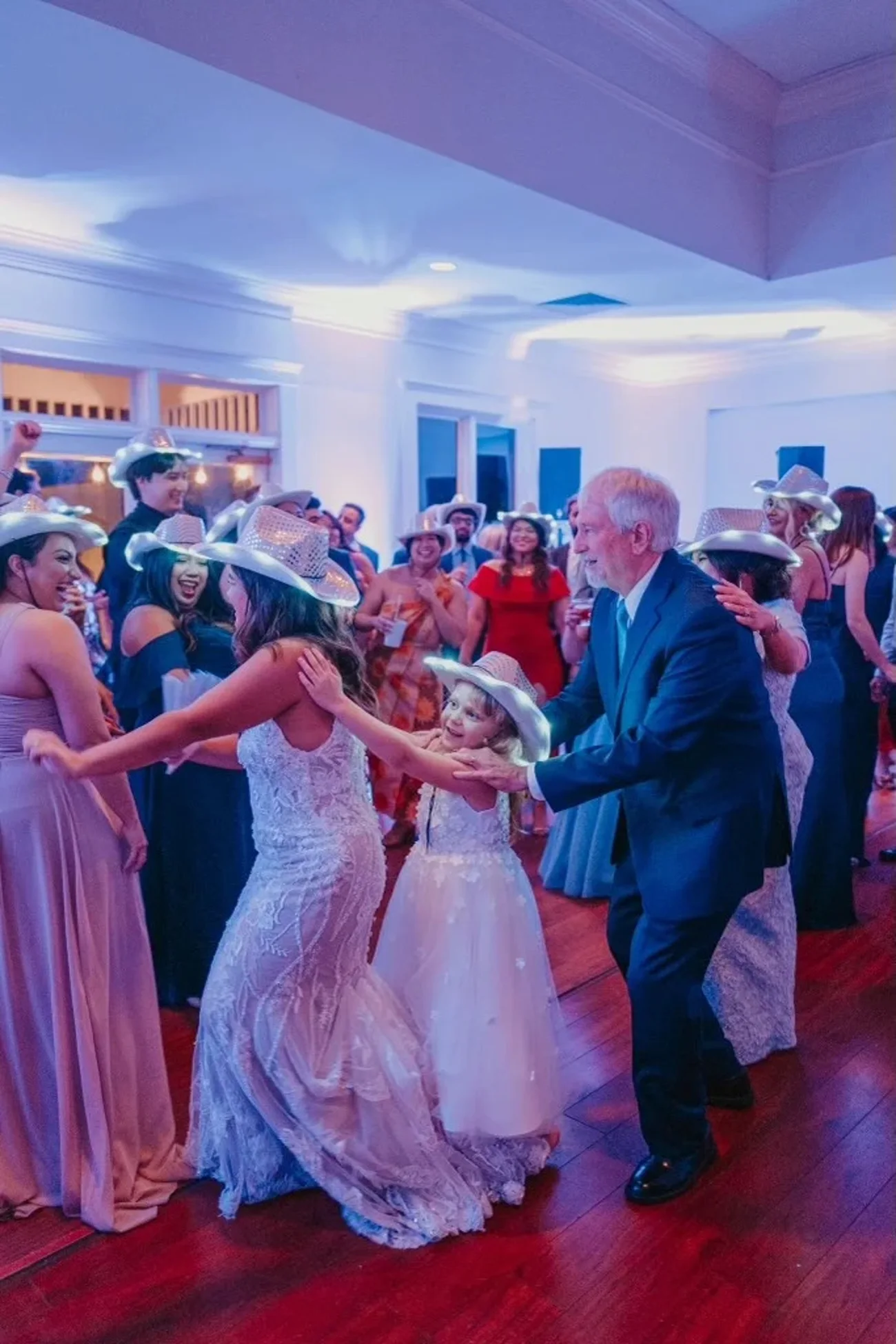
Let’s start with the basics, because the khigga is simpler and warmer than it looks from the outside. It’s a communal line dance — dancers link hands or hold a shoulder, form a long open line, and move together in a repeating step. The person at the front often waves a handkerchief and leads the whole chain around the floor. Everyone joins, from the littlest cousins to the grandparents.
That “everyone” part is the whole point. The Chaldean wedding khigga isn’t a performance you watch — it’s an invitation you accept. There’s no audience, really. The line just keeps growing until half the room is holding hands and the other half is trying to squeeze in. It’s the purest expression of a Chaldean celebration: family, together, moving as one.
For couples of Chaldean heritage, this dance carries real weight. It ties the party back to villages in Iraq, to grandparents, to a culture kept alive across generations in Michigan. So when it starts, it isn’t just fun — it’s home.
Here’s the honest part. You don’t need to be a great dancer to join a khigga, and that’s by design. If you can walk and follow the person beside you, you’re in. That low bar is exactly why it fills the floor faster than anything else all night.
The steps: how the line moves
The footwork looks intricate from across the room, but up close it’s a friendly, repeating pattern. Dancers move together in a step-together-step rhythm, shifting sideways as the line travels. Newcomers just copy the person next to them, and within a few beats they’ve got it. That’s the beauty of it — the line teaches you as you go.
The leader at the front sets the pace and the flair. Some leaders keep it smooth and steady; others get playful, spinning the handkerchief, adding little flourishes, egging the crowd on. As the tempo climbs, the whole line picks up speed, and the energy in the room climbs right with it. When it really takes off, the floor is a blur of linked arms and big smiles.
Different families and regions dance slightly different versions, and that’s totally normal. Some lines are tight and fast, others loose and bouncy. A DJ who has played these weddings knows to follow the family’s lead rather than force one “correct” style. It’s their tradition — my job is to fuel it, not to referee it.
Key takeaway: The khigga is a communal line dance where guests link hands and follow a leader in a simple, repeating step. Anyone can join — and that’s exactly why it packs the floor faster than any other moment of a Chaldean wedding.
The music and instruments behind it
The khigga rides on a specific sound, and getting it right is everything. Traditionally it’s driven by the zurna — a piercing, reedy horn that cuts through any room — paired with the dawola, a big double-headed drum that lays down the heartbeat. Together they create that unmistakable, driving pulse that makes your feet move whether you planned to or not.
These days most receptions use recorded Chaldean and Assyrian tracks, and many families also love a live zurna-and-dawola duo for part of the night. Either way, the DJ’s job is to have a deep, well-organized library of the right songs at the right tempos — and to read the floor so the fast numbers land when the energy is peaking. According to the Smithsonian Center for Folklife and Cultural Heritage, community line dances like this survive precisely because the music and the movement are inseparable — you can’t fake one without the other.
That’s why I plan the playlist with the couple and often their families. You tell me your must-play khigga tracks, the artists your parents grew up on, and whether you’re bringing live musicians. Then I build the flow around your people, not a generic template.
The khigga is the moment the whole family becomes one line. My job is to feel when it’s ready, drop the right song, and let the tradition take over.
When the khigga happens in the night
Timing is where experience really shows. Often the khigga kicks off big and early — sometimes it’s how the couple and wedding party enter the room, with the line forming right behind them to welcome everyone into the celebration. That grand, high-energy open sets the tone for the entire reception.
But it rarely happens just once. The line comes back throughout the night, whenever the energy calls for it — after dinner to reboot the floor, late in the evening when the party’s peaking, and any time Grandma decides it’s time. Here’s what a lot of couples miss: the khigga isn’t a single scheduled event, it’s a current that runs under the whole party. A DJ who treats it like a checkbox will miss half its magic.
How a DJ keeps the line going
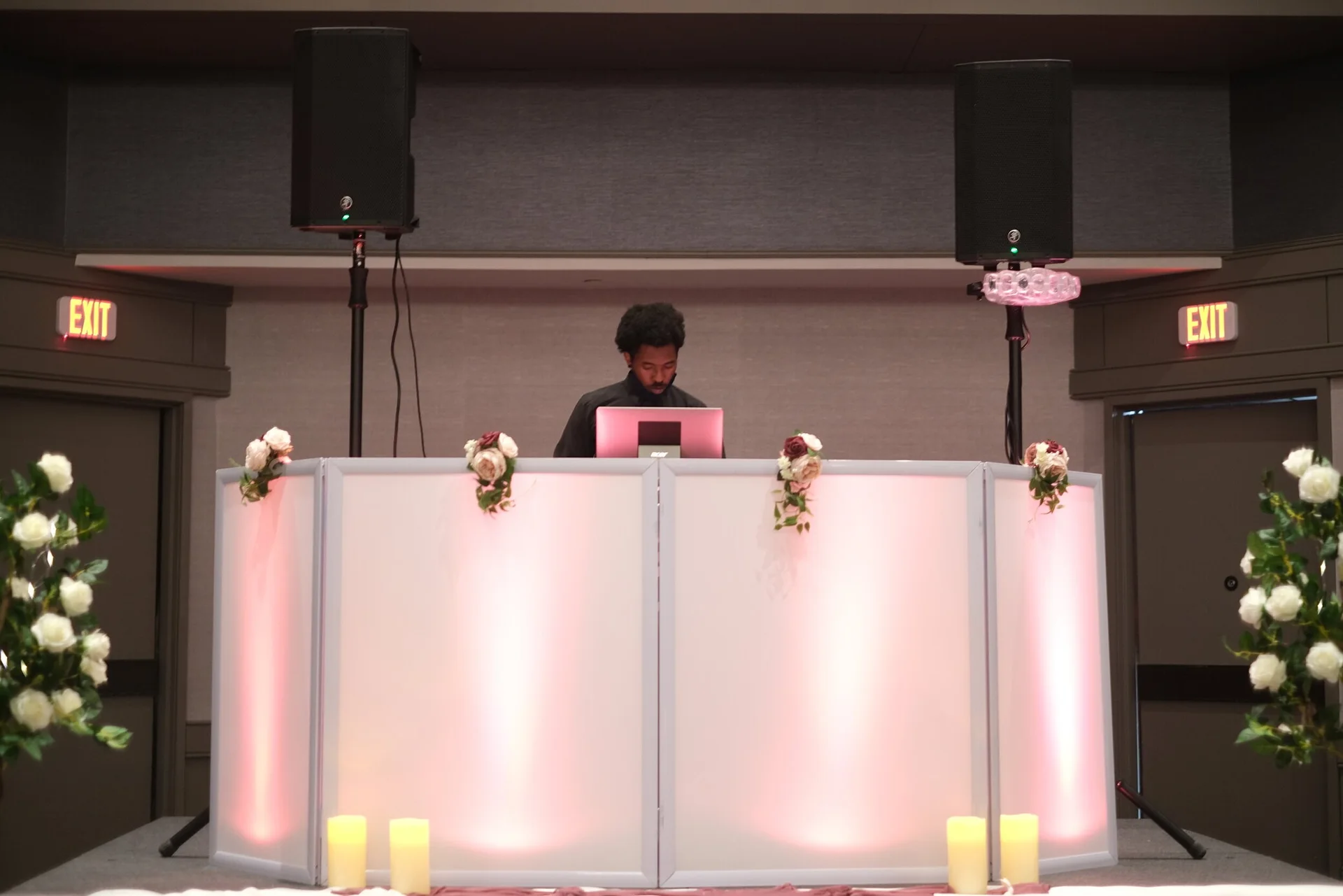
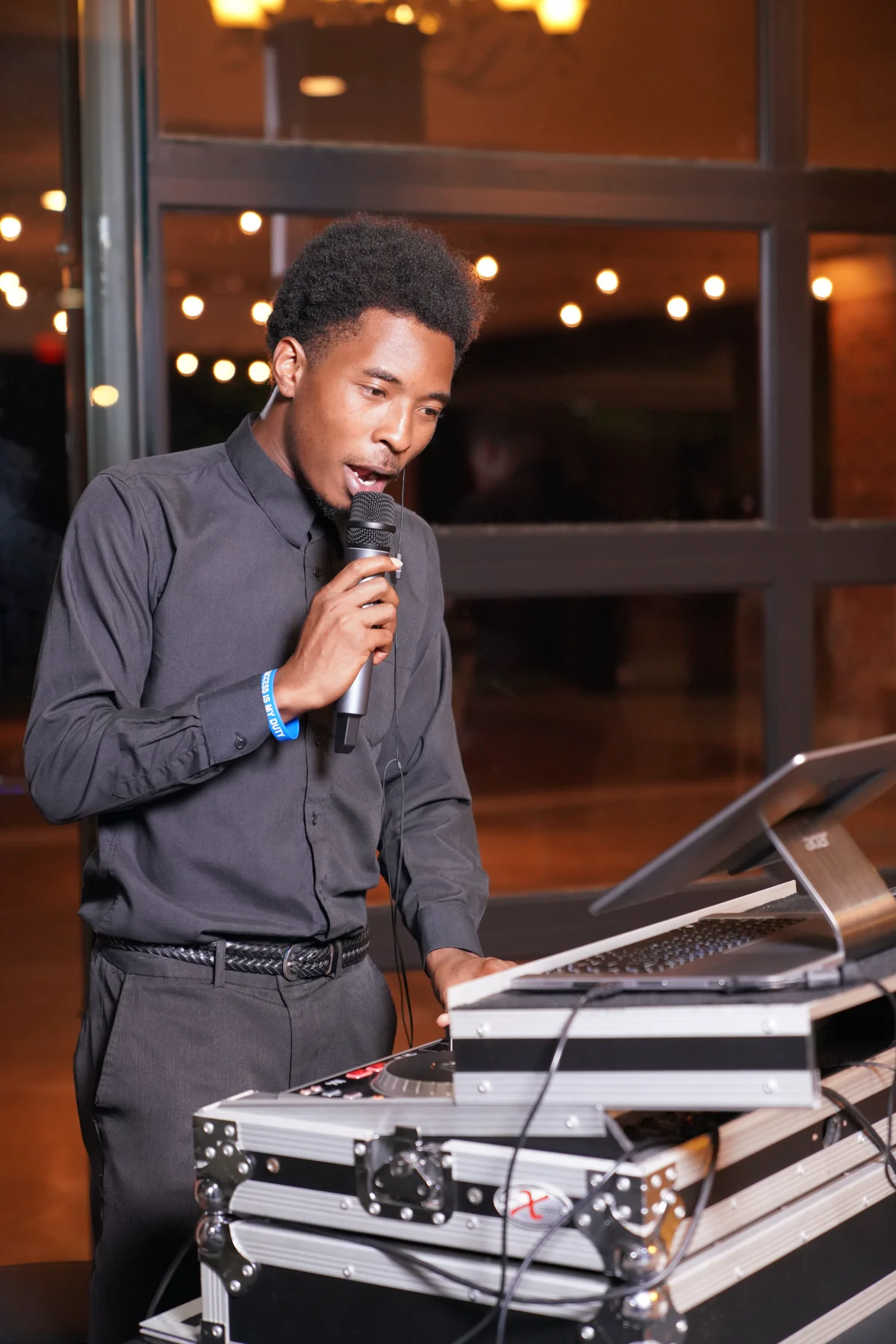
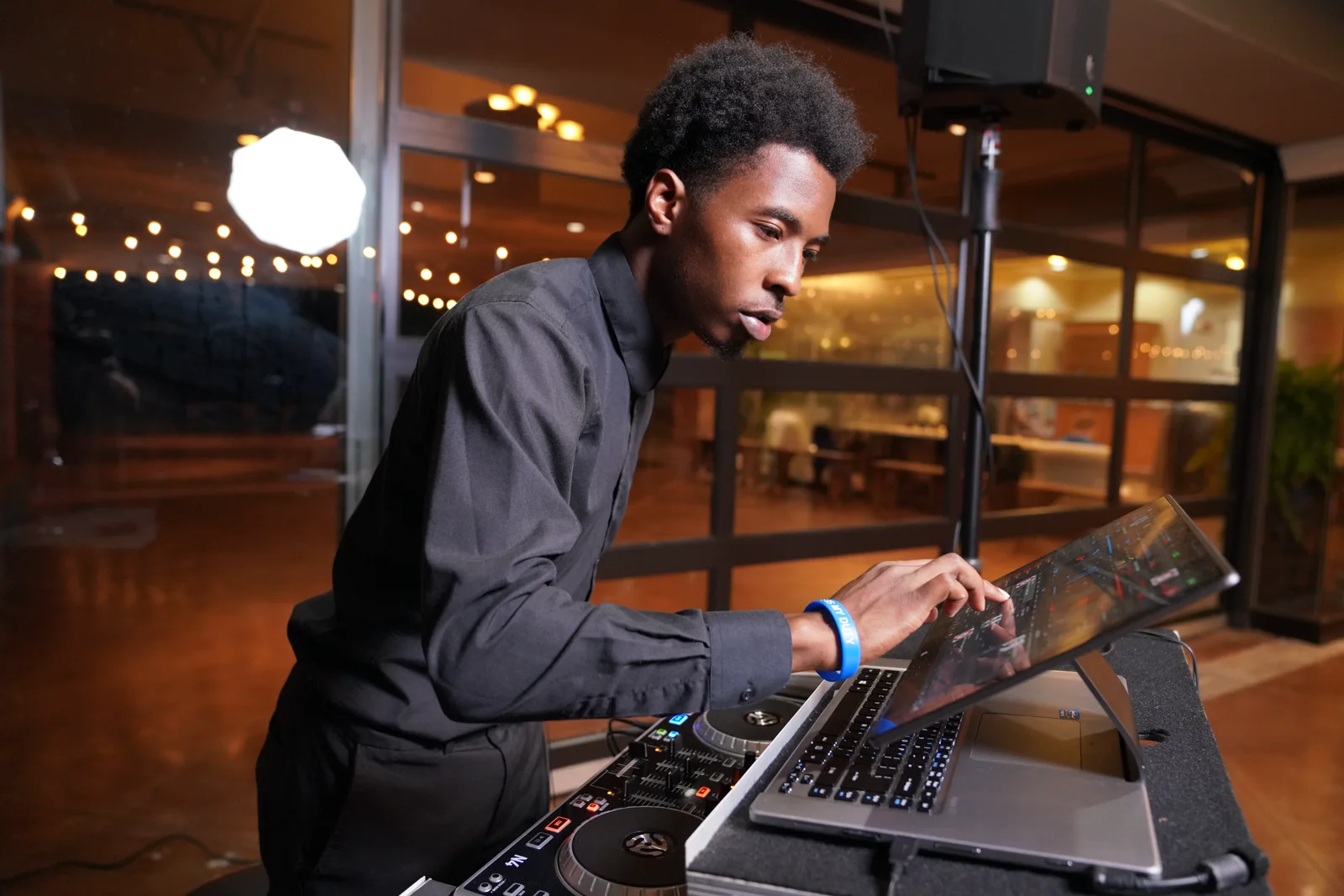
So what does a DJ actually do while the line is snaking around the room? A lot, quietly. First, I mix so there’s never a hard stop between khigga songs — the second a track ends, the next one is already pulling the line forward. A dead silence mid-khigga drops the whole floor, and nobody wants that.
Second, I ride the tempo. When the leader speeds up, I match the energy with faster, harder tracks. When the line needs a breather, I ease it down before the next build. And third, I read who’s in the room — if the older generation is leading, I lean traditional; when the younger crowd takes over, I can bridge into modern Chaldean and Arabic hits without breaking the chain. That live read is something a phone playlist simply can’t do. If you want the bigger picture on how I run a reception, my breakdown of how we run your whole day walks through every piece.
Blending khigga with the rest of the party
A Chaldean wedding isn’t only khigga, of course. There’s dinner, toasts, the first dance, and plenty of American and Arabic pop to keep every guest happy. The real art is weaving it all together so the night feels like one continuous celebration, not separate blocks bolted side by side.
I handle those transitions carefully. A khigga set can flow into a Motown throwback for the parents, then into current hits for the younger crowd, and back into a khigga when the energy dips — all without an awkward gap. Done right, guests never notice the gear-shifts. They just notice they never wanted to sit down. For more traditions and planning help, browse more wedding tips whenever you like.
Why the right DJ matters here
Here’s my honest take. A Chaldean wedding lives or dies on the floor, and the khigga is the engine. Hire a DJ who doesn’t know the music, the tempos, or the timing, and you’ll feel it — awkward silences, wrong-speed songs, a line that never quite catches fire. Hire someone who’s done these nights, and the floor stays packed from the first handkerchief to the last drumbeat.
That’s the difference I bring: over a decade behind the decks, a 5.0 Google rating, and real experience with Metro Detroit’s cultural weddings, from Sterling Heights ballrooms to the halls across Macomb and Oakland counties. I plan with your family, I respect your traditions, and I read the room live so the khigga hits every time it should. You can always meet your DJ before you book, and if you want a feel for how I handle weddings across the area, my Detroit wedding guide covers the whole picture. Dates fill fast in wedding season, so if you have one in mind, let’s check it while it’s still open.