Candlelit Reception: The Low-Light 2026 Look
Bright white ballrooms are having a quiet moment — the lights are going down. A candlelit reception is the moody, warm, low-light look taking over 2026 weddings, and honestly, it’s gorgeous. Soft flames, glowing tables, deep shadows in all the right places. I’ve watched Bloomfield Hills couples fall in love with it. But low light is a little trickier than it looks, so here’s how to get the glow right without leaving your dance floor in the dark.
In this article
What a candlelit reception really is
Let’s clear this up first, because “candlelit” can mean a few things. A true candlelit reception leans into warm, dim, golden light instead of bright overhead fixtures. Think clusters of candles down long tables, soft pools of glow, and a room that feels intimate the moment guests walk in.
But here’s the secret nobody tells you: it’s almost never only candles. The best low-light rooms mix real flames with hidden, warm-toned lighting that fills the gaps. Candles alone look romantic on a table, but they can’t light a whole ballroom or a dance floor. The pros blend the two so it feels like candlelight everywhere — even where there isn’t a single flame.
That blend is the whole game. Done right, the room feels like a warm hug. Done wrong, half your guests are squinting at their plates. So the goal isn’t “turn everything off.” It’s “control the light so it flatters everyone and everything.”
Why couples are going low-light
So why the shift? A few reasons, and they all make sense. First, mood. A dim, glowing room instantly feels more intimate and grown-up than a bright banquet hall. It signals “this is a special night,” and guests feel it before they can explain it.
Second, photos. Warm low light is flattering on skin, on flowers, and on that dress you spent months choosing. According to The Knot’s wedding lighting guide, thoughtful lighting is one of the biggest factors in how a reception looks in the final gallery. Third, it just feels current — a break from the bright, samey ballrooms couples have seen for years.
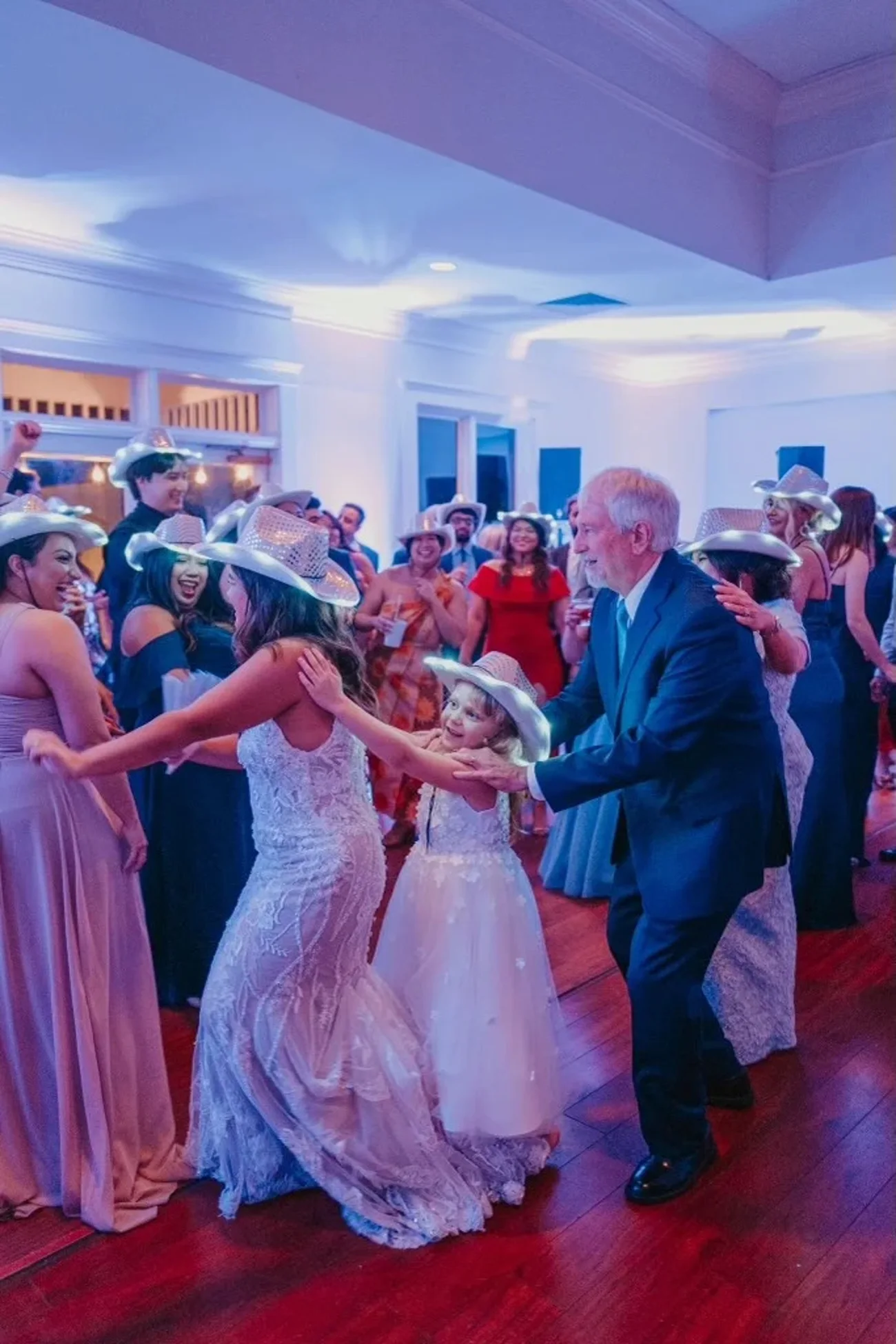
Here’s what a lot of couples miss, though: going dark doesn’t mean going low-energy. I’ve seen people worry that a moody room will kill the party. The opposite is true when it’s done right. A dim room with a glowing dance floor actually pulls people in, because the floor becomes the brightest, most inviting spot in the building.
Low light isn’t about hiding the room. It’s about choosing exactly what the room shows off — the couple, the candles, and the dance floor.
Layering candles with smart lighting
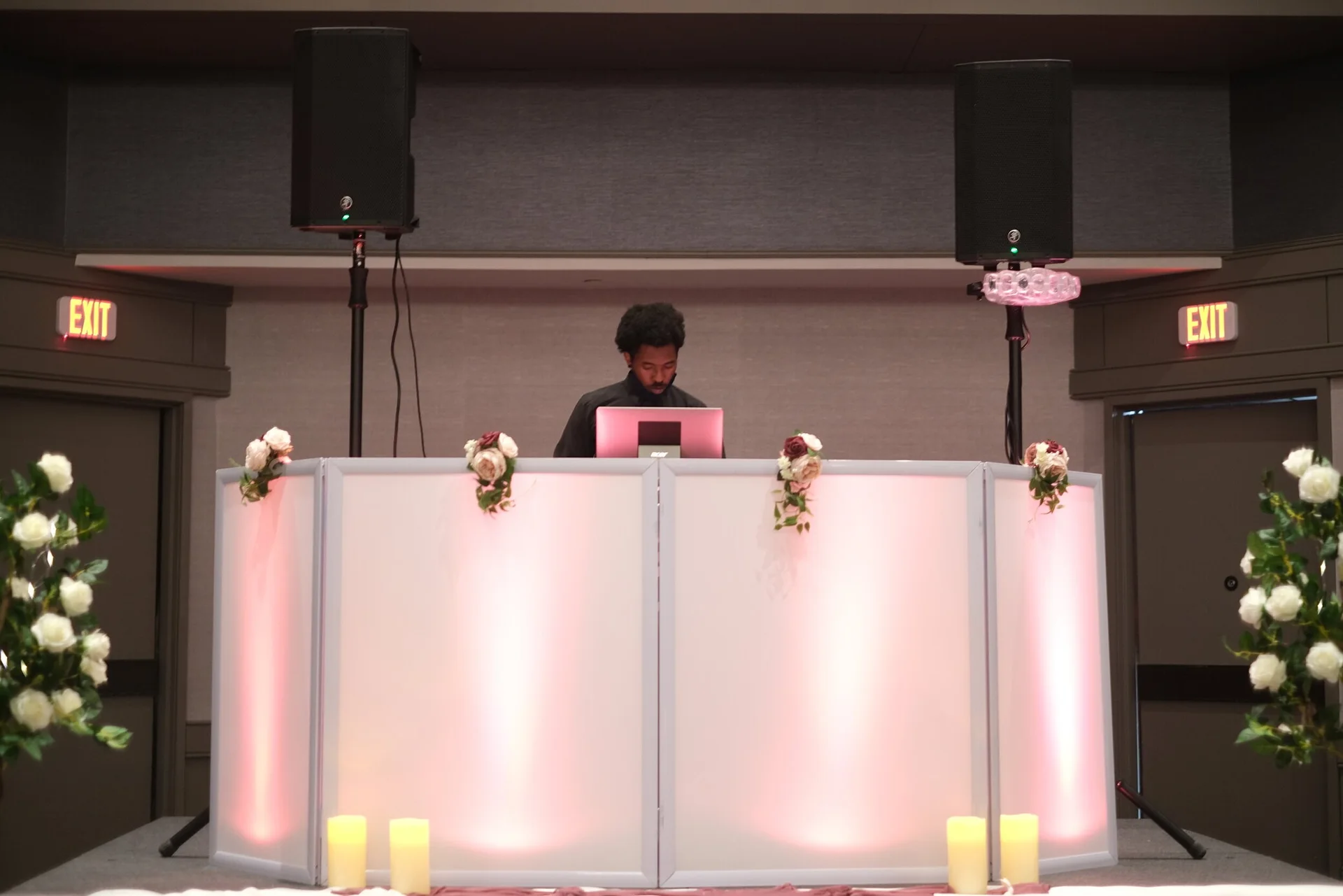
This is where uplighting quietly saves the whole look. Uplighting is a set of small, wireless fixtures placed around the room’s edges, washing the walls in a color you choose. For a candlelit vibe, we go warm — soft amber, honey gold, a touch of blush — so it reads as extended candlelight, not a nightclub.
The candles handle the tables and the intimacy. The uplighting handles the walls, the depth, and the overall glow. Together they make a room feel fully lit and completely moody at the same time. It’s the trick behind almost every stunning low-light wedding photo you’ve saved. Here’s how we color a room to match your day if you want the full breakdown.
The best part? It’s battery-powered and wireless, so there are no cords snaking across your beautiful floor. I set it before guests arrive, dial the warmth to match your candles, and the room looks intentional instead of accidental.
Key takeaway: A great candlelit reception layers real candles for intimacy with warm, wireless uplighting for depth. The candles set the mood; the uplighting keeps the room and the dance floor glowing instead of gloomy.
Getting photos right in the dark
Low light and cameras have a complicated relationship, so plan for it. Talk to your photographer early about how dim you’re going. Great photographers love a moody room, but they need to know so they can bring the right lenses and lighting of their own.
One thing that helps enormously: warm, consistent light instead of harsh color changes. If the room is flickering between purple, green, and blue all night, skin tones go weird fast. That’s why for a candlelit look I keep the uplighting steady and warm during dinner and the emotional moments, and save any color play for later in the dance set.
The dance floor deserves its own thought too. A little movement and light there gives your photographer crisp action shots without washing out the mood everywhere else. It’s a balance, and it’s one I’ve dialed in over a lot of receptions.
Keeping the dance floor alive
Here’s the part that’s my whole job. A moody room is beautiful, but the dance floor still has to go off. The way you do that is by making the floor the energy center — a pool of light and sound that feels like the place to be when the music kicks up.
During dinner, I keep the light warm and low and the music soft, matching that candlelit calm. Then when it’s time to dance, I lift the energy with sound and a touch more light right on the floor — not house lights blazing back on, just enough to say “come here, this is happening.” The contrast is what makes it electric.
Reading that shift is the skill. Push the dance lighting too early and you break the mood; wait too long and the party never lands. I watch the room and time it to the second, so the candlelit calm melts into a packed floor at exactly the right moment.
Real candles, safety, and venue rules
Now the practical stuff, because open flame comes with rules. Many venues, especially historic Bloomfield Hills estates and hotels, have policies on real candles. Some require enclosed flames in glass, and some ask for flameless LED candles entirely. Always ask your venue before you buy 200 taper candles.
Good news: modern flameless candles look shockingly real now, with a warm flicker and everything. Mix a few real ones where they’re allowed with LED ones elsewhere, and no guest can tell the difference. You get the glow without the fire marshal’s frown. It’s a simple planning step that saves a big headache later.
If you’re comparing ideas, Brides has a helpful roundup of candlelit setups that photograph well. Between that and your venue’s rules, you’ll land on a look that’s both stunning and safe.
Planning your own glow
So there’s your roadmap: layer real and LED candles with warm uplighting, keep the light steady for dinner and photos, and let the dance floor become the glowing heart of the night. A candlelit reception isn’t hard — it just rewards a little planning and the right lighting partner.
That’s the part I love handling. I match your uplighting to your candles, keep the mood consistent when it counts, and light the floor so the party still pops. Want more trend ideas while you plan? Browse more wedding tips anytime, or meet your DJ to see how I work. And for the full picture of how I run a wedding day, my Detroit wedding guide covers it all. Dreaming of a glowing, low-light night? Let’s plan yours.