
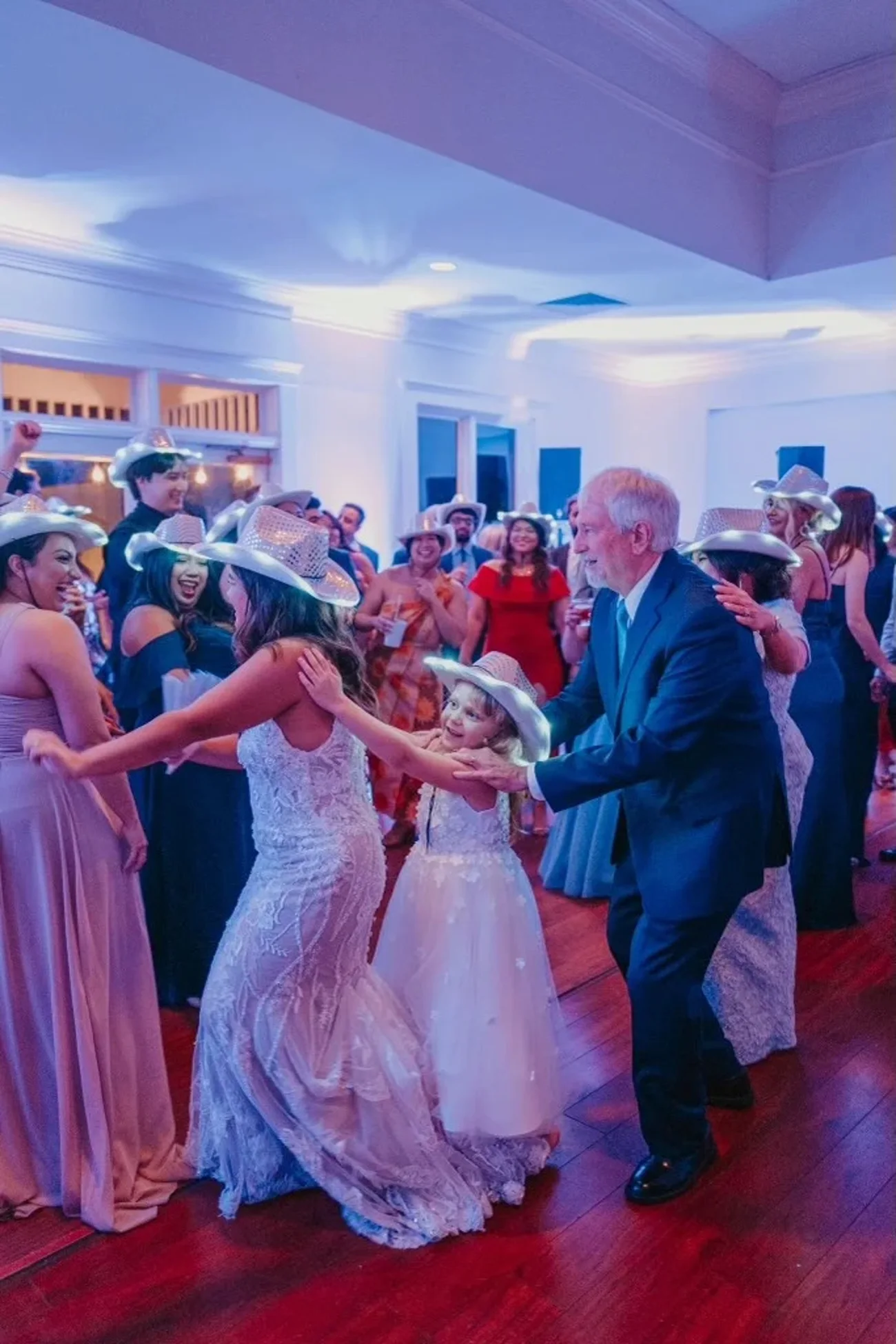
Block Party Permits and Planning in Michigan
Closing your street for a neighborhood bash sounds like a headache — but it really isn’t. In most Michigan towns, block party permits are cheap or free, and the whole process takes one simple form and a little lead time. Get that piece right and you unlock the best kind of party: kids on bikes, grills going, and a dance floor right there in the road. So let’s walk through exactly how to close the street the legal way, plan it safely, and set the whole thing up for fun in Sterling Heights. It’s easier than you think.
In this article
What a block party permit actually is
Let’s clear up the mystery first. A block party permit is just official permission to close a stretch of your residential street for a few hours. That’s it. It lets you legally set up tables, games, and a DJ in the road without traffic rolling through the middle of it.
Most towns keep block party permits simple because they want neighbors connecting. The form usually asks for your date, the block you want to close, a rough time window, and a signature or two from folks on the street. In many Michigan cities it’s free or costs just a few dollars. So don’t let the word “permit” scare you — this is one of the friendliest bits of paperwork a city offers.
One thing to know: a permit closes the street, but you still need to leave room for emergency vehicles. That’s normal and easy — the city just wants a clear lane in case a fire truck needs through. More on that in the safety section.
How to apply, step by step
Here’s the good news: the process is short. In Sterling Heights, you start with the city’s special-event or block-party request, which you can find through the City of Sterling Heights website or by calling the clerk’s office. Fill in your street, your date, and your hours, and you’re most of the way there.
Next, most cities want you to show your neighbors are on board. That usually means collecting a few signatures from households on the block you’re closing — a nice excuse to knock on doors and spread the word anyway. Then you submit the form, wait for approval, and the city handles the street-closure signs or barricades (or tells you where to grab them).
Every town runs it a little differently, so it helps to see a couple of examples. Detroit, for instance, spells out its street-closure process clearly on the City of Detroit site. Reading how a neighboring city does it gives you a good feel for what yours will ask for, too.
See? Three real steps: fill the form, gather a few signatures, submit and wait. Give yourself time and it’s genuinely painless.
How early to start
Timing is the one place people trip up. Cities need lead time to review and approve a street closure — usually a few weeks, sometimes more for a busy summer weekend. So the biggest favor you can do yourself is start early. Aim to submit at least three to four weeks out.
Why the buffer? A couple of reasons. The city may need to check that your date doesn’t clash with road work or another event nearby. And if a form’s missing something, an early start gives you time to fix it without sweating the deadline. Rush it, and a small hiccup can sink the whole date.
Here’s a bonus of planning ahead: more lead time means better turnout. When you tell the block a month early, neighbors can plan around it, line up their own dishes, and actually show up. A last-minute party is a quiet one. So start early for the permit and the crowd.
The permit isn’t the hard part of a block party — it’s the easy part. Start a few weeks early, gather a few signatures, and the city practically rolls out the barricades for you.
Planning it safely
Here’s what a lot of first-time hosts miss: a block party is safest when it’s built around the people, not the cars. Once the street’s closed, put the kid stuff — games, bounce house, chalk — toward the center where it’s most protected. Keep the grills and open flames off to the side, away from tents and crowds.
Leave that emergency lane clear, too. Set tables and the DJ booth so there’s always a path wide enough for a fire truck or ambulance to get through. It never comes up 99% of the time, but that clear lane is exactly why the city says yes so easily. Respect it and you’re golden.
A few more easy wins: post someone friendly at each barricade to greet cars and explain the closure, keep water and shade handy on hot Michigan afternoons, and have a simple rain plan. None of it is hard — it just takes five minutes of thinking ahead so the day stays smooth.
Key takeaway: Block party permits are quick and usually free — one form, a few neighbor signatures, and three to four weeks of lead time. Keep an emergency lane clear, put kids in the protected center, and grills to the side. Handle those basics and the city makes it easy to say yes.
Laying out the street
With the permit sorted, the fun begins: turning a plain road into a party. Think in zones. A food and grill zone near one end, a kids’ zone in a safe middle stretch, and a music-and-dancing zone anchored around the DJ. Clear zones keep the crowd flowing and stop the whole thing from bunching up in one spot.
Put the DJ and speakers where sound can reach the whole block without blasting any one house. Center-ish usually works best, aimed down the street rather than straight at a porch. That way the beat carries end to end and nobody’s living room is rattling. This kind of setup is exactly what I plan for neighborhood parties and community events.
Don’t forget the little comforts. A few pop-up tents for shade, a table for drinks, and a spot for folks to sit and chat all make people stay longer. The best block parties feel less like an event and more like the whole street just decided to hang out together.
Sound and entertainment
Music is the heartbeat of a block party, and it does double duty outdoors. Good tunes pull people out of their houses and onto the street — and they keep the energy up for hours as neighbors mingle. But outdoor sound is tricky, since there are no walls to bounce it back to the crowd.
That’s where a real setup beats a portable speaker. I spread sound so it covers the whole closed stretch evenly, keep it at a friendly level that reaches everyone without overwhelming the nearest homes, and mix music the whole block knows — a little Motown, a little today, something for every age on the street. A live host also keeps things rolling: announcing the potluck, the raffle, the kids’ contest.
Entertainment beyond music helps, too. Lawn games, a chalk contest, a small raffle with donated prizes from the neighbors — simple stuff that gives people a reason to stick around. For more ways to plan a party that hums all afternoon, browse more party tips whenever you like.
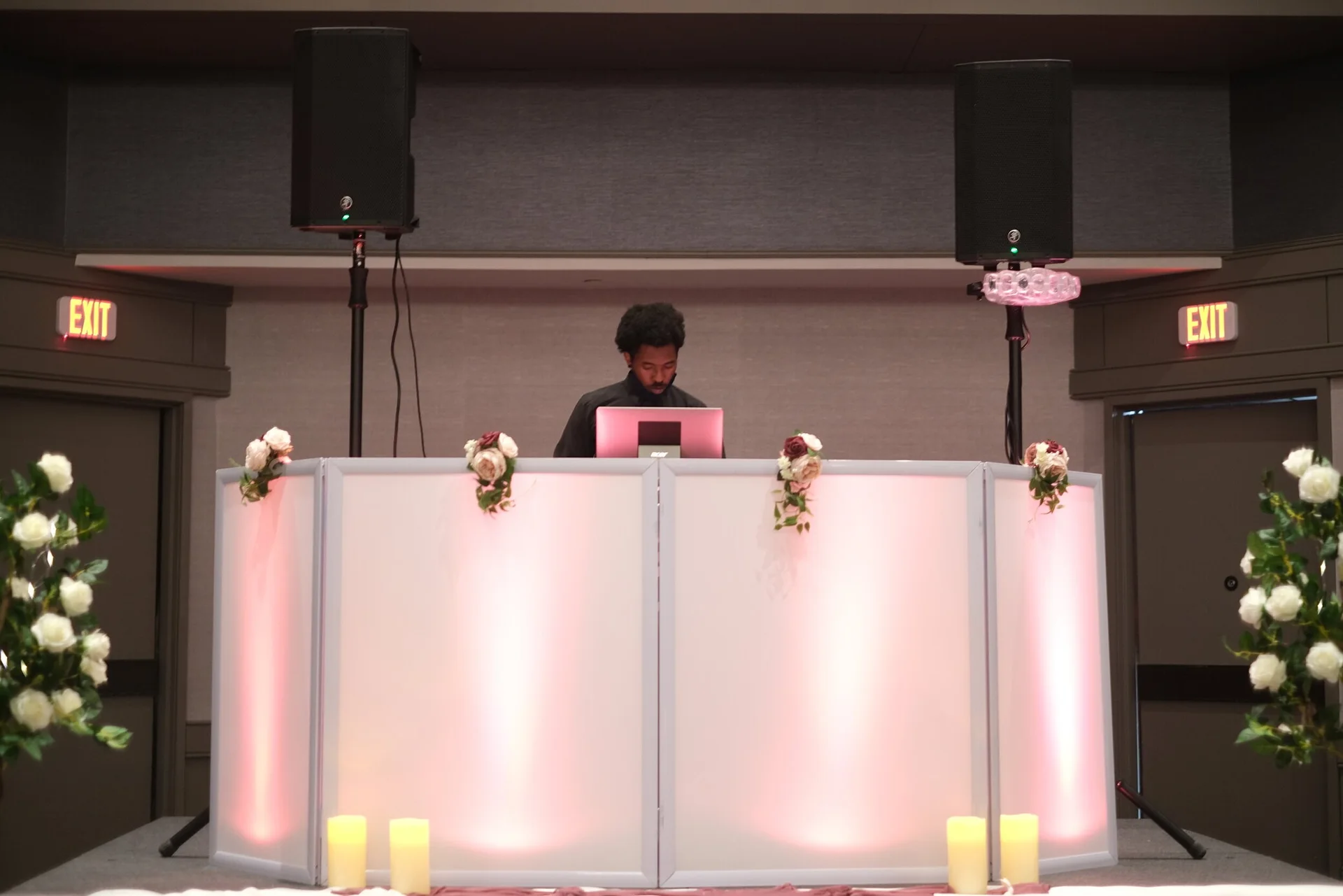
Planning your Sterling Heights block party
So how do you pull it all together? Start with the permit three to four weeks out, gather your neighbor signatures, and lock the date. Then map your zones, plan the sound, and line up a few games and a rain backup. That’s the whole recipe.
Whether your street sits near the Sterling Heights Nature Center, off Dodge Park Road, or in a quiet subdivision by Utica Road, the same steps apply: permit first, safety second, fun third. Handle them in that order and your block party runs itself — you get to actually enjoy your own street.
Want the music and hosting handled so you can relax? That’s my favorite part. Feel free to meet your DJ or take a look at my Sterling Heights event guide to see how I set up sound that reaches the whole block and keeps everyone dancing in the street.