Awards Gala DJ Tips: Program Flow & Music (Troy)
An awards gala has a hidden failure point, and it’s not the food or the venue. It’s the pacing. When the program drags, the room goes cold, phones come out, and by the time you hit the dance floor half the crowd has mentally checked out. A good awards gala DJ fixes that before it starts. The right walk-up cues, the right winner music, and a tight sense of timing keep the energy up through every award and land the night on a packed floor. Here’s exactly how to run a Troy gala that stays sharp from the first speech to the last song.
In this article
What a gala DJ really does
Let’s clear something up first. A lot of planners think a gala DJ just plays background music and then opens the dance floor. That sells the job short. At a good gala, the DJ is the invisible engine of the whole timeline — the person keeping every segment moving on cue.
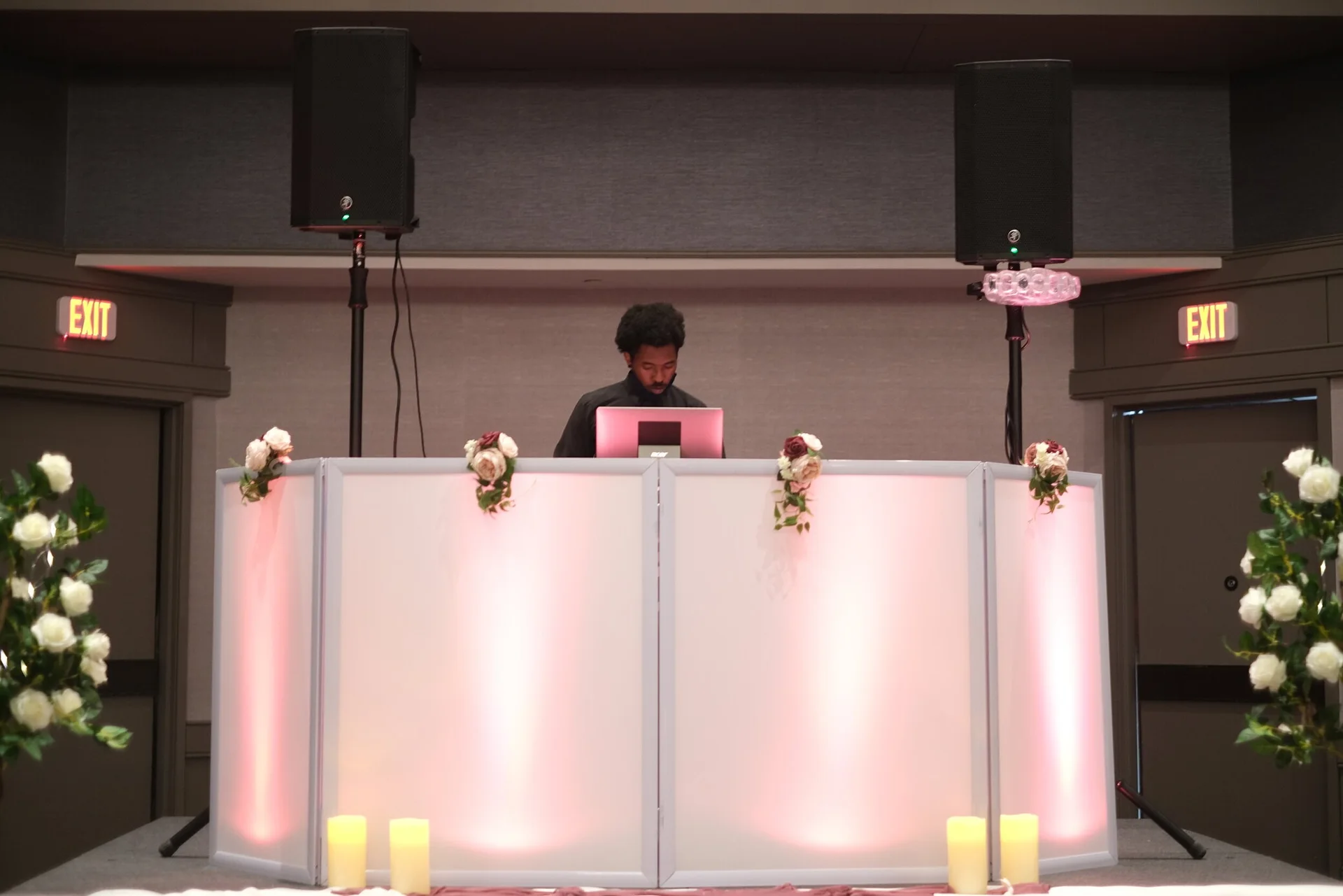
A pro awards gala DJ runs the sound for the speeches, cues the music for each award, times the applause, and keeps the transitions crisp so there’s never an awkward silence between segments. When it’s done right, you don’t notice it. The night just flows, and everyone credits the “great energy” without realizing a person at the booth built it.
Here’s the mindset that matters: a gala is a show, and a show needs a rhythm. Dead air kills momentum faster than anything. So the DJ’s real job is making sure the room never sits in silence wondering what’s next. Every gap gets filled, every handoff gets a musical cue, and the whole thing feels produced instead of improvised.
Walk-up cues that build energy
Now for one of my favorite tricks: the walk-up. When a presenter takes the stage or a winner comes up to accept, a short burst of music carries them there. It sounds small, but it completely changes the feel of the room. Silence makes a long walk feel awkward. Music makes it feel like a moment.
The key is matching the cue to the energy you want. An upbeat, celebratory track for a big award gets the room clapping along. A shorter, punchier sting works for quick handoffs so you don’t waste time. And you fade it clean the second they reach the mic — no fumbling, no overlap, no talking over the music. That precision is what separates a pro from someone hitting play on a laptop.
Plan these cues ahead with the client. Ask if any honoree has a song that means something, or if the company has a theme for the night. Then keep the whole set clean and appropriate for a professional room. Groups like event pros on WeddingWire will tell you the same thing — the walk-up cue is one of the cheapest ways to make a program feel high-end.
Choosing winner and category music
Winner music is where a gala can really shine, but it takes some thought. Each category can have its own musical feel, and that variety keeps a long awards block from turning into a monotone slog. Think of the music as the punctuation between announcements.
Keep the winner cues short and celebratory — a quick swell of something triumphant as the name is read, then a clean fade so the acceptance can breathe. You never want the music stepping on someone’s thank-you. Time it so it lifts the moment and then gets out of the way. That balance is the whole art of it.
Variety matters too. If every winner walks up to the same song, the fifth award lands with a thud. Rotate a few strong cues so each one still feels fresh — the same trick the pros behind big shows like the GRAMMY Awards use to keep a long program from going flat. And always match the tone to the crowd — a formal industry gala reads differently than a lively sales-team celebration. A live DJ reads that room and adjusts on the fly, which a pre-set playlist simply can’t do. If you want the full picture of how I handle galas and corporate events, that page breaks down the sound, the mic, and the flow.
At a gala, the music you barely notice is doing the most work — it’s the difference between a program that drags and one that feels produced.
Pacing the program so it never drags
Here’s what a lot of organizers miss: the enemy of a gala isn’t a bad speech, it’s a slow one that no one’s managing. When segments run long and gaps open up between them, the room’s energy leaks out and it’s brutal to win back. Pacing is the whole ballgame.
A good DJ works hand in hand with the emcee and the event lead to keep things on schedule. Music cues signal when it’s time to wrap and move on — a subtle “play-off” track nudges a long-winded presenter without anyone having to be rude. It’s the same trick award shows use, and it works because it’s gentle but clear.
The other half is filling the transitions. When a presenter steps down and the next one steps up, that ten-second gap needs sound under it. Fill it and the momentum holds. Leave it silent and you feel the room deflate. Do this consistently across a whole program and the night feels like it’s moving even when it isn’t rushing. For more event-planning ideas, browse more party tips whenever you like.
Key takeaway: A gala lives or dies on pacing. Use walk-up cues to make moments, keep winner music short and varied, fill every transition so there’s no dead air, and work with the emcee to keep segments on time. Do that and the room stays warm all the way to the dance floor.
Bridging from awards to the dance floor
The trickiest moment of any gala is the handoff from formal program to open dancing. Get it wrong and you get that painful lull where the awards are done but nobody’s dancing yet — the room just sort of stands around checking their phones. Get it right and the floor fills in seconds.
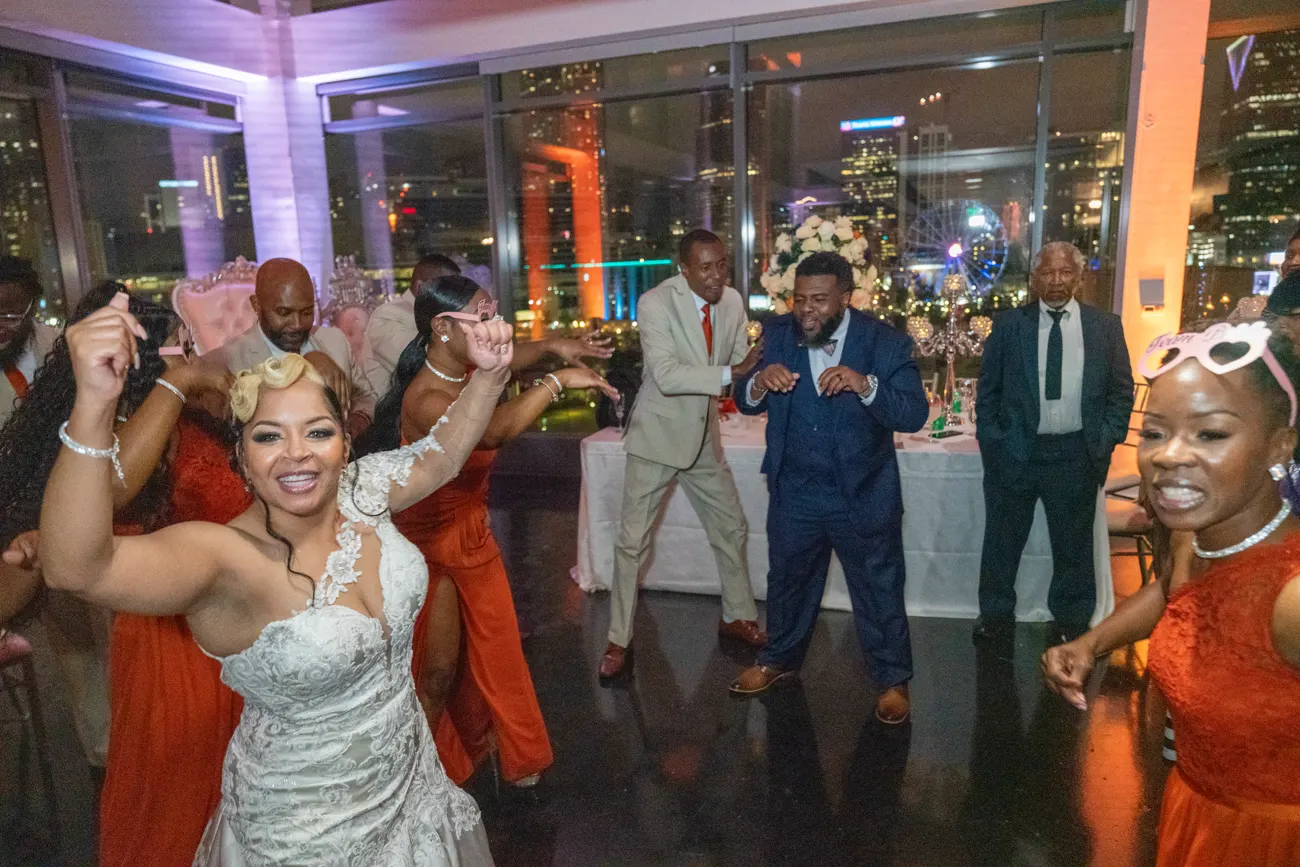
The secret is not treating it as a hard stop. You don’t announce “the program’s over, now dance.” Instead you build a bridge. As the last award wraps, you roll the energy up with a familiar crowd-pleaser, invite people up warmly on the mic, and drive straight into a floor-filler everyone knows. The night flows from one mode to the next without a cold gap in between.
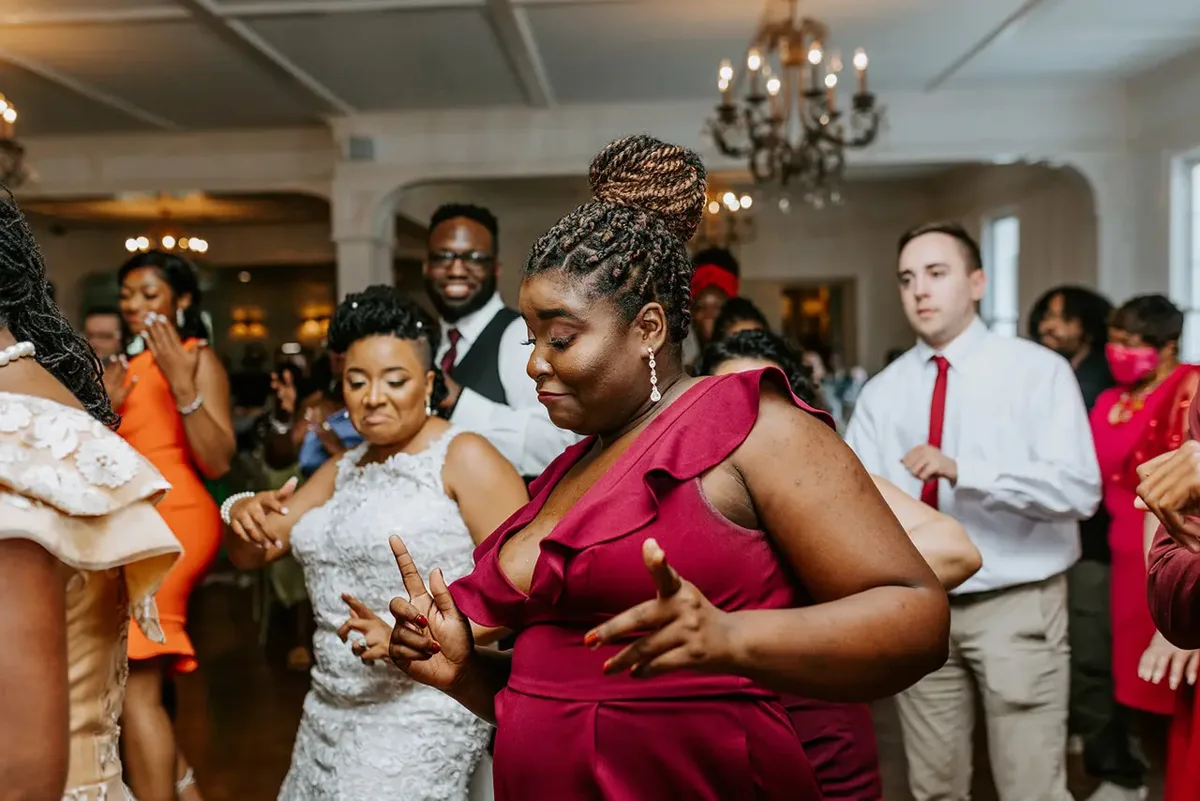
Reading the crowd is everything here. A corporate room sometimes needs a nudge — people are in blazers and heels, not exactly primed to bust a move. So you start with the songs that always work, get a core group up first, and let the floor grow from there. Within a few tracks, the blazers come off and the real party starts. That live feel for the room is exactly why a pro beats a playlist every time.
Sound, mics, and the tech that matters
None of the pacing tricks matter if the room can’t hear the speeches. At a gala, clear sound for the spoken word is job one. A muffled or feedback-y mic during an acceptance speech is the kind of thing guests remember for all the wrong reasons.
So a pro brings the right gear for the room. That means reliable wireless mics with backups on hand, a system sized to the venue, and speakers placed so every table hears clearly without any dead zones. The gear is dialed in and tested before the doors open, not fiddled with while guests watch. Preparation is invisible when it’s done right — and painfully obvious when it isn’t.
Uplighting is worth a mention too. A wash of the company’s brand color across the ballroom walls turns a plain banquet room into a real event space, and it photographs beautifully for the recap. A little ambient room lighting goes a long way toward making a gala feel like the big deal it is. Pair sharp sound with the right glow and the whole night reads as polished. If you want to know who’d be running your program, you can meet your DJ before you book.
Planning your Troy gala
So how do you pull this together for your own event? Start with the run-of-show. Get the award list, the speaker order, and the timing to your DJ early so every cue can be planned instead of improvised. The more detail you share up front, the tighter the night runs.
Then think about the room. A big ballroom off Big Beaver Road plays differently than an intimate space downtown, and the sound plan should match. Walk the venue with your DJ if you can, confirm the mic and speaker setup, and lock the walk-up and winner cues ahead of time. Leave the live reads — pacing tweaks, transition fills, floor timing — to the pro on the night.
At the end of the day, a great gala isn’t about any single moment. It’s about a room that never went cold — where the awards felt sharp, the transitions felt smooth, and the party landed the whole thing on a full floor. That’s the goal. If you’re planning a gala in Troy and want a hand, my Troy event guide covers the local venues and flow — and I’d love to help you run a night that stays sharp start to finish.