Arabic Wedding Timeline: What to Expect
An Arabic wedding is a full-on celebration — loud, joyful, and packed with tradition from the first drumbeat to the last dance. But if you’ve never planned one, the Arabic wedding timeline can feel like a lot of moving parts. When does the zaffa happen? How long is dinner? When does the dabke line start? Here in Dearborn, home to one of the largest Arab-American communities in the country, I’ve run plenty of these nights — so let me walk you through the whole flow, hour by hour, so you know exactly what to expect.
In this article
Guest arrival and cocktail hour
Every great night starts before the big moments. As guests arrive, the room fills with soft background music — usually a warm mix of Arabic classics and light instrumental tracks that let people greet each other and find their tables. This stretch usually runs 45 minutes to an hour.
It’s a relaxed window, but it’s doing real work. The music sets the tone, the uplighting warms up the room, and the energy slowly builds toward the big entrance. A smart Arabic wedding timeline treats this as the calm before the storm — because once the zaffa starts, the energy does not come back down for hours.
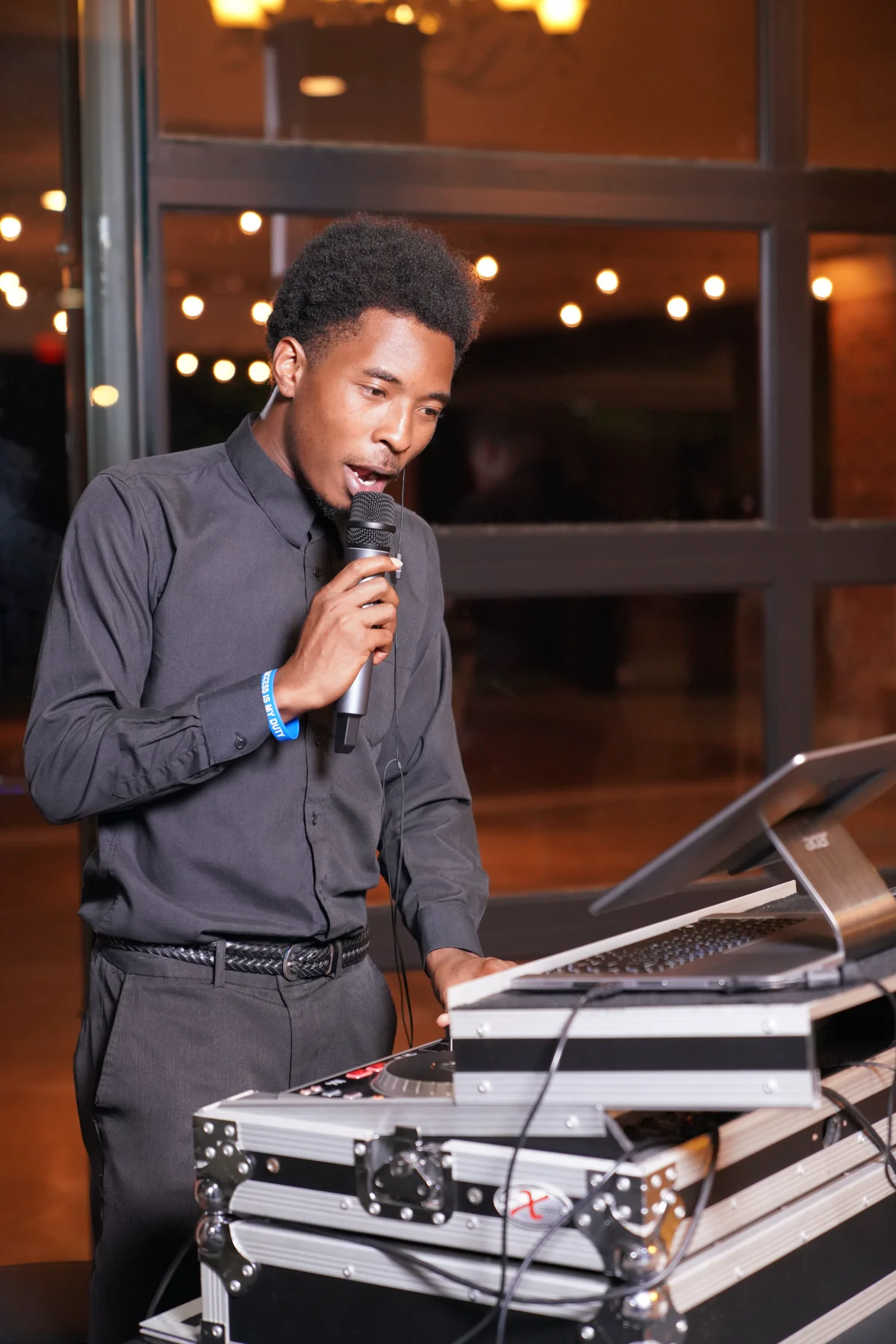
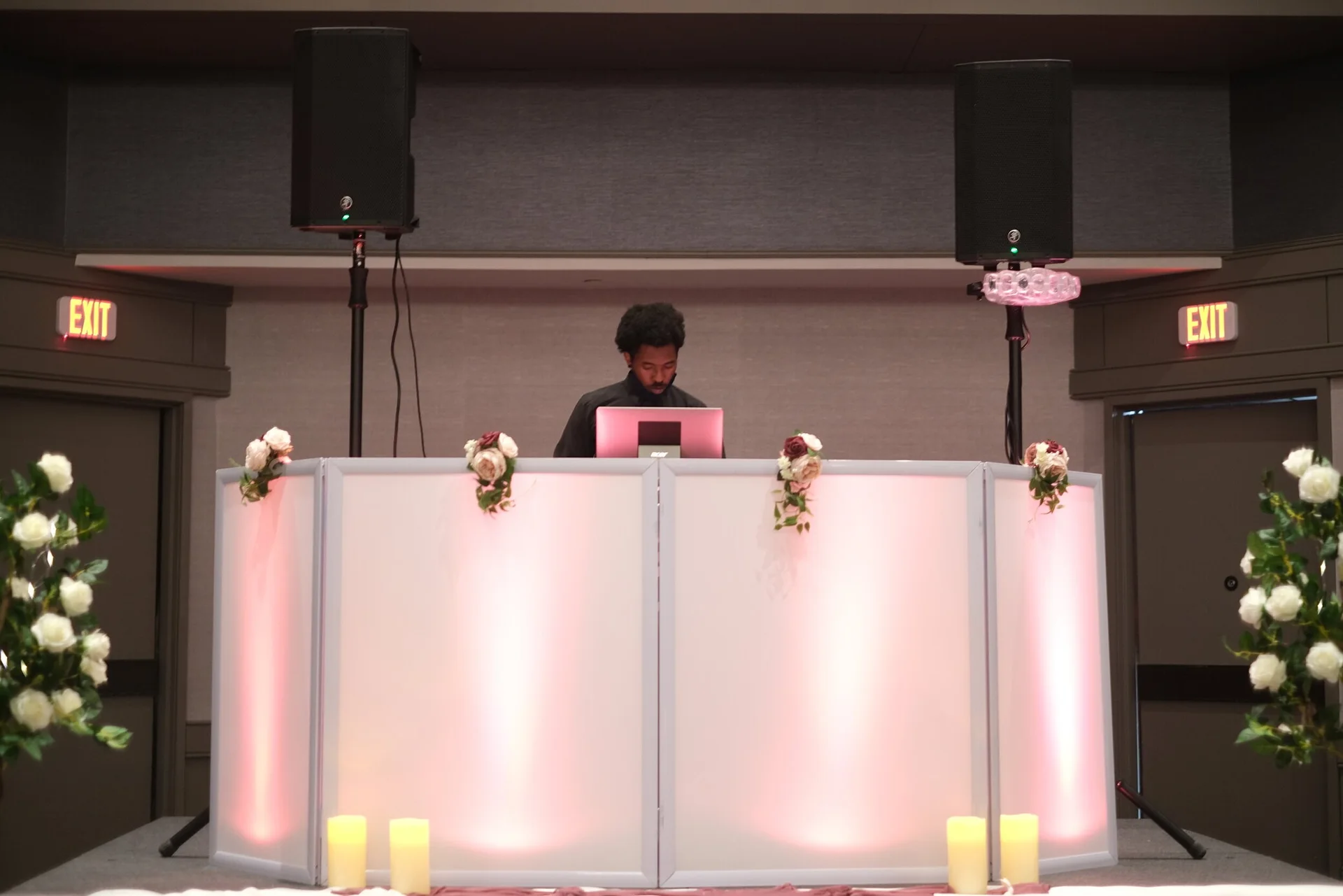
During this time, I’m also doing final sound checks and syncing with the zaffa performers, the photographer, and the venue. Getting these cues locked now means the rest of the night flows without a single awkward pause. If you want the full picture of how I map out an entire reception, my breakdown of how we run your reception covers every stage in order.
The zaffa: the grand entrance
Now the night truly begins. The zaffa is the traditional wedding march that announces the couple, and it is loud in the best possible way. Drummers, brass, sword dancers, and a live procession bring the bride and groom into the hall while the whole room stands, claps, and cheers.
The zaffa usually lasts 10 to 15 minutes and lands right after cocktail hour. Timing it is an art. As the DJ, I coordinate closely with the zaffa band so the handoff between their live drumming and my music is seamless — the beat never drops, the energy never dips. When it’s done right, the couple walks in on a wave of sound that guests remember for years.
Here’s a tip: talk with your DJ and zaffa group ahead of time about exactly where the live performance ends and the recorded music picks up. That single handoff is the most technically tricky moment of the whole night, and nailing it sets the tone for everything after.
Key takeaway: The zaffa is the heartbeat of the night. Coordinate the live drummers and the DJ ahead of time so the handoff is seamless — that one transition makes or breaks the grand entrance.
First dance and the kosha
Right after that thunderous entrance, the mood shifts to something tender. The couple takes their first dance, usually to a romantic Arabic ballad or a slow song that means something to them. After the wall of drums, this quiet moment hits even harder — it’s a beautiful contrast.
Then the couple takes their seats on the kosha, the elegant stage or seating area that serves as the visual centerpiece of the reception. From here, they watch over the celebration like the guests of honor they are. I make sure the kosha is well-lit and that the couple can hear and be heard for any toasts or blessings that follow.
This is also when families often come up to offer congratulations and share a few words. Pacing matters — keep it warm but moving, so the energy from the zaffa doesn’t fully cool before dinner. A good host reads the room and knows exactly when to bring the music back up.
The zaffa brings the thunder; the first dance brings the tears. Putting those two moments back to back is what makes an Arabic wedding feel unforgettable.
Dinner and the calm middle
Every celebration needs a breather, and dinner is it. A generous feast is central to any Arabic wedding, and the food is often spectacular — so the music steps back to let people eat, talk, and recharge for the marathon of dancing ahead.
During dinner I keep things warm and conversational: soft Arabic hits, a little Tarab, maybe some gentle instrumental. Loud enough to feel festive, soft enough that Aunt and Uncle can actually catch up across the table. This stretch usually runs 45 minutes to an hour, depending on how the meal is served.
Don’t underestimate this quiet middle. It’s a strategic reset. Guests fuel up, the room relaxes, and everyone gets a second wind — because the moment the plates clear, the floor is about to explode and stay packed for the rest of the night. For more ideas on pacing a celebration, browse more wedding tips whenever you’re planning.
Dabke and open dancing
Here’s what a lot of couples don’t fully picture until they see it: once the dabke line forms, it barely stops for the rest of the night. The dabke is the traditional line dance, and it is the beating heart of the party — a chain of guests stomping, hopping, and moving in perfect rhythm, led by whoever knows the steps best.
As the DJ, my job is to feed that fire with the right dabke tracks and read when to switch songs to keep the line fresh and long. I’ll blend traditional dabke with popular Arabic party anthems, and mix in some Western hits too, so every generation and every guest stays on the floor. The history of the dabke stretches back generations across the Levant, and you can feel that heritage in the room when the whole floor moves as one.
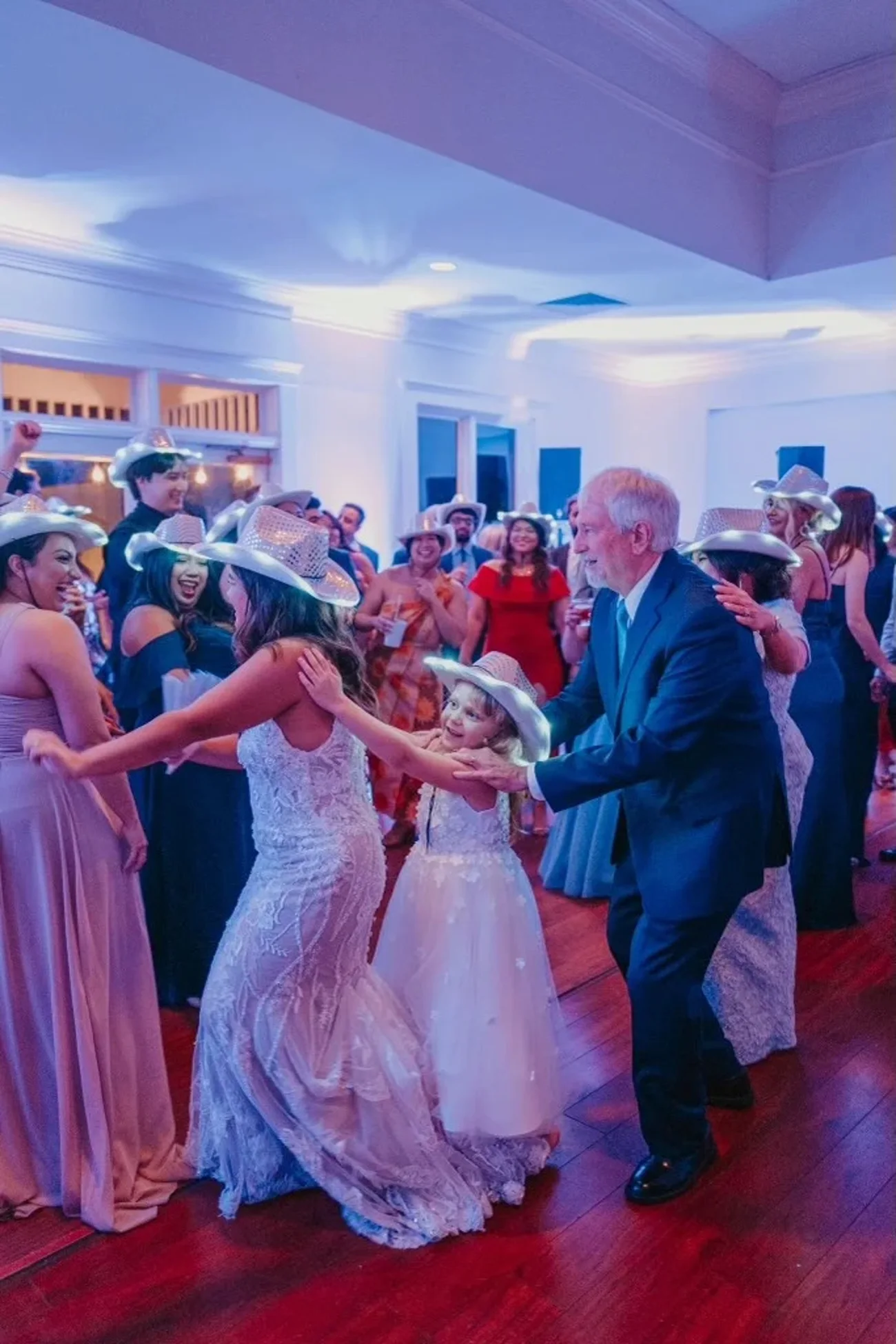
This open-dancing block is the longest stretch of the night, often two to three hours. The energy comes in waves — big dabke lines, then a popular sing-along, then back to the line. A DJ who reads those waves keeps the floor packed instead of letting it drain between songs.
Late-night energy and the send-off
As the night rolls on, the party often gets bigger, not smaller. Arabic weddings are famous for going late, and the last hour is frequently the wildest — the crowd that’s still there is the crowd that wants to dance until the lights come up.
This is when I lean into the biggest anthems and the crowd favorites everyone’s been waiting for. Sometimes there’s a cake cutting or a sweets moment worked in, and I time the music around it so nothing interrupts the flow. The goal is to ride the peak all the way to the end, then land the night on a high note.
For the send-off, I’ll cue one final, unforgettable song — something that sends the couple out on a roar of applause. A great ending is its own art, and it leaves everyone buzzing on the way to their cars. According to The Knot’s reception planning guide, a strong, well-timed finish is one of the details guests remember most — and Arabic weddings finish loud.
Why the DJ makes the timeline work
You can see the theme by now: every stage of this night hands off to the next, and the DJ is the one holding it all together. From the cocktail-hour calm to the zaffa’s thunder to hours of dabke, someone has to feel the room and hit each transition at exactly the right second.
That’s why cultural experience matters so much for an Arabic wedding. Knowing the traditions, the music, and the flow means I’m never guessing — I coordinate the zaffa handoff, read the dabke waves, and keep the bilingual announcements smooth for every guest. I only take one wedding a day, so your night gets my full focus from the first drumbeat to the last song.
Planning a celebration in Dearborn or anywhere across Metro Detroit? My Detroit wedding guide lays out the whole picture, and you can always meet your DJ before you book. Dates fill fast in wedding season, so if you have one in mind, let’s check it while it’s still open — and start planning the party of a lifetime.