Arabic Wedding DJ Dearborn: What to Know
Dearborn throws some of the best weddings in the country, and the music is a huge part of why. If you’re hiring an Arabic wedding DJ in Dearborn, you need someone who knows the zaffa isn’t just a song, the dabke line will run for twenty minutes, and half the room speaks two languages at once. I’ve worked these celebrations across the area, so this guide walks you through what actually makes an Arabic reception sing — from the grand entrance to the last dabke of the night.
In this article
The zaffa: your grand entrance
Let’s start where the party starts — the zaffa. This is the traditional wedding march that announces the couple, and in Dearborn it’s often the loudest, proudest moment of the whole night. Drummers, singing, clapping, sometimes a live band or a full procession leading you into the hall. It sets the tone for everything after.
A good DJ builds the zaffa like a runway. I cue the entrance track, ride the drum hits, and time the reveal so the couple walks in right as the energy peaks. If you’re bringing a live zaffa group, I coordinate with them so the handoff from live drums to the sound system is smooth, not a jarring gap. Nobody should hear a dead second between the procession and the first dance.
Timing is everything here. Walk in too early and the room isn’t ready. Too late and the buildup fizzles. That’s the kind of thing an experienced Arabic wedding DJ in Dearborn gets right by instinct, because we’ve done it many times. If you want a fuller picture of how a whole reception flows, my rundown of how we run your day covers every beat.
Keeping the dabke line alive
If the zaffa opens the night, the dabke keeps it going. This is the line dance where guests link shoulders, stomp, and move as one long chain around the floor. When it’s rolling, it’s electric — and it can run far longer than you’d expect. My job is to feed that line without letting it lose steam.
That means having the right tracks queued and knowing the tempo the crowd wants. Some families love a faster, harder dabke; others prefer a steadier groove that grandma can join. I read which way the room leans and stack the set to match. When one song ends, the next has to hit before the line breaks, or you lose the whole chain.
Here’s what a lot of couples miss: the dabke isn’t one song, it’s a marathon set you have to pace. Push too hard too fast and people gas out. So I build waves — peaks and small breathers — so guests can dance for an hour without collapsing. That pacing is the difference between a dabke that dies at song three and one that shuts the venue down at midnight.
Key takeaway: An Arabic reception lives on two pillars — a perfectly timed zaffa and a dabke line that never breaks. Both come down to a DJ who knows the music, paces the energy, and cues the next track before the last one fades.
Why a bilingual MC matters
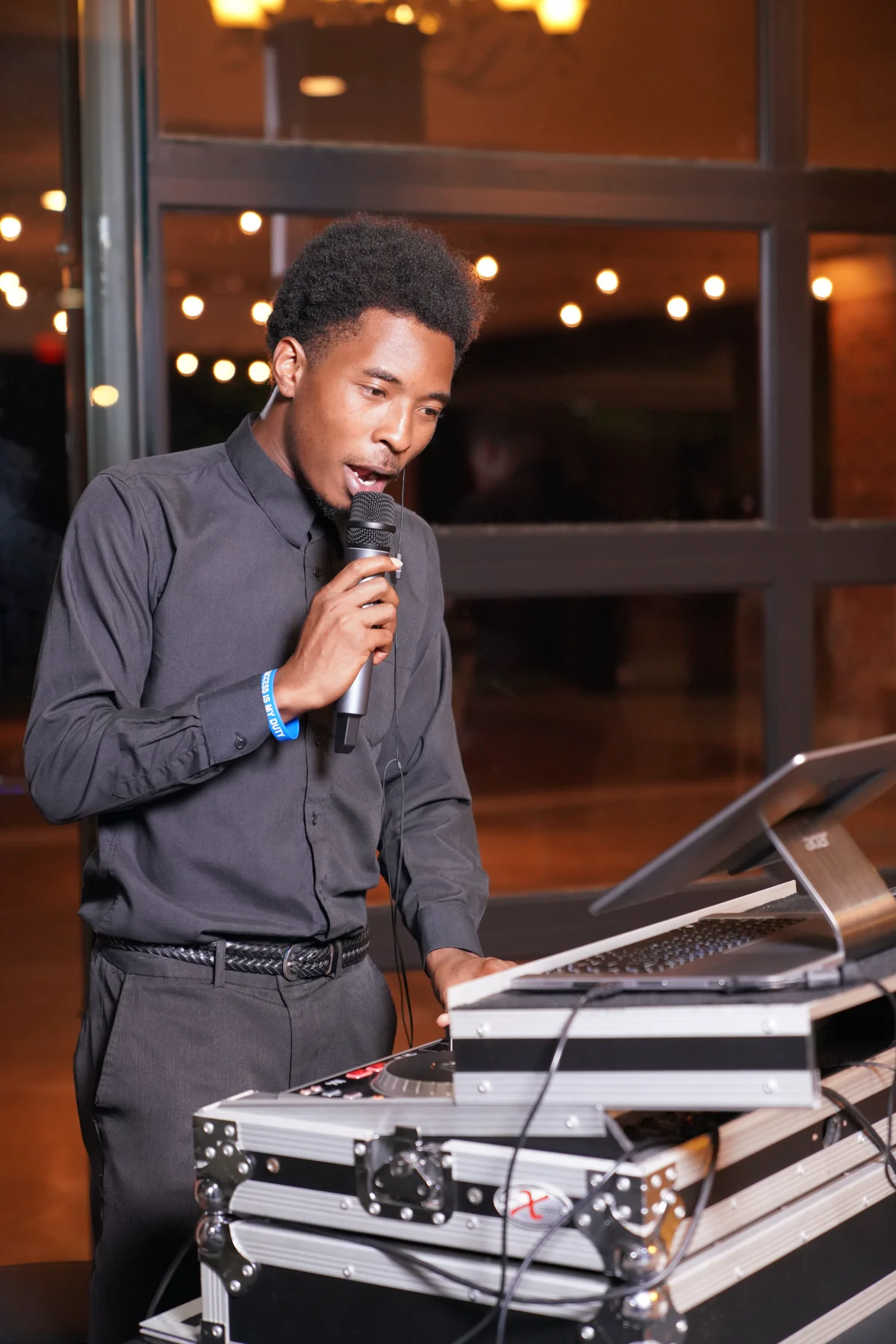
Announcements make or break a big cultural wedding, and Dearborn crowds often blend Arabic and English speakers in the same room. A good MC bridges both. Whether it’s welcoming elders, calling the couple in, or inviting everyone to the dabke, the words need to land clearly for every generation present.
I keep announcements warm and simple, and I coordinate ahead of time on any Arabic phrases, name pronunciations, and family titles that matter. Getting a grandfather’s name right, or greeting the mothers properly, tells your guests this night was planned with real care. Little details, big respect.
If Arabic-language emceeing is essential for your family, we’ll plan that early — sometimes I partner with a bilingual host or a live zaffa MC so nothing gets lost. The point is that no guest ever feels left out of the moment because of a language gap.
A Dearborn wedding isn’t background music with a few Arabic songs sprinkled in. It’s a full celebration built around the zaffa, the dabke, and every guest feeling seen — in whatever language they speak.
Blending Arabic and American hits
Most Dearborn weddings aren’t only-Arabic or only-American — they’re both, all night. You’ve got aunties who want classic Arabic anthems and cousins who want the latest Top 40 and hip-hop. The magic is weaving them so smoothly that nobody ever feels like it’s “their turn” to sit down.
The way I handle it is by reading the floor in real time. A big dabke set, then a current pop smash to grab the younger crowd, then back to an Arabic favorite before the elders drift off. Done right, the transitions disappear and everyone stays up. According to Zola’s guide to wedding traditions, blending cultural music with modern hits is one of the most-loved ways couples make a reception feel like both families at once.
I plan the must-plays with you in advance — the songs your family expects, the ones that make your mom cry, the anthem your friends will scream. Then I fill the gaps live. It’s your celebration, built around your people, not a template I reuse for everyone.
Reading the family and the crowd
Every Arabic wedding has its own rhythm, shaped by the families in the room. Some lean traditional, with long dabke sets and mostly Arabic music. Others want a modern party with cultural highlights. Neither is right or wrong — the trick is knowing which one you want before the night starts.
That’s why I meet with you first. We talk through your family’s expectations, the moments that matter most, and any songs that are absolute must-plays or hard no’s. Then on the night, I watch the floor and adjust. When the elders start heading for their seats, I drop something that pulls them back. When the young crowd takes over, I ride it.
Because I only book one wedding a day, your celebration gets my full focus — not a rushed setup squeezed between two other events. For more ideas as you plan, browse more wedding tips on the blog whenever you like.
Sound and live drums done right
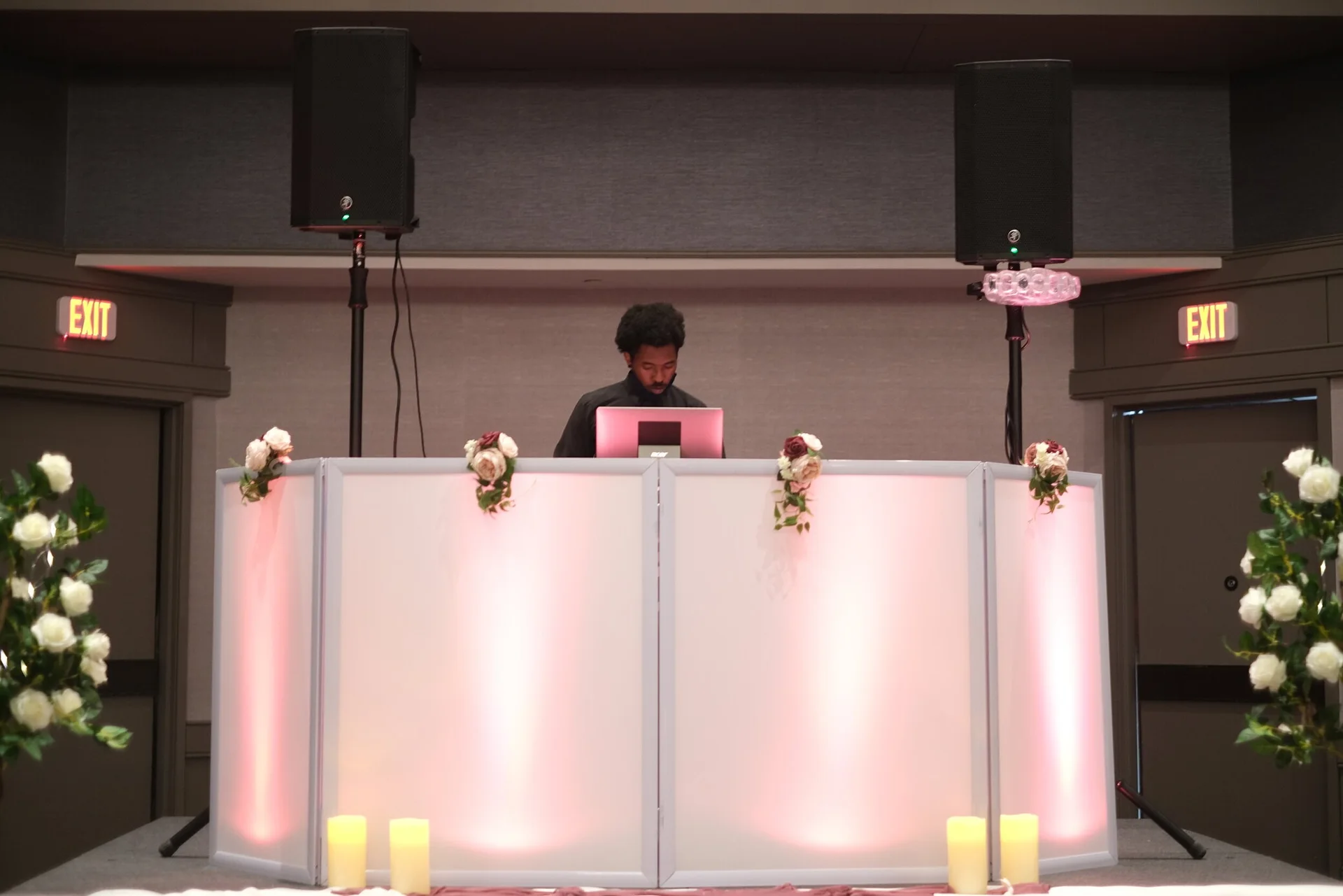
Big Dearborn halls need real sound, and Arabic weddings push a system hard — heavy drums, long high-energy sets, a packed floor. I bring a system sized to the room and tune it before the doors open, so the dabke hits with power but the vocals and announcements stay clean.
If you’re adding live drummers or a zaffa band, I plan the audio so their sound and mine blend instead of clashing. Live percussion is thrilling, but it needs a DJ who knows how to sit the mix under it. Backup gear rides with me every time too — spare speakers, spare mics — because “the sound cut out” is not a story you want from your wedding.
Want to add a glow to match the energy? Warm uplighting turns a big banquet hall into something unforgettable. Here’s how we wash a room in your colors to match your palette.
Planning your Dearborn celebration
So how do we pull it all together? It starts with a real conversation. You tell me your traditions, your must-plays, your family’s style, and how much dabke versus dance-floor pop you want. I map the zaffa, the timeline, and the sets around that. By your date, nothing is improvised.
Dearborn is home to some of the largest banquet halls in the region, and they fill up fast in wedding season. The sooner we lock your date, the more time we have to plan the details that make an Arabic wedding truly yours.
If you want to see how I handle weddings across the city, my Dearborn wedding guide covers the whole picture, and you can always meet your DJ before you book. Have a date in mind? Let’s check it while it’s still open.