Arabic American Wedding Music, Blended Right
Here’s the beautiful challenge of an Arabic American wedding: you’ve got two music worlds in one night, and both matter. On one side, the zaffa, the dabke, and the Arabic pop that gets every generation on their feet. On the other, the Western hits your friends grew up on. The goal isn’t to pick one — it’s to blend them so smoothly nobody feels left out. I do this all the time for Dearborn couples, and here’s exactly how the two playlists become one great party.
In this article
Two playlists, one night
Let’s start with the big picture. An Arabic American wedding usually carries two full musical identities, and a good DJ has to honor both. Your parents and grandparents came for the classics they love. Your college friends came ready to dance to today’s hits. If a DJ only plays one side, half the room ends up sitting down.
So the real skill isn’t knowing a lot of Arabic songs or a lot of Western songs. It’s knowing how to move between them without a jarring stop. When the transition is right, Grandma never leaves the floor and neither do your friends — they just dance to different songs, minutes apart.
That balance is the whole job. I plan the night as one flowing set with two flavors, not two separate parties stapled together. The Dearborn area has one of the richest Arab American communities in the country, so these weddings are big, warm, and full of family — and that energy is a gift to work with when you plan it right.
The zaffa: your grand entrance
No Arabic wedding really begins until the zaffa. This is the musical procession that welcomes the couple — drummers, energy, and everyone on their feet clapping. It’s loud, it’s joyful, and it sets the tone for the entire reception. Get it right and the room is electric before the first course even lands.
As the DJ, my job is to time the zaffa perfectly with the doors, the lighting, and the live drummers or recorded track you choose. I coordinate with the zaffa group ahead of time so the handoff from procession to reception music is seamless and the energy never dips. The organization behind Dearborn’s Arab American National Museum documents just how central these musical traditions are to the community, and honoring that heritage properly is a big part of my planning.
After the zaffa peaks, I bring the room down gently into the first dance or dinner, so guests catch their breath. That rise-and-settle rhythm is what keeps a long reception from burning out too early.
Key takeaway: The zaffa isn’t just an entrance — it’s the emotional peak that launches the night. Time it right, coordinate with the drummers, then ease the room down so guests have somewhere higher to climb later.
Running the dabke line
If there’s one moment that defines the dance floor, it’s the dabke. This is the line dance where guests link arms or shoulders, stomp in rhythm, and move as one long chain around the room. When it hits, the whole floor fills, and it’s genuinely one of the most fun things a DJ gets to run.
The trick with dabke is momentum. I cue a run of dabke tracks back to back so the line never breaks, and I read the floor to know when to stretch it and when to let it rest. Too short and people feel cheated; too long and even the strongest dancers tire out. Timing is everything.
I also keep the sound punchy and clear so the beat carries the line — a muddy mix kills a dabke fast. If you want the full breakdown of how a reception flows from entrance to last song, my guide to how we run your whole day lays out every piece in order.
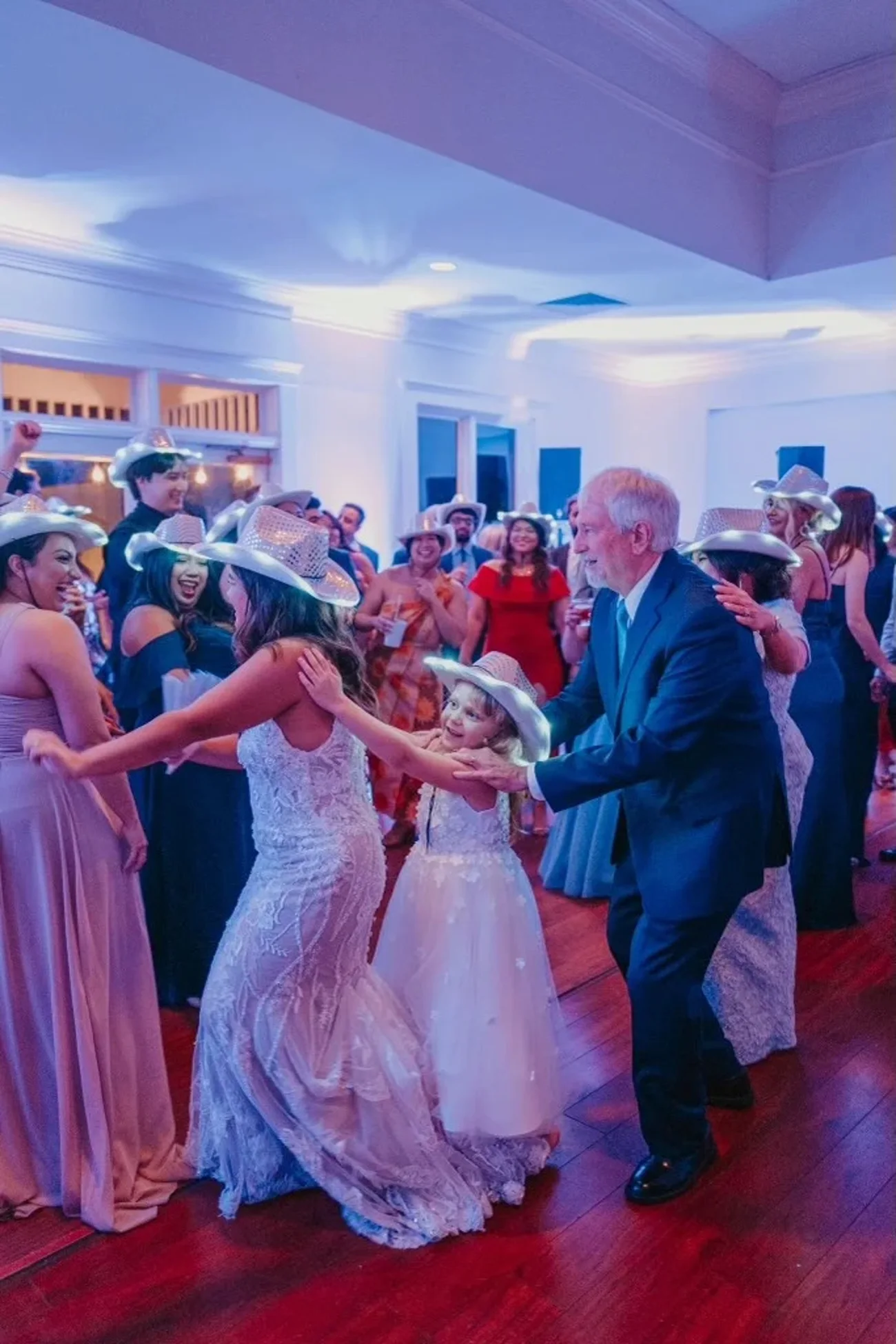
A great Arabic American wedding isn’t Arabic songs and then American songs. It’s one floor, one energy, where the eighty-year-old and the twenty-year-old are dancing at the same time.
Blending Arabic and Western sets
Here’s where the craft really shows. Bouncing between an Arabic pop anthem and a current Western hit sounds simple, but a clumsy transition can empty a floor in seconds. The secret is matching energy and tempo, not genre.
So instead of thinking “Arabic song, then English song,” I think in energy waves. I’ll ride a high Arabic set, then slide into a Western track at a similar tempo so the dancers barely notice the switch — they just keep moving. Later I’ll flip it, using a familiar English hit to pull the younger crowd up, then swing back to a dabke to bring the family back in.
I also mind the language balance across the night, making sure neither side goes too long without a song that’s theirs. According to wedding planners at Brides, blended-culture receptions succeed when every guest hears something familiar within a few songs — and that’s exactly the rhythm I aim for.
Reading a multi-generation crowd
Here’s what a lot of couples miss: at an Arabic American wedding, four generations are often on the floor at once, and they don’t all want the same thing. That’s a beautiful problem to have, but it takes a DJ who’s actually watching the room.
When I see the elders starting to drift toward their tables, I’ll drop a classic that pulls them right back. When the younger crowd’s energy spikes, I ride it with a run of current hits. The dabke and zaffa are the great unifiers — those get everybody up — so I use them as anchor points and build around them all night.
This is live work, not a locked playlist. You tell me your must-plays and your absolute no-list up front, then I read the floor and fill the rest in real time. It’s your family’s night, shaped around your people — not a template I reuse for everyone.
Planning it with your DJ
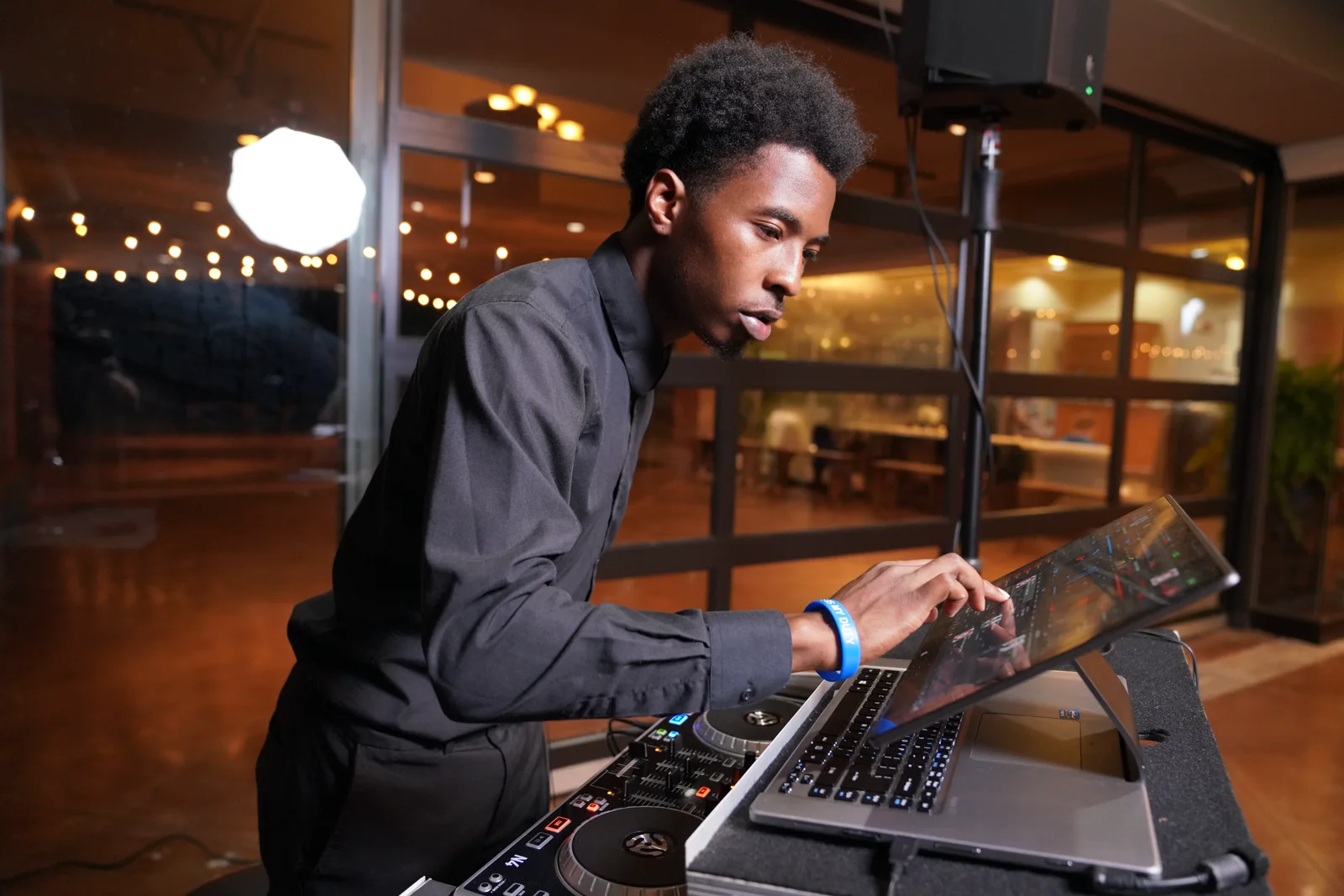
A blended wedding lives or dies on the planning meeting. Before your date, we sit down and map the whole night: the zaffa cue, the first dance, the dinner set, and the big open-floor stretch where Arabic and Western trade off. The more you tell me, the smoother the night runs.
I’ll ask for your family’s must-play Arabic classics, your friends’ favorite Western hits, and any songs that are absolutely off the table. I’ll also confirm the zaffa details — live drummers or track, entrance timing, and who’s in the procession. Nailing these down early is what makes the night feel effortless.
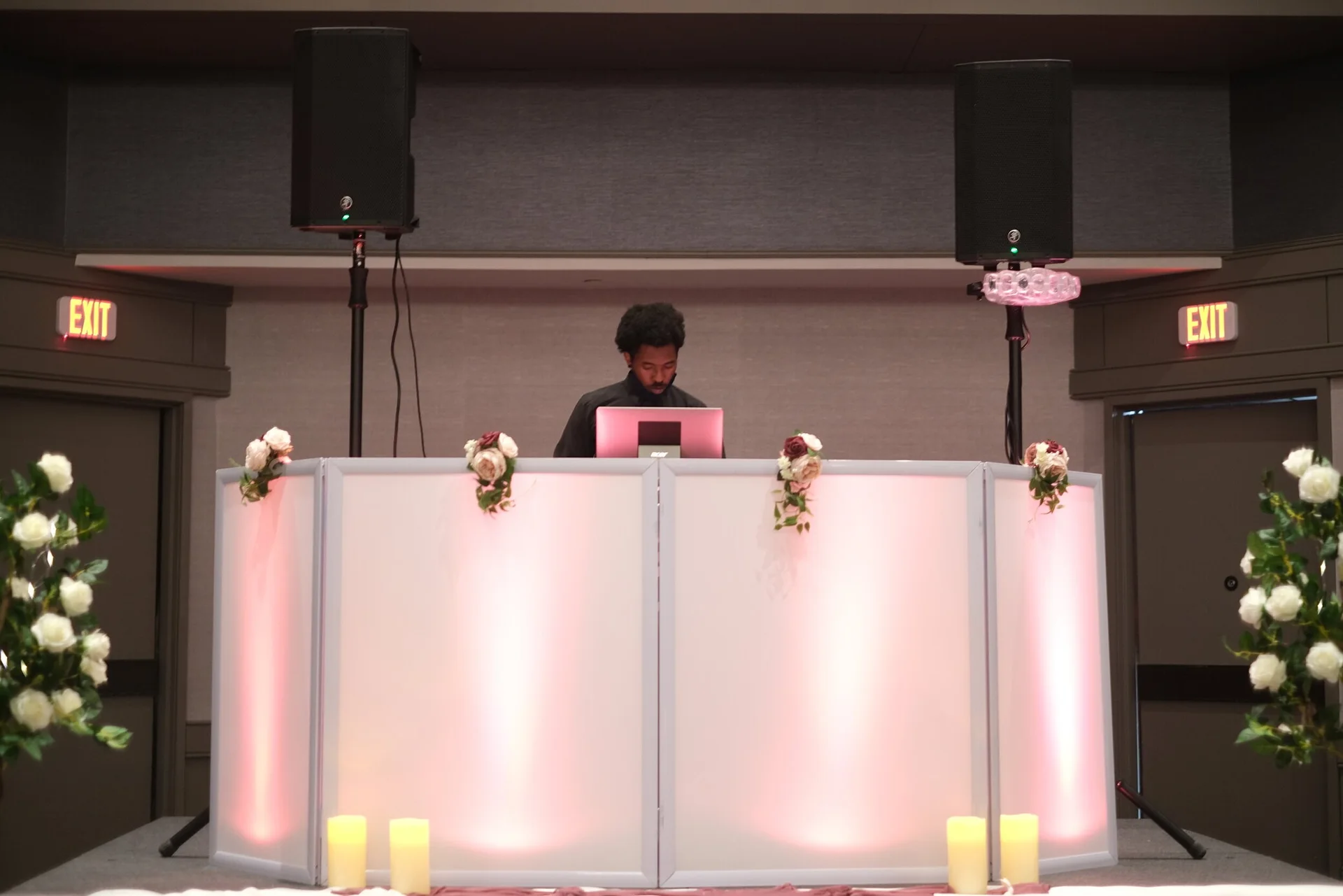
Because I only take one wedding a day, your reception gets my full focus — no rushed setup squeezed between other events. Want a wider view of local celebrations and venues? My Detroit wedding guide covers the whole picture for couples across the metro, and you’ll find more wedding tips on the blog anytime.
Why couples trust Skan
There are plenty of DJs in Metro Detroit, so why do Dearborn couples keep booking me for their blended weddings? It comes down to respect and range. I don’t treat the Arabic set as an afterthought or the Western set as filler — both get real attention and real energy.
I’ve got the library, the transitions, and the crowd-reading to keep two music worlds moving as one. I coordinate with your zaffa group, I mind the language balance, and I plan every cue with you first. Add in a 5.0 Google rating and over a decade behind the decks, and you get a DJ who shows up ready, not guessing.
Most of all, I genuinely love these weddings — the size, the warmth, the way the whole family dances. If you want to know who you’re hiring before you book, you can meet your DJ here, and then we’ll check your date. Prime weekends fill fast in wedding season, so let’s lock yours while it’s open.