Ann Arbor Wedding Venues a DJ Loves to Play
Picking your spot is the biggest choice you’ll make, so let’s talk about it from the booth. I’ve played most of the great Ann Arbor wedding venues — the historic ballrooms, the barns just outside town, the country clubs with a view — and every one has its own personality. Some rooms hand you a packed floor. Others need a little coaxing. This guide walks you through the ones I love, and how a good DJ makes each of them sing.
In this article
Why the venue shapes your whole night
Here’s the thing most couples learn late: the room does half the work. A space with warm wood, low ceilings, and a real dance floor practically throws the party for you. A soaring hall with marble and glass looks stunning in photos, but it can scatter sound and leave the back tables feeling miles away. Neither is bad — they just need different plans.
That’s why I ask where you’re getting married before we talk about a single song. Once I know the room, I know how to load in, where to set the booth, and how loud is too loud. The best Ann Arbor wedding venues each reward a DJ who’s stood in them before and already knows their quirks.
So let’s go room by room. I’ll group them the way I actually think about them: downtown history, open-air charm, and the polished club-and-hotel crowd.
Historic ballrooms downtown
Downtown Ann Arbor has real character, and its historic rooms lean into it. The Michigan League Ballroom near the University of Michigan campus is a favorite — tall windows, classic trim, and a floor that fills fast once dinner clears. Spaces like this feel timeless, and they photograph beautifully in the golden light off State Street.
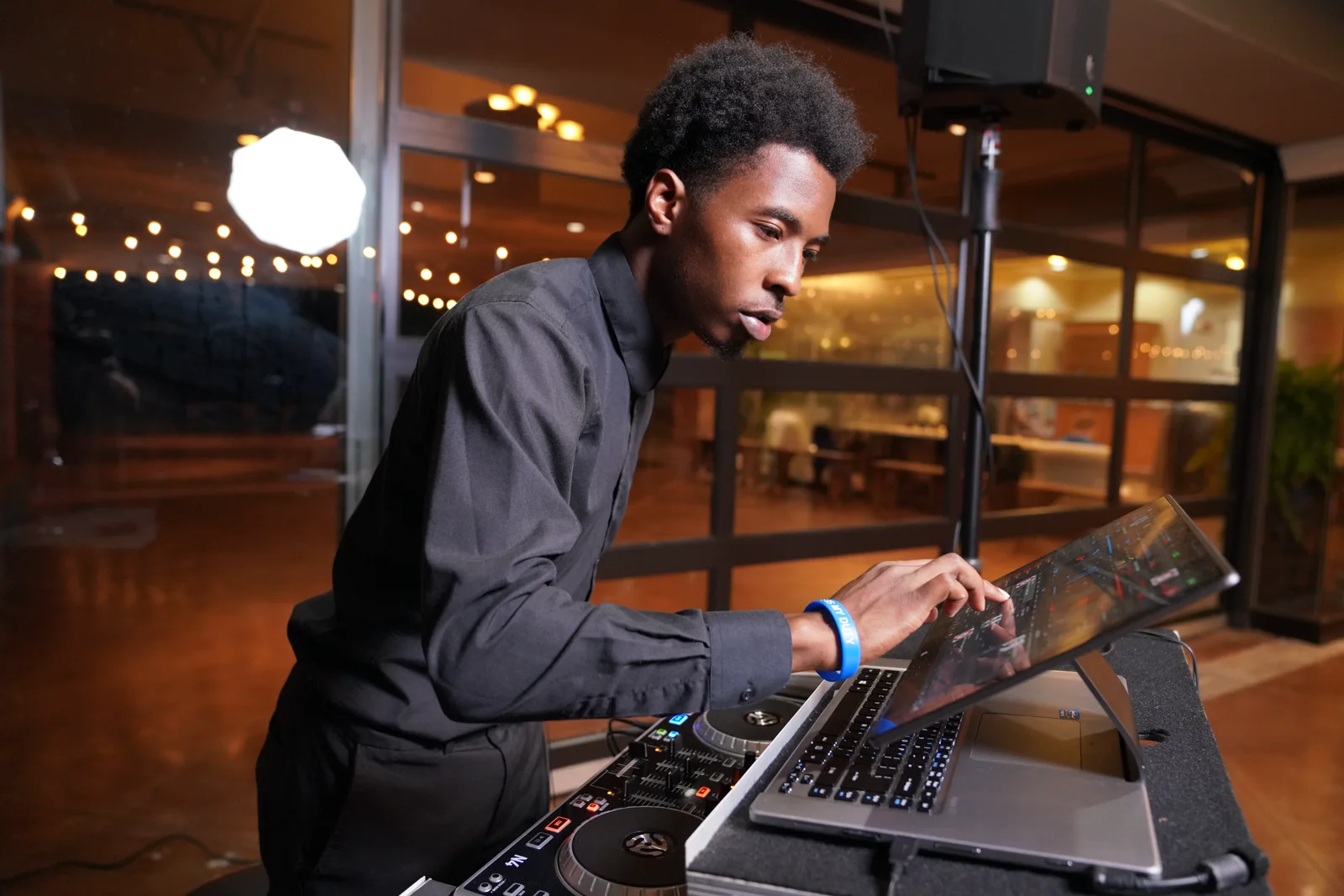
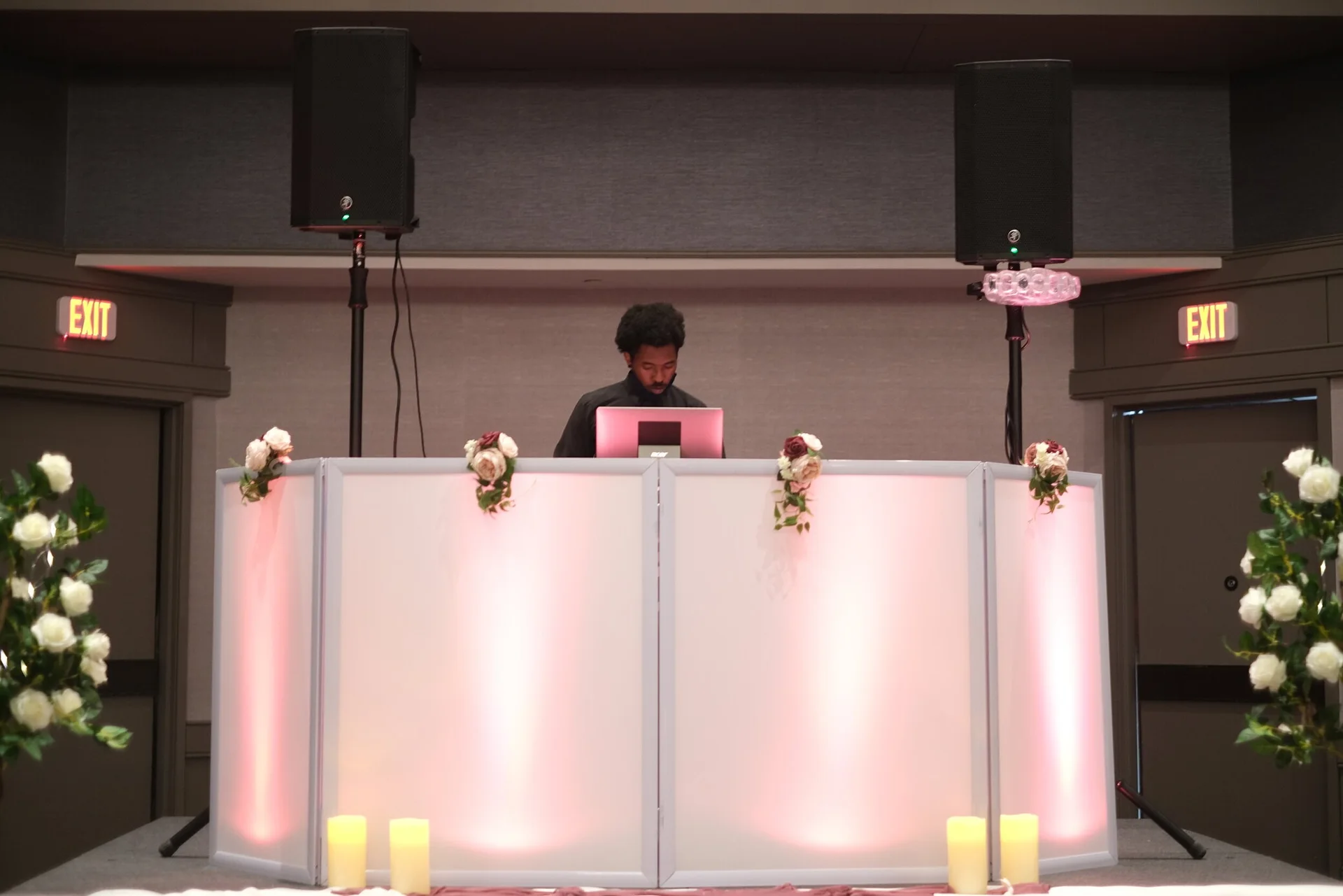
The catch with older halls is acoustics. Hard plaster and high ceilings bounce sound around, so an untuned system turns your first dance into an echo. I set up two hours early and tune the mix to the actual room, empty and then imagining it full of guests soaking up that echo. Done right, your vows stay crisp and your dance set hits without rattling the chandeliers.
These downtown rooms also sit close to the walkable core near Main Street, which your out-of-town guests will love. Fewer people driving means a livelier, later dance floor — and that’s exactly what I plan for.
Key takeaway: Historic downtown ballrooms look incredible but bounce sound. A DJ who tunes the system to the room — not just the gear — keeps your ceremony, toasts, and first dance clean from the head table to the back wall.
Farms and gardens on the edge of town
Just outside the city, the vibe changes completely. Cobblestone Farm on the south side gives you a restored 1800s homestead with a barn and open lawns, and a short drive west toward Dexter you’ll find rustic-elegant spots like Zingerman’s Cornman Farms. For nature lovers, Matthaei Botanical Gardens brings greenery you can’t fake. These rooms feel personal, relaxed, and a little magical.
Outdoor and barn venues come with two honest challenges: power and weather. Barns rarely have the clean, dedicated power a big sound rig wants, so I plan the electrical ahead and bring backup so nothing trips a breaker mid-dance. And if your ceremony is on the lawn, I set a separate sound zone out there so your vows carry over the breeze instead of getting lost in it.
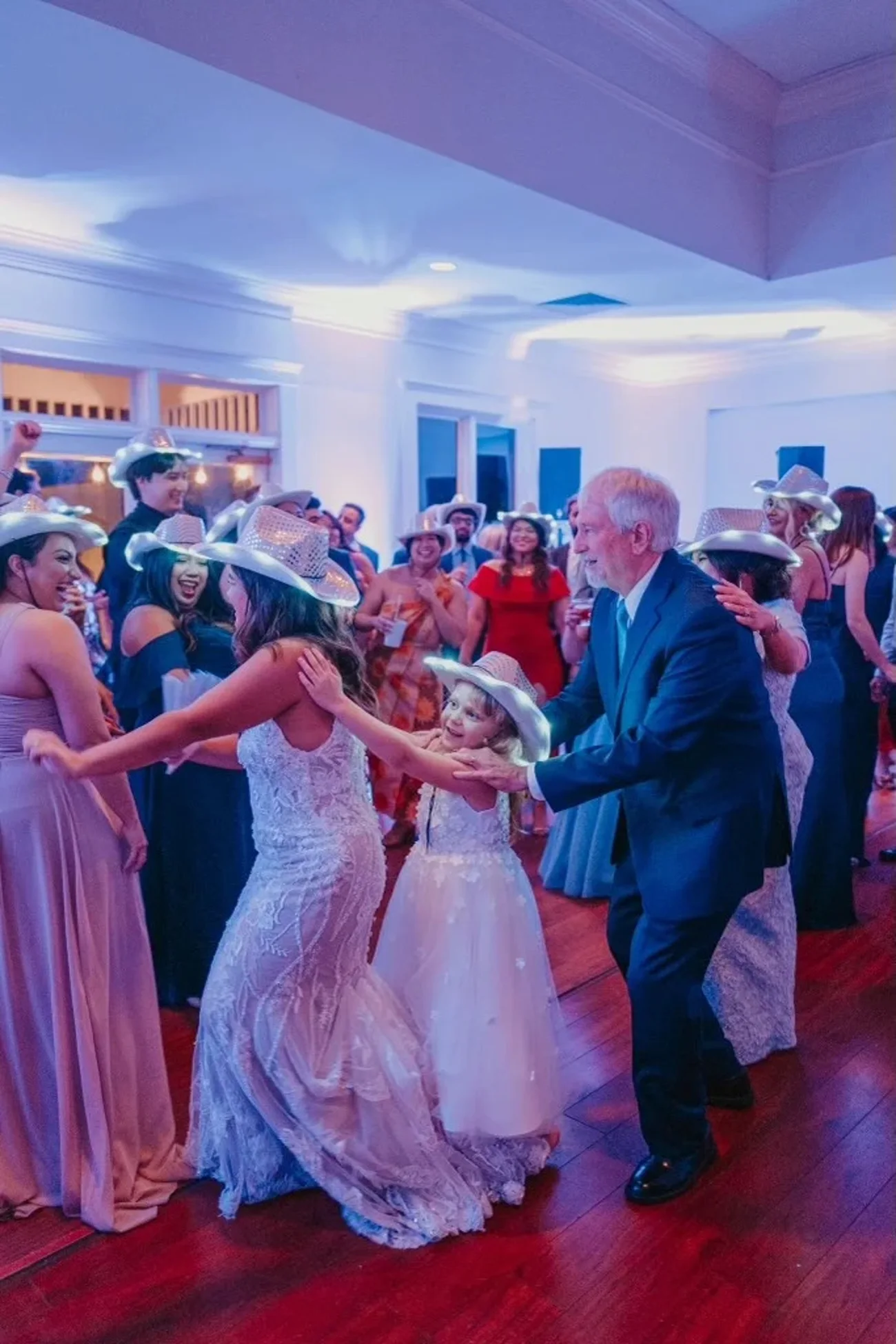
The payoff is worth the planning. When the sun drops and string lights flick on over a barn floor, the energy is unbeatable. Guests who swore they wouldn’t dance are suddenly out there in their socks.
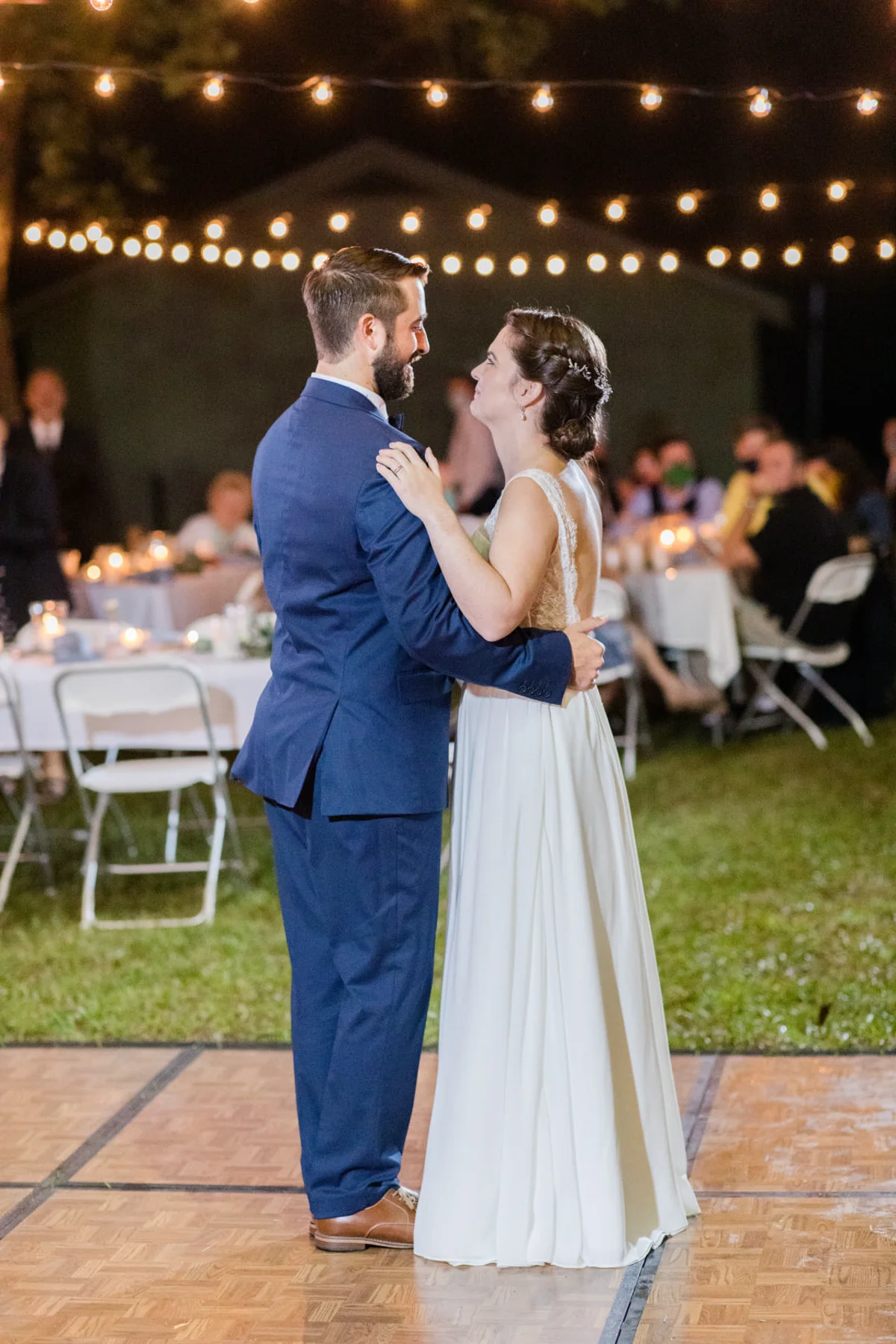
Here’s what a lot of couples miss with outdoor venues: the ceremony and reception often sit in two different spots on the property. That means the DJ has to cover both without a scramble. Because I plan the layout in advance, your guests never stand around in silence while gear gets hauled from the lawn to the barn. The music follows the party.
Country clubs and hotel ballrooms
If you want polish and easy logistics, Ann Arbor’s clubs and hotels deliver. Barton Hills Country Club offers a classic golf-course view, the Ann Arbor City Club brings understated elegance, and Weber’s has hosted local celebrations for generations with an on-site hotel that makes the night easy for guests. These rooms come with staff who run a tight ship, and that makes my job smoother too.
The one thing to watch at clubs and hotels is house rules — end times, volume limits, and load-in windows. I sort all of that with the venue coordinator before your date, so there are no surprises when the party’s peaking. A DJ who already speaks the venue’s language keeps the night flowing instead of fighting the clock.
Since I only take one wedding a day, your club reception gets my full setup and my full focus — never a rushed load-in squeezed between two other events. If you want the full picture of how I run a reception start to finish, my breakdown of your wedding day walks through every piece in order.
Sound: what each room type needs
Every venue category asks something different from the sound. Big historic halls need even coverage so the back corner hears the same clean mix as the head table — not more volume, just smarter placement. Barns need a plan for power and a separate outdoor ceremony zone. Clubs need a DJ who respects the house limits while still filling the floor.
Wireless mics matter everywhere. Officiant, toasts, that uncle with “just a few words” — a dead mic during a heartfelt speech is the one memory nobody wants. So I bring backups and test every channel before the doors open, no matter which room we’re in.
The venue writes the first draft of the night. My job is to read what the room is already doing and push it exactly where you want it to go.
That’s the real advantage of hiring someone who’s played these rooms. The first time a DJ works a big Ann Arbor hall or a barn on the county line, they’re guessing about acoustics and power. By now, I’m not guessing — and your night is not the place to find out.
Building a timeline that fits the space
A great timeline isn’t one-size-fits-all; it bends to the venue. In a hotel ballroom with plated dinner, I pace announcements around the courses so nobody gets called to dance two minutes before the entrees land. In a barn with a buffet and a lawn, the flow is looser and more relaxed, and the timeline leans into that.
Either way, the shape is similar. A high-energy grand entrance, a first dance while everyone’s still seated and watching, warm background music through dinner, then toasts and parent dances before we open the floor and don’t look back. I build that with you, using your must-plays, your do-not-play list, and the cultural moments your family cares about.
The point is that your night should feel like yours, not a template I reuse for everyone. You know your people. I know how to keep them dancing. Together that’s a floor that stays packed till the lights come up.
Questions to ask before you sign
Before you book any venue, ask a few practical things: What time does music have to end? Are there volume limits? Where’s the load-in door and is there dedicated power? Can the ceremony and reception happen in the same building, or will guests move? The answers shape your day more than the wallpaper does.
For a wider view of local options, sites like The Knot’s Ann Arbor venue marketplace and WeddingWire are handy for comparing capacity and pricing side by side. Use them to build a short list, then tour your top few in person — a room always feels different when you’re standing in it.
Once you’ve picked your spot, that’s when I come in. Tell me the venue and I’ll tell you exactly how I’d run it. If you’re still weighing options across the area, my Ann Arbor wedding guide goes deeper on the whole day, you can skim more wedding tips anytime, and it’s easy to get to know your DJ before you commit. Dates fill fast in wedding season, so if you’ve got one in mind, let’s check it while it’s still open.