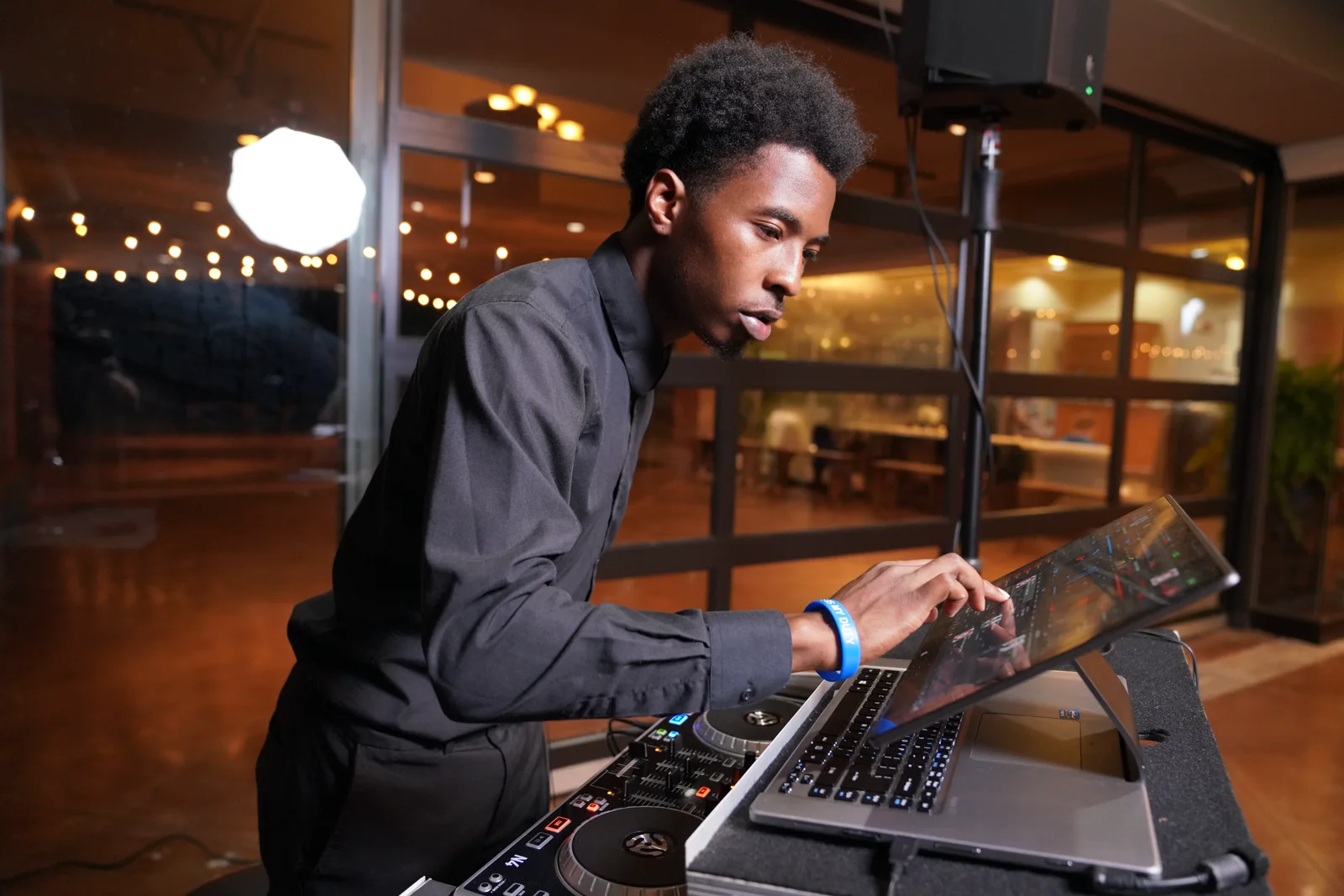
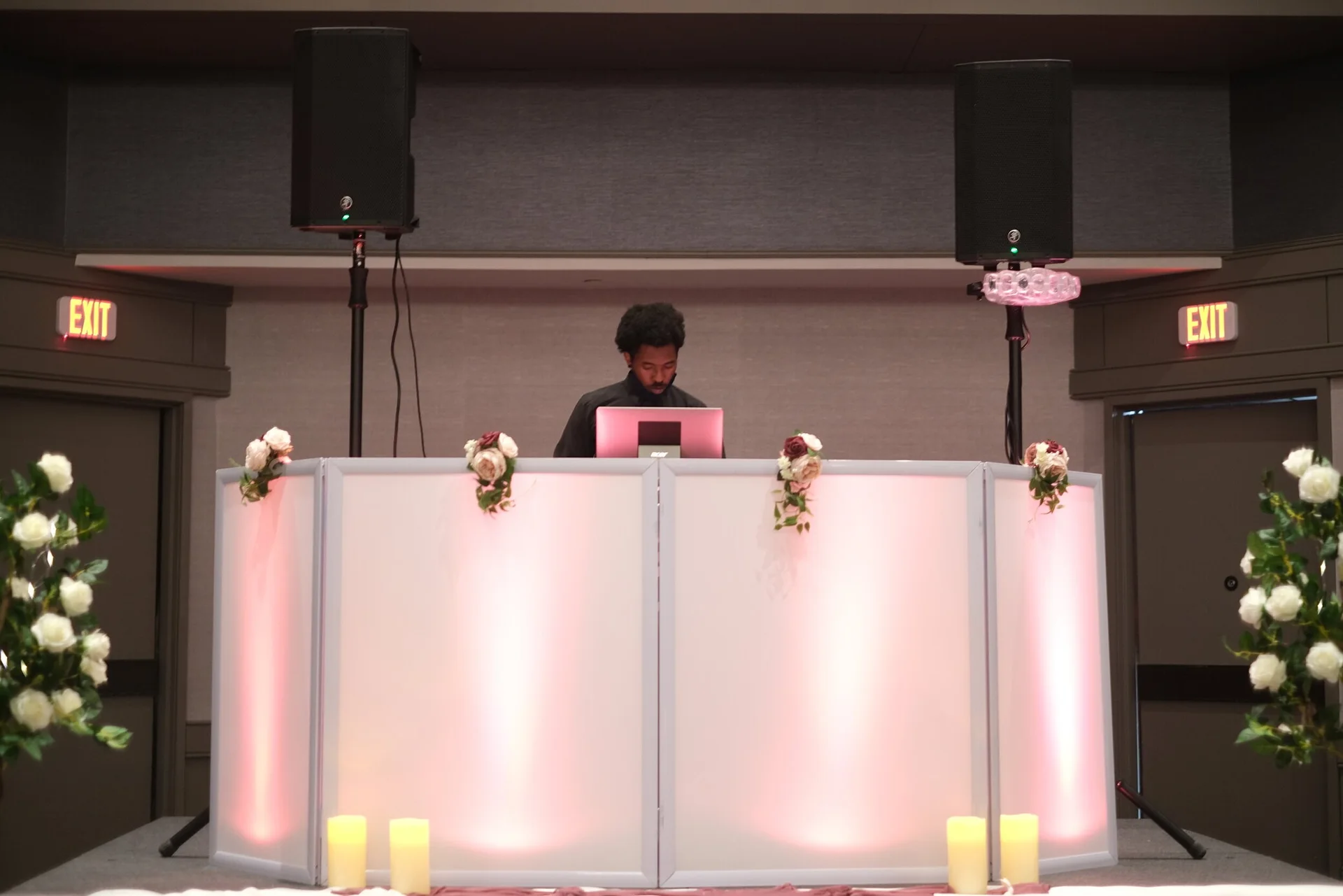
Adult Party Games That Aren’t Cringe
Let’s be honest: most adult party games make grown-ups want to hide in the kitchen. You know the ones — forced icebreakers, name tags, and that one person reading rules off a card while everybody stares at their shoes. But it doesn’t have to be that way. The right games keep a room laughing, get people mixing, and spike the energy right before you open the dance floor. Here’s how to pick games adults actually enjoy, and how a good DJ runs them so nobody feels put on the spot.
In this article
Why most party games flop
Here’s the real problem. Most games fail because they force people to perform before they’re warmed up. You can’t ask a room of adults to do trust falls at 7 p.m. when half of them just met. So the game feels like homework, and the energy dips instead of climbing.
Good adult party games do the opposite. They lower the pressure, give people an excuse to talk, and reward a little friendly competition. The best ones work even for guests who swear they “don’t do games.” That’s the whole trick — make it feel like fun that happened to them, not a task you handed out.
Another thing folks get wrong: they treat games as the main event. They’re not. Games are the warm-up act. They loosen the room so that when the music kicks up, people are already smiling and ready to move. Think of them as a bridge, not a destination.
There’s also a comfort factor most hosts overlook. Adults have their guard up at a party, especially when the crowd is a mix of old friends and new faces. A good game gives everyone a shared, low-stakes thing to do with their hands and their attention. Once people have laughed together once, the whole room relaxes — and that first laugh is worth more than any decoration you could buy.
The best adult party games that land
So what actually works? After years of running parties, a handful of games win almost every time. They’re simple, they scale to any crowd, and they don’t need a rulebook.
The Guessing Wall. Before the party, ask guests to text you one weird fact about themselves. During the night, read them out and let the room guess who. It gets people laughing and learning something new about each other. No standing, no spotlight — just clever fun.
Table Trivia. Break the room into teams by table and run five quick rounds between courses. Keep the questions light: movies, music, local Ann Arbor stuff, a little history. A tiny prize for the winning table makes grown adults surprisingly competitive.
The Prize Grab. Tape a number under a few random chairs. Every so often, call a number and that guest wins a small prize. It costs almost nothing, and it keeps people paying attention all night. Simple always beats complicated.
Notice the pattern? None of these single anyone out. They pull the whole room in at once, which is exactly why they don’t feel cringe. According to The Knot’s reception games guide, the games people remember are the ones that include everyone without demanding a solo moment.
Games that use music (the crowd favorites)
Now for my favorites, because I’m a DJ — the music games. These are gold because the beat does half the work of building energy for you.
Name That Tune. I play the first three seconds of a song and tables race to shout the title. Mix decades so every generation gets a win. Watch a quiet uncle light up when the ’80s hit he loves comes on. That’s the magic.
Musical Chairs, grown-up edition. Yes, really. Adults think it’s silly right up until the music stops and two cousins are wrestling for a seat. It’s fast, it’s loud, and it’s over before anyone gets self-conscious.
The Dance-Off Bridge. This one’s less a game and more a spark. I call two volunteers to trade quick dance moves, the crowd cheers a winner, and then I roll straight into a floor-filler. Suddenly everyone’s already up, and the party’s on.
The best party game isn’t really a game — it’s an excuse to get people smiling and standing right before the first big song drops.
That last point matters. A music game is the perfect launchpad into dancing. You never want a hard stop between “game time” and “dance time.” You want one to flow into the other, so the room never cools off.
Key takeaway: The games that never feel cringe include the whole room at once, avoid solo spotlights, and flow straight into music. Keep them short, keep the prizes small, and let the fun build toward the dance floor.
When to play games during the night
Timing is everything. Play a game too early and the room’s still filling up. Play it too late and you’re interrupting a packed floor — the worst mistake you can make.
Here’s the rhythm I like. One light game during dinner while people are seated and eating. That’s your icebreaker window. Then a music-based game right after plates clear, to bridge into open dancing. That’s it. Two games, well-placed, beat six games crammed in. Party-planning pros at Zola’s expert advice hub say the same thing — a couple of well-timed moments beat a packed schedule every time.
Here’s what a lot of hosts miss: you don’t need to schedule games to the minute. You need to read the room. If the energy’s already high, skip the game and ride the wave. If it’s dragging, that’s your cue to drop one in. A live DJ can feel that shift and adjust on the spot — a phone playlist can’t.
How a DJ keeps games from getting awkward
This is where a pro earns their keep. The difference between a game that pops and a game that dies is usually the person running it. A confident host with a mic makes people feel safe to play along. A nervous one makes everyone squirm.
When I run adult party games, I keep the mic work tight and warm. I explain the rules in one sentence, keep a beat going underneath so there’s never dead air, and I never, ever force a shy guest into the spotlight. If someone waves me off, I move right along with a smile. That respect is exactly why people relax and join in.
I also read faces. If a game’s landing, I stretch it a beat. If it’s fizzling, I wrap it fast and slide into the next song like it was always the plan. Nobody notices the pivot — they just notice they’re having a great time. If you want the full picture of how I run parties and private events, that page breaks down the sound, the mic, and the flow.
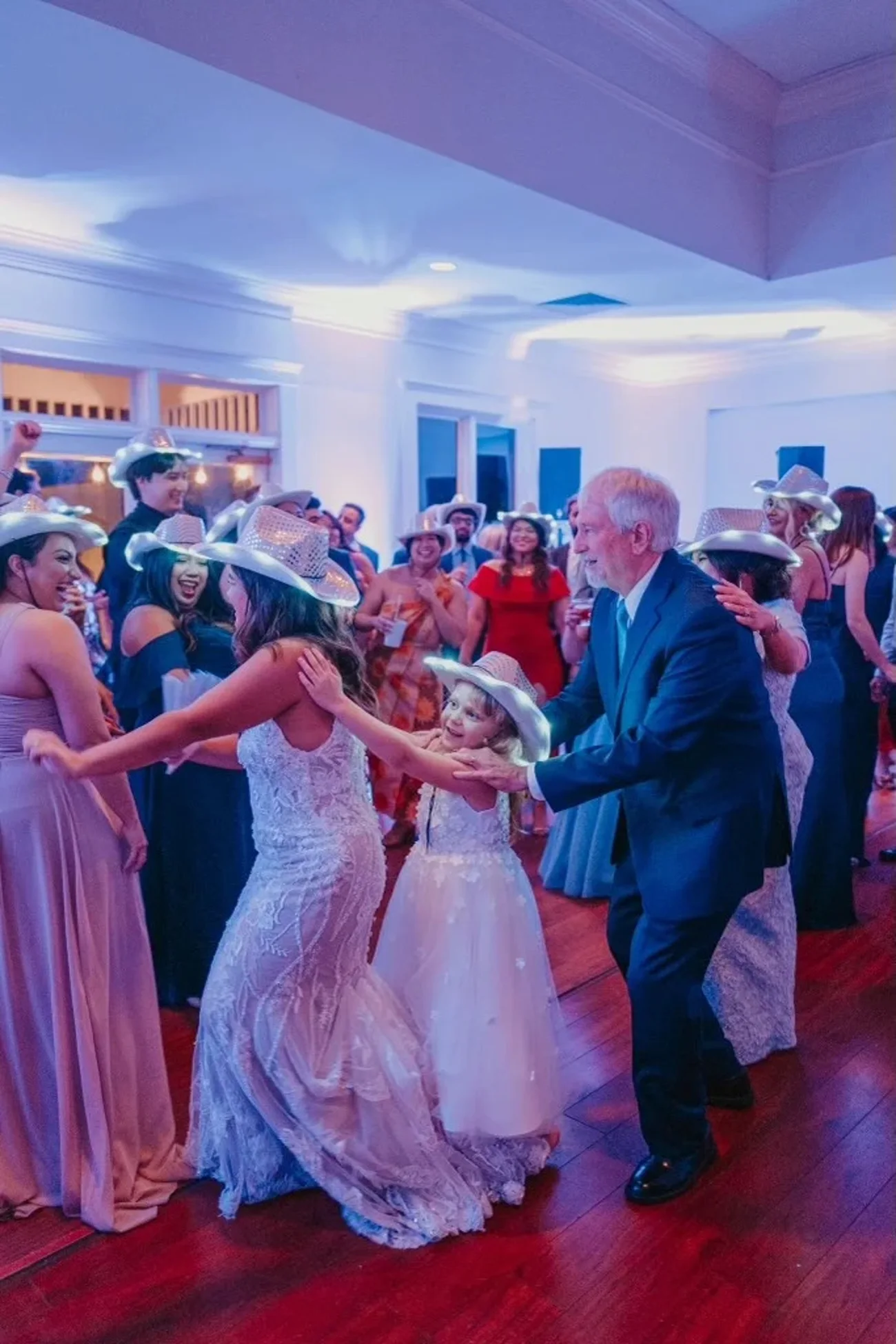
Games to skip (and easy swaps)
Some games just don’t belong at a grown-up party. Anything that forces long solo performances, embarrasses people, or drags past a few minutes is a hard no. Charades can work in a small living room, but it dies in a big room where the back tables can’t see.
Skip the ones that need a lot of setup or props, too. If you’re handing out sheets and pens and explaining a scoring system, you’ve already lost the room. Swap it for something you can run with just a mic and a beat.
Another swap: instead of a game that shames the loser, run one where everyone wins something small. Positive energy keeps people playing. Anything that risks a guest feeling foolish will make the rest go quiet. When in doubt, choose the option that lifts the room, not the one that puts one person on the hot seat.
Watch the length, too. Even a great game overstays its welcome if you run round after round. Two or three quick rounds and you’re out — leave people wanting a little more instead of checking the clock. The same goes for prizes: keep them small and fun, like a gift card or a silly trophy. Nobody needs a grand prize; they just need a reason to smile and a bragging right for the group chat.
Planning it for your Ann Arbor party
So how do you pull this together for your own night? Start with your crowd. A 40th birthday with old college friends wants different games than a company mixer. Match the vibe, and you’re halfway there.
Then keep it simple. Pick two games, line up small prizes, and let your DJ handle the rest live. Whether you’re celebrating in downtown Ann Arbor, out near Kerrytown, or in a backyard off Washtenaw, the same rules apply: include everyone, keep it short, and build toward the dance floor. For more ideas across every kind of celebration, browse more party tips whenever you like — and if you want to see how I approach weddings too, my Detroit wedding guide covers the whole night start to finish.
At the end of the day, the goal isn’t the games themselves. It’s a room full of people who forgot to check their phones because they were too busy laughing. That’s the win. If you’d like a hand making it happen, you can meet your DJ and we’ll build a plan around your crowd. Real fun doesn’t need a rulebook — just the right person steering the room.